Soil fertility is the foundation of agricultural productivity, yet it is steadily declining in many parts of the world. Continuous cropping, erosion, nutrient depletion, and poor land management have caused soils to lose their natural ability to support healthy plant growth. This gradual decline threatens food security and long-term sustainability. However, through conservation and improved soil-management practices, it is possible to restore fertility, protect natural resources, and ensure resilient cropping systems for the future.
Table of Contents
Understanding Soil Fertility Decline
Soil fertility refers to the soil’s capacity to provide essential nutrients, moisture, and biological support for crop growth. Over time, several human and environmental factors contribute to its degradation. Intensive farming without proper nutrient replenishment removes organic matter and essential elements like nitrogen, phosphorus, and potassium from the soil.
Erosion—caused by wind and water—further accelerates this process by washing away the fertile topsoil, which contains the highest concentration of nutrients and microorganisms. When this layer is lost, soil structure weakens, water infiltration declines, and root growth becomes restricted. Additionally, excessive use of chemical fertilizers, poor crop rotations, and deforestation reduce biodiversity and soil organic carbon, further intensifying fertility loss.
Causes of Soil Degradation in Cropping Areas
The causes of soil fertility decline are often linked to unsustainable agricultural practices. Monocropping, for example, depletes specific nutrients since the same crop draws similar elements from the soil year after year. Over-irrigation can lead to salinization, while limited use of organic matter leaves the soil compacted and lifeless.
Climate change also plays a role by increasing the frequency of droughts and heavy rains, which affect soil moisture balance and promote erosion. In many developing regions, limited access to fertilizers, poor soil testing, and land fragmentation make it difficult for smallholder farmers to maintain soil fertility. Without corrective measures, crop yields continue to drop, and the land becomes less productive over time.
The Importance of Conservation Practices
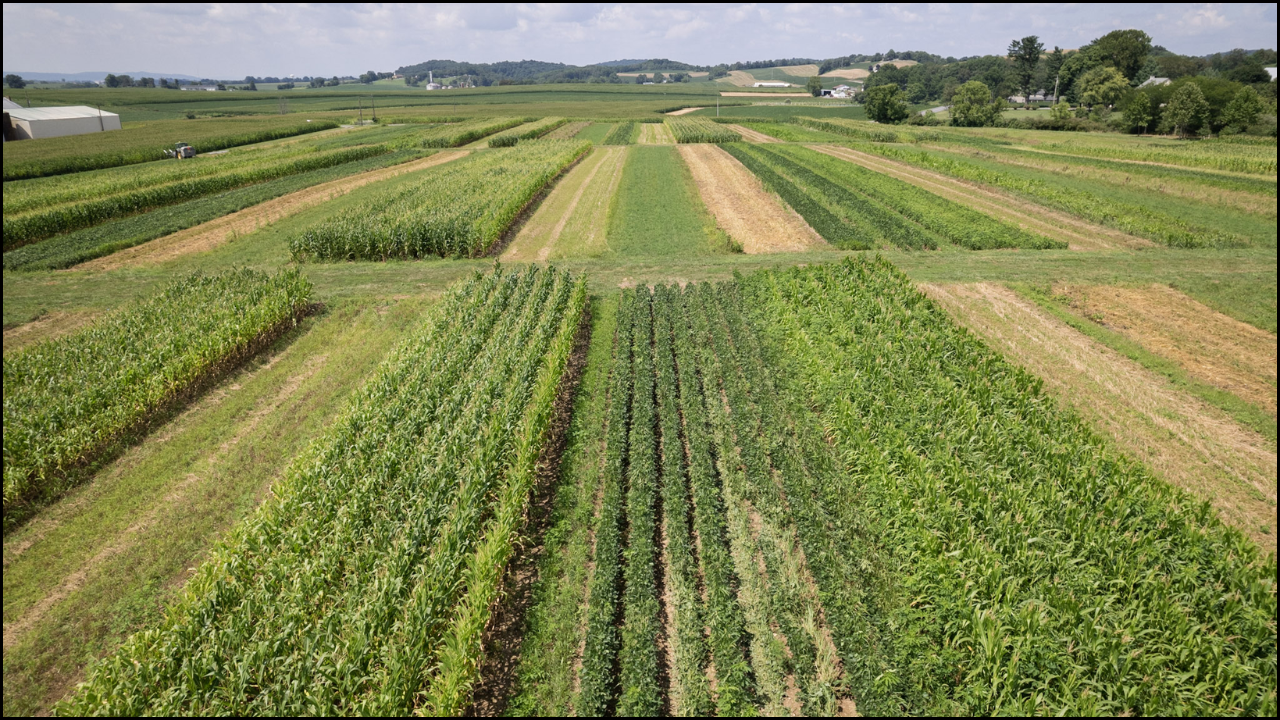
Conservation practices are key to reversing soil fertility decline. These are techniques designed to protect the soil from erosion, maintain organic matter, and enhance its biological activity. Practices such as contour farming, terracing, and cover cropping reduce soil loss and improve water retention.
By minimizing soil disturbance, conservation tillage helps preserve soil structure and reduce erosion. Leaving crop residues on the surface creates a protective cover, which prevents runoff and allows organic matter to return to the soil. Similarly, agroforestry systems, where trees and crops are grown together, promote biodiversity and nutrient cycling while stabilizing the land.
Restoring Soil Nutrients through Organic Matter
One of the most effective ways to rebuild soil fertility is by increasing organic matter. Compost, animal manure, and green manure add essential nutrients and improve the soil’s physical condition. These materials enhance microbial activity, which in turn boosts nutrient availability and soil aggregation.
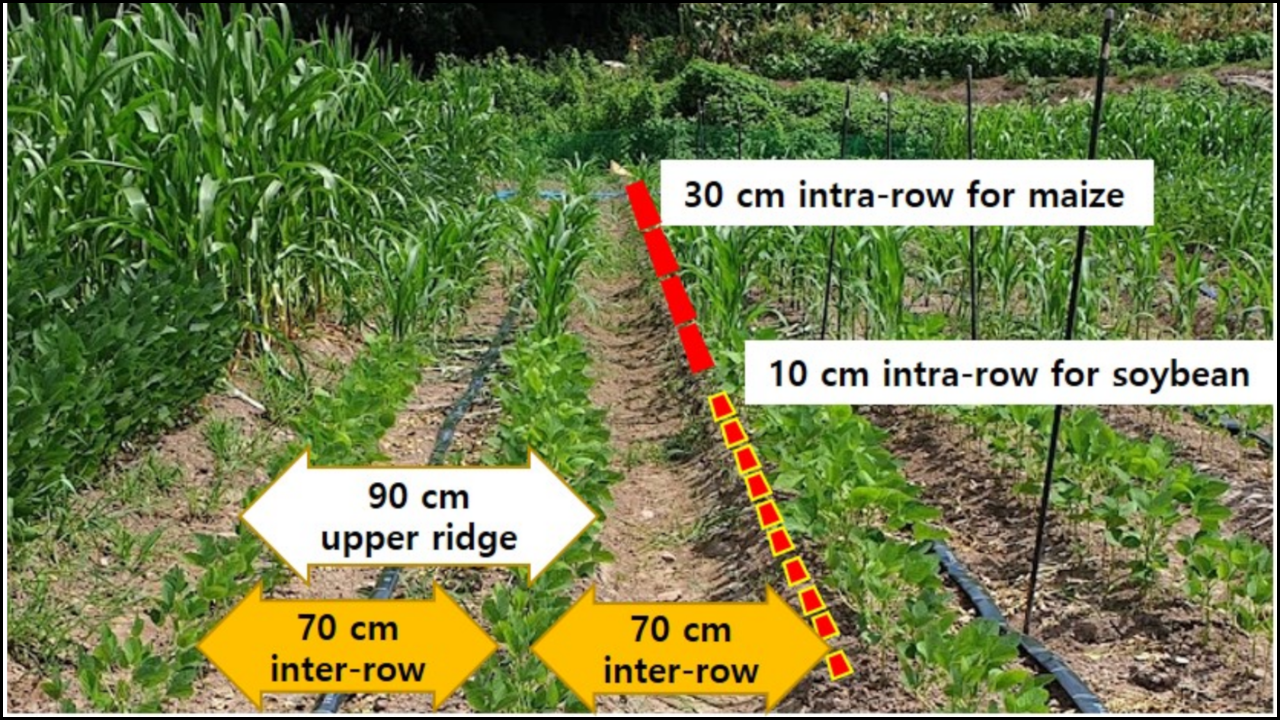
Legume crops, such as beans, peas, and groundnuts, play an important role by fixing atmospheric nitrogen into the soil. Integrating legumes in crop rotations or intercropping systems ensures a natural nutrient balance and reduces dependency on synthetic fertilizers.
Organic matter also helps soils retain moisture, making them more resilient during dry periods. Over time, soils enriched with organic inputs become more productive and better equipped to handle environmental stresses.
Managing Erosion and Water Runoff
Soil erosion is one of the main drivers of fertility loss, especially on sloped lands. Farmers can reduce erosion by adopting contour plowing, which aligns furrows along the natural shape of the land, slowing water flow and minimizing soil displacement. Building terraces and planting grass strips or hedgerows along field boundaries can further prevent runoff.
Maintaining ground cover—either through cover crops or crop residues—also helps protect the soil from the impact of raindrops and wind. In irrigated areas, efficient water management through drip or sprinkler systems can prevent waterlogging and salinity buildup.
Integrating Conservation and Fertility Management
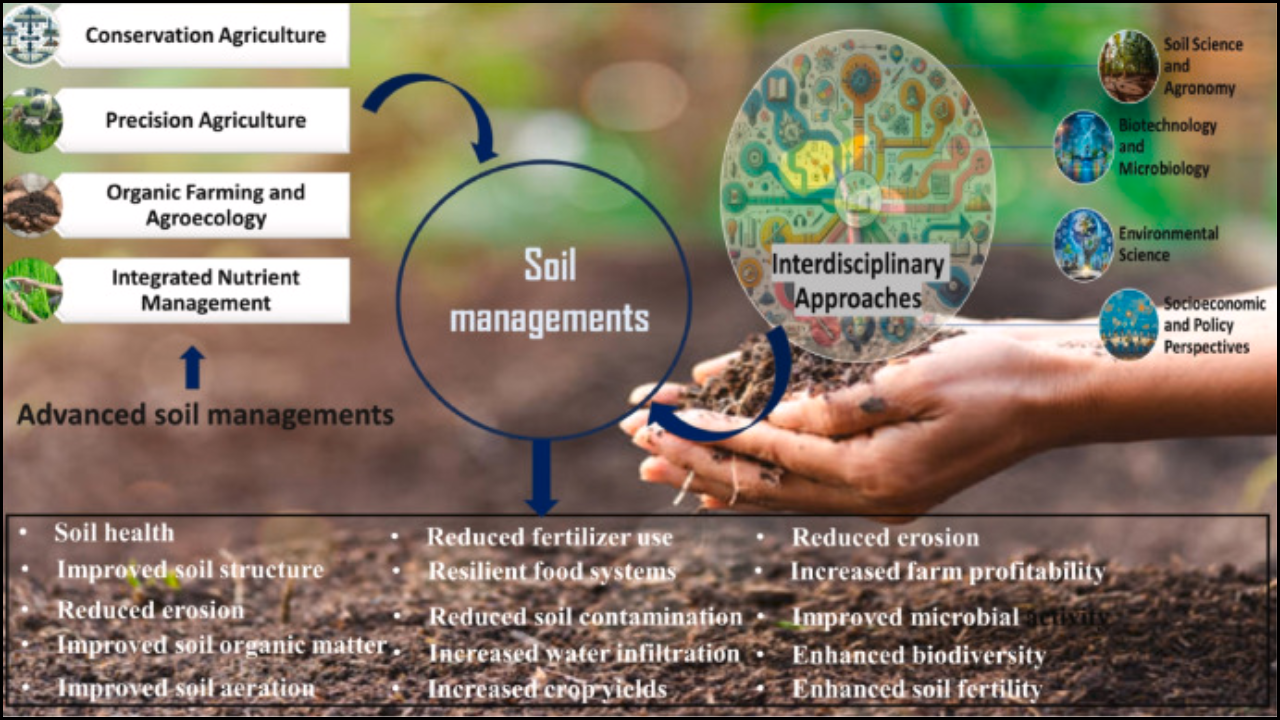
Sustainable soil management combines conservation practices with balanced nutrient use. Integrating organic and inorganic fertilizers ensures immediate nutrient availability while maintaining long-term soil health. Periodic soil testing helps determine nutrient deficiencies and guides precise fertilizer application.
Additionally, adopting crop rotation and diversification strategies enhances nutrient cycling and reduces pest and disease buildup. For example, rotating cereals with legumes replenishes nitrogen naturally, while alternating deep- and shallow-rooted crops improves soil structure and aeration.
The Role of Farmers and Policy Support
While farmers are central to implementing conservation practices, government policies and community programs play an equally important role. Awareness campaigns, training workshops, and access to soil conservation technologies can encourage farmers to adopt sustainable practices. Financial incentives and subsidies for organic amendments or erosion-control structures further motivate participation.
Long-term soil fertility restoration requires collaboration between researchers, farmers, and policymakers. By promoting conservation agriculture and resource-efficient farming, communities can secure both environmental and economic benefits.
Conclusion
The decline of soil fertility poses a major threat to agricultural productivity, but it is not irreversible. Conservation practices—when combined with responsible nutrient management—can rebuild soil health, reduce erosion, and sustain crop yields. By treating soil as a living system rather than an expendable resource, farmers can ensure food security for future generations and preserve the natural wealth of their land.
FAQs
Q1: What causes soil fertility decline?
Soil fertility declines due to erosion, nutrient depletion, and unsustainable farming practices.
Q2: How can conservation practices help?
They protect the soil from erosion, improve organic matter, and enhance long-term fertility.
Q3: Why is soil conservation important for farmers?
It ensures sustainable yields, reduces input costs, and maintains productive land for the future.