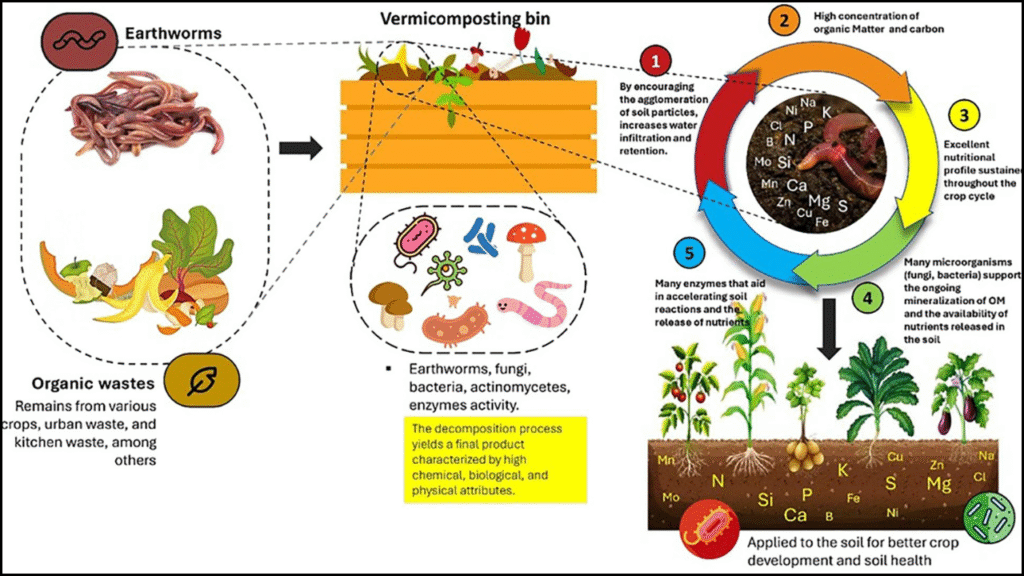
Modern agriculture faces the dual challenge of maintaining high crop productivity while preserving soil health for future generations. As global food demand rises, farmers and researchers are rethinking traditional fertilizer practices. A promising solution lies in the balanced use of both organic and inorganic fertilizers. This integrated approach enhances soil fertility, boosts yields, and contributes to long-term sustainability.
Table of Contents
The Need for Integration in Modern Farming
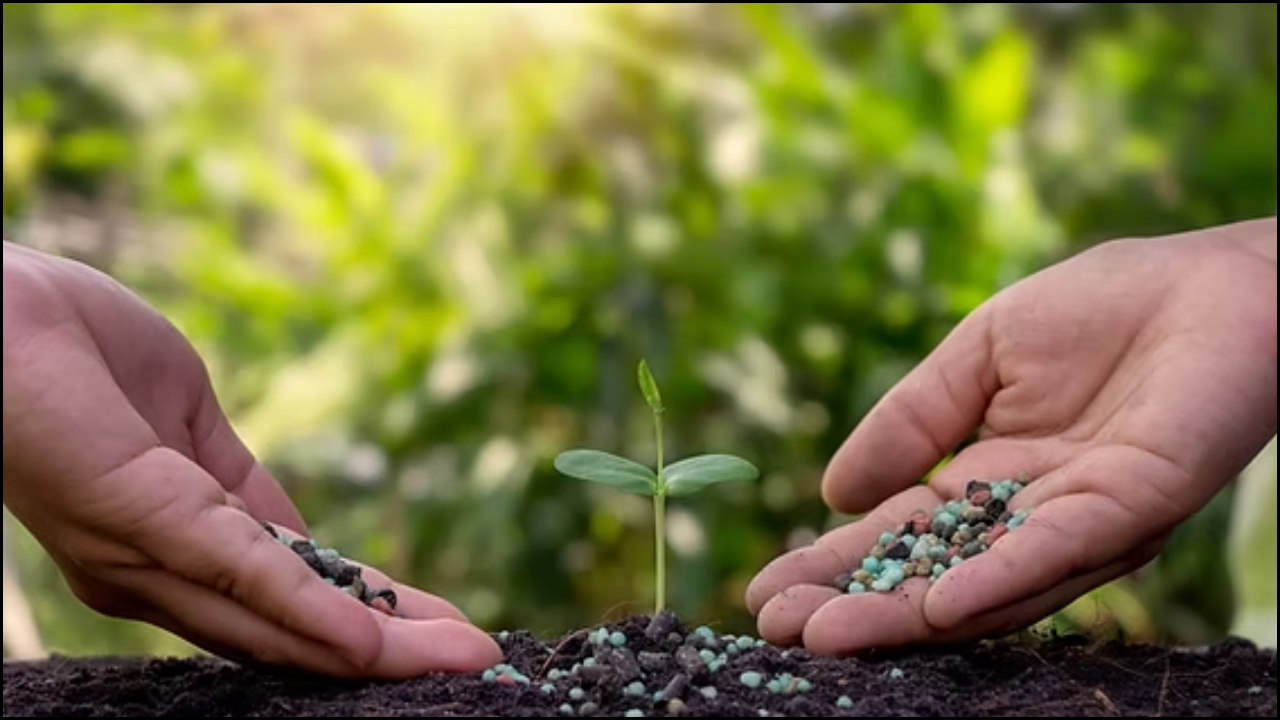
For decades, chemical fertilizers have been the mainstay of intensive farming. They supply essential nutrients like nitrogen, phosphorus, and potassium that plants need for rapid growth. However, over-reliance on these inputs often leads to soil degradation, reduced microbial activity, and environmental pollution through runoff.
On the other hand, organic fertilizers—such as compost, farmyard manure, or green manure—improve soil structure and increase water retention. Yet, their nutrient release is slower and may not always meet the immediate demands of high-yield crops. Integrating both types of fertilizers helps overcome these limitations, combining the quick nutrient availability of inorganic sources with the long-term soil-building benefits of organic matter.
How the Integrated System Works
The integrated nutrient management (INM) approach is based on the principle that balanced nutrition supports both the crop and the soil ecosystem. Organic inputs enhance the soil’s capacity to hold nutrients, while inorganic fertilizers ensure that crops receive precise amounts of essential elements during key growth stages.
For instance, a farmer might apply organic compost before planting to improve soil texture and microbial life, then supplement with measured doses of mineral fertilizers during growth to ensure steady nutrient supply. Over time, this balance maintains soil fertility, minimizes waste, and improves yield stability, even under challenging conditions like drought or nutrient-poor soils.
Case Study: Integrated Fertilizer Use in Cereal Crops
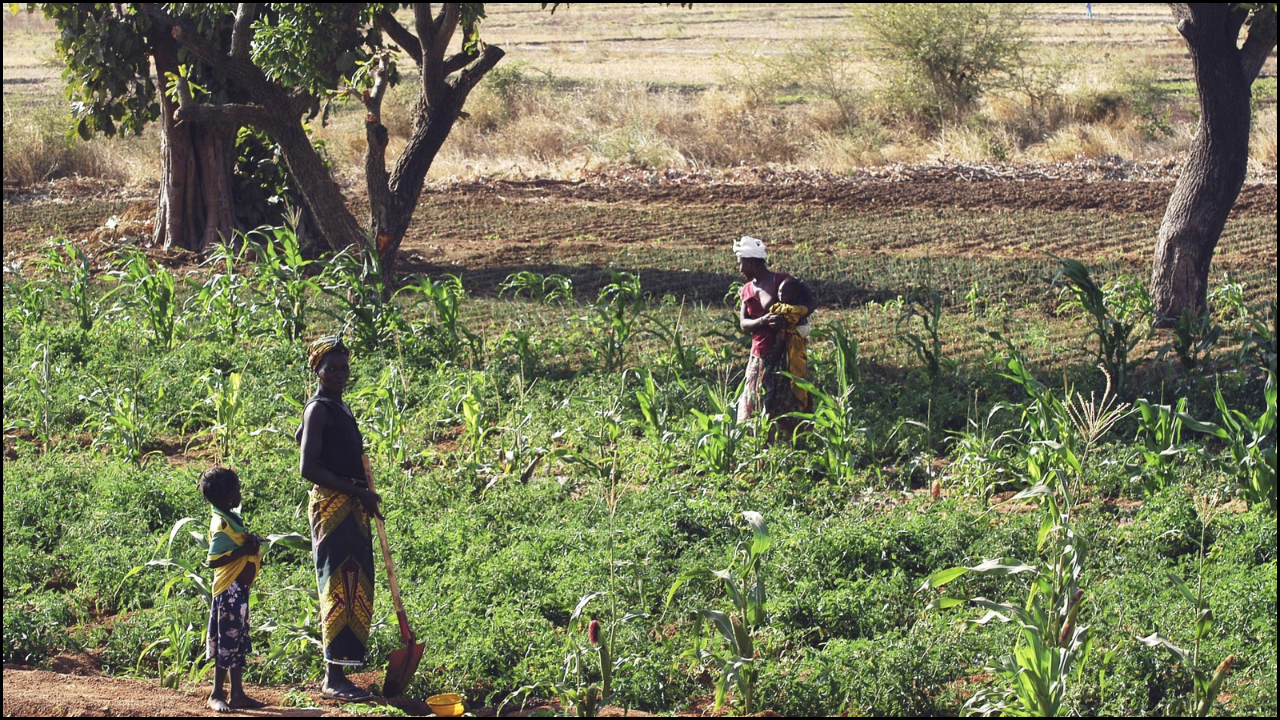
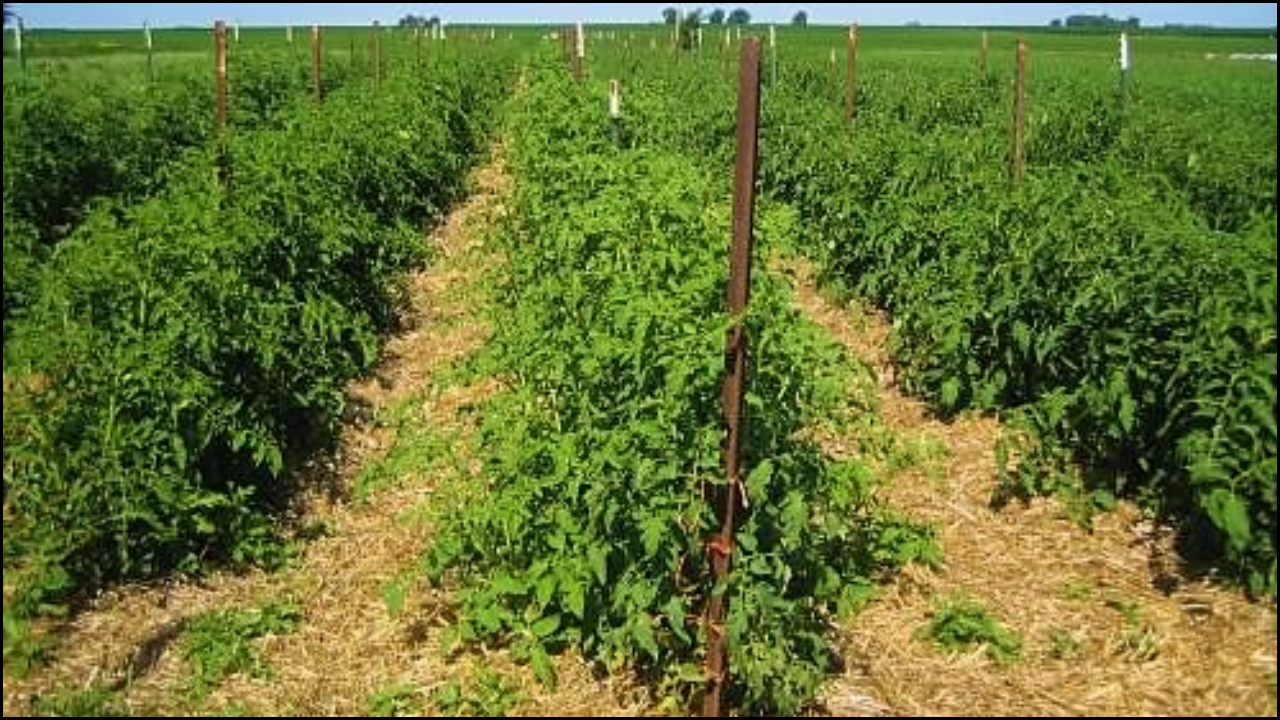
A study conducted on maize and rice farms demonstrated that combining 50% organic and 50% inorganic fertilizers significantly improved crop performance. Farmers observed healthier root systems, better nutrient absorption, and higher yields compared to those who relied solely on chemical fertilizers.
Soil analysis from the same study showed increased organic carbon content and higher microbial activity, which are key indicators of soil health. Additionally, the practice reduced fertilizer runoff, meaning fewer nutrients were lost to water bodies—a vital step toward reducing agricultural pollution.
Benefits Beyond Yield
The benefits of integrated fertilizer use go far beyond short-term productivity. Regular application of organic matter increases soil biodiversity and reduces dependence on costly chemical inputs. It also enhances the soil’s resilience to extreme weather, helping farmers maintain production during floods or dry spells.
Moreover, integrated management practices align with global sustainability goals, such as those promoted by the Food and Agriculture Organization (FAO). By reducing chemical use and promoting natural soil enrichment, farmers contribute to both food security and environmental protection.
Challenges and Considerations
While the advantages are clear, implementing an integrated fertilizer system requires knowledge, access to resources, and careful management. Farmers must understand nutrient cycles, soil conditions, and crop needs to determine the correct ratio of organic to inorganic inputs. In some regions, organic materials are scarce or costly to transport. Training and extension services can help bridge this gap by guiding farmers in compost preparation, soil testing, and efficient fertilizer use.
Government policies and agricultural research centers can further support this transition by offering subsidies for organic inputs and promoting farmer education. When combined with good irrigation and pest management practices, integrated fertilization becomes part of a larger framework for sustainable farming.
Future Directions for Sustainable Agriculture
The integration of organic and inorganic fertilizers represents a shift from input-intensive agriculture to knowledge-intensive farming. As climate change alters rainfall patterns and soil fertility, this balanced method ensures stability and adaptability. Ongoing research continues to refine best practices for different crops, climates, and soil types, ensuring that farmers can apply the approach effectively.
In the long term, integrated nutrient management contributes not only to higher yields but also to food safety, soil conservation, and ecological balance. It demonstrates that sustainability in agriculture does not mean sacrificing productivity—rather, it means finding harmony between human needs and natural systems.
FAQs
Q1: What is the main advantage of integrating organic and inorganic fertilizers?
It enhances both immediate nutrient availability and long-term soil health, leading to sustainable crop yields.
Q2: How does this approach benefit the environment?
It reduces nutrient runoff, prevents soil degradation, and promotes biodiversity in the soil ecosystem.
Q3: Can integrated fertilization be applied to all crops?
Yes, but the ratio of organic to inorganic inputs should be adjusted based on crop type, soil condition, and local climate.