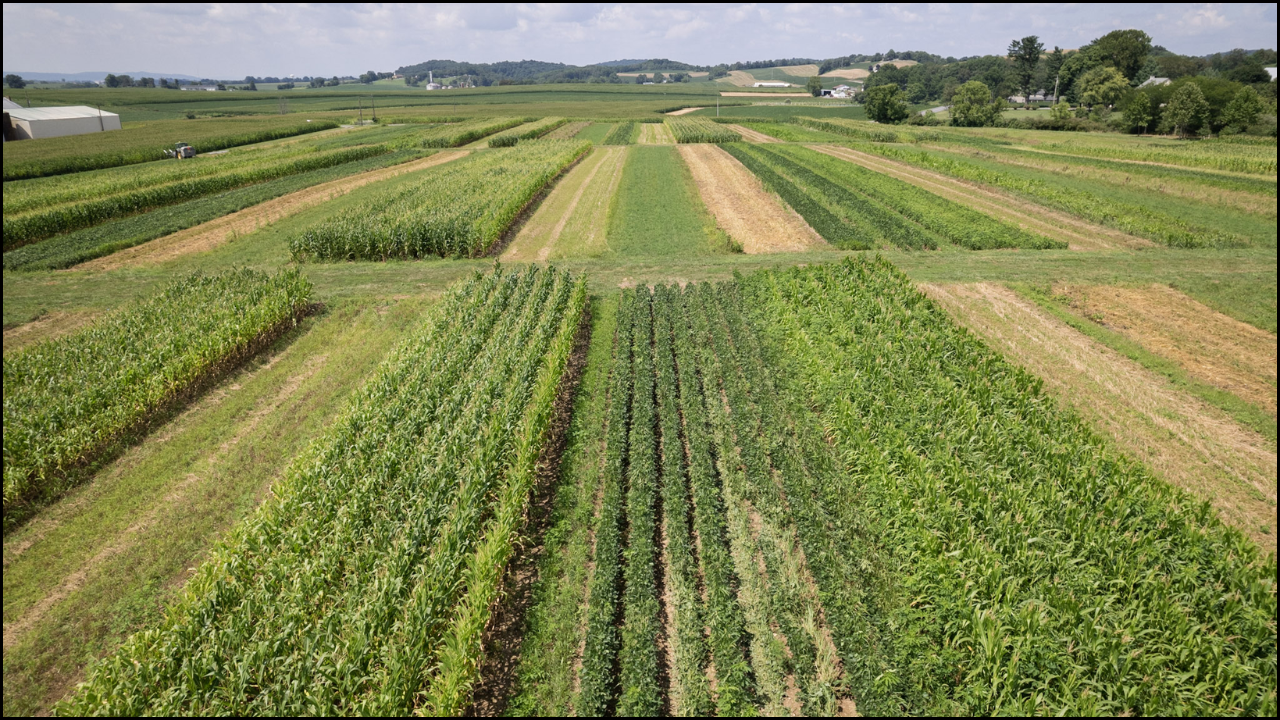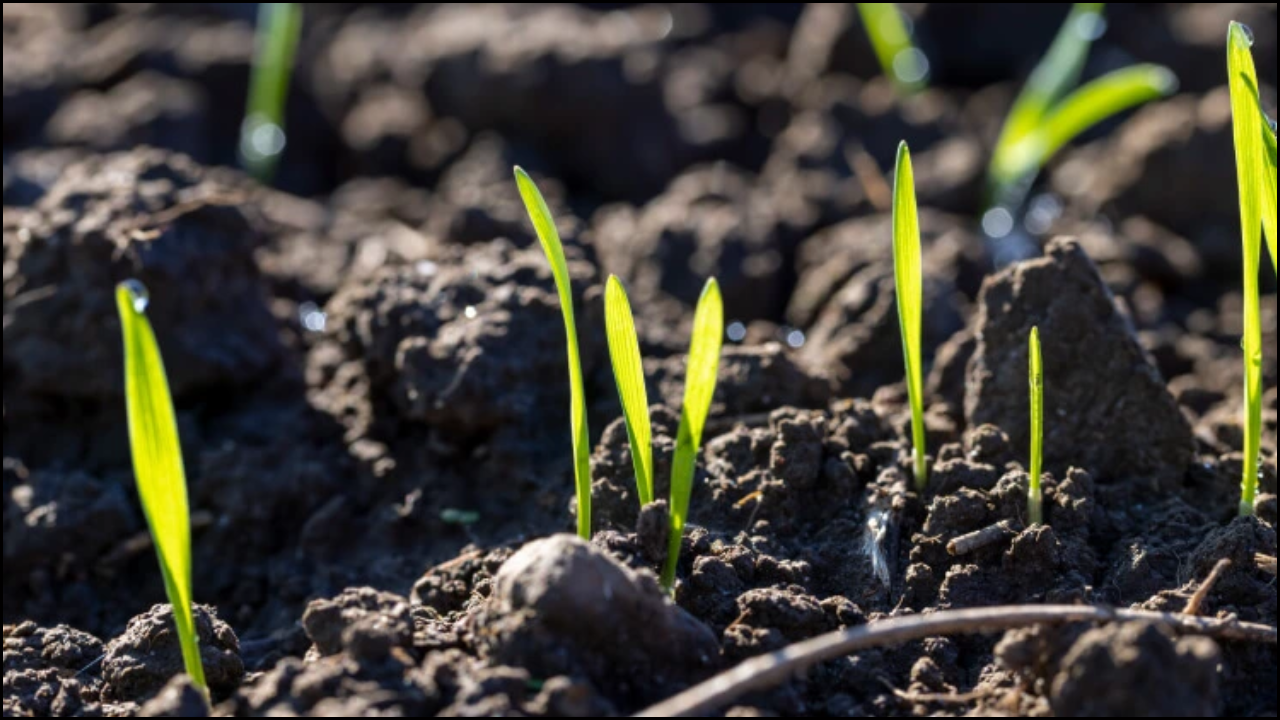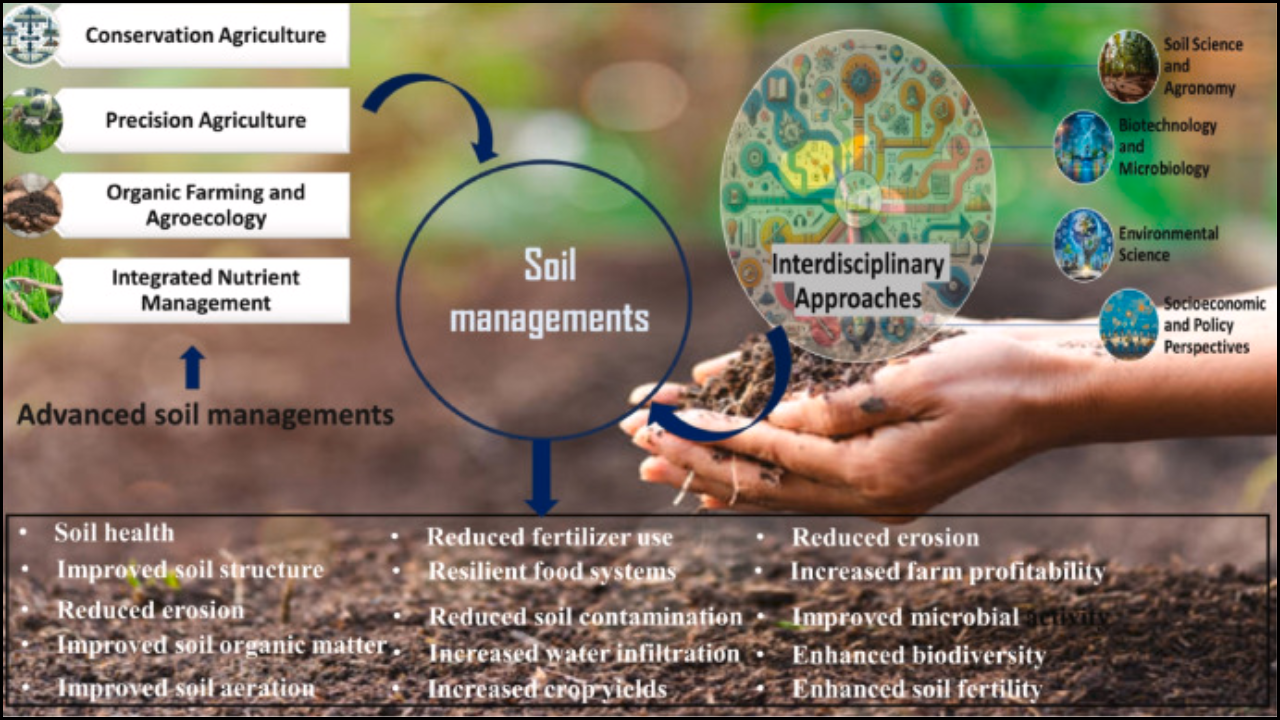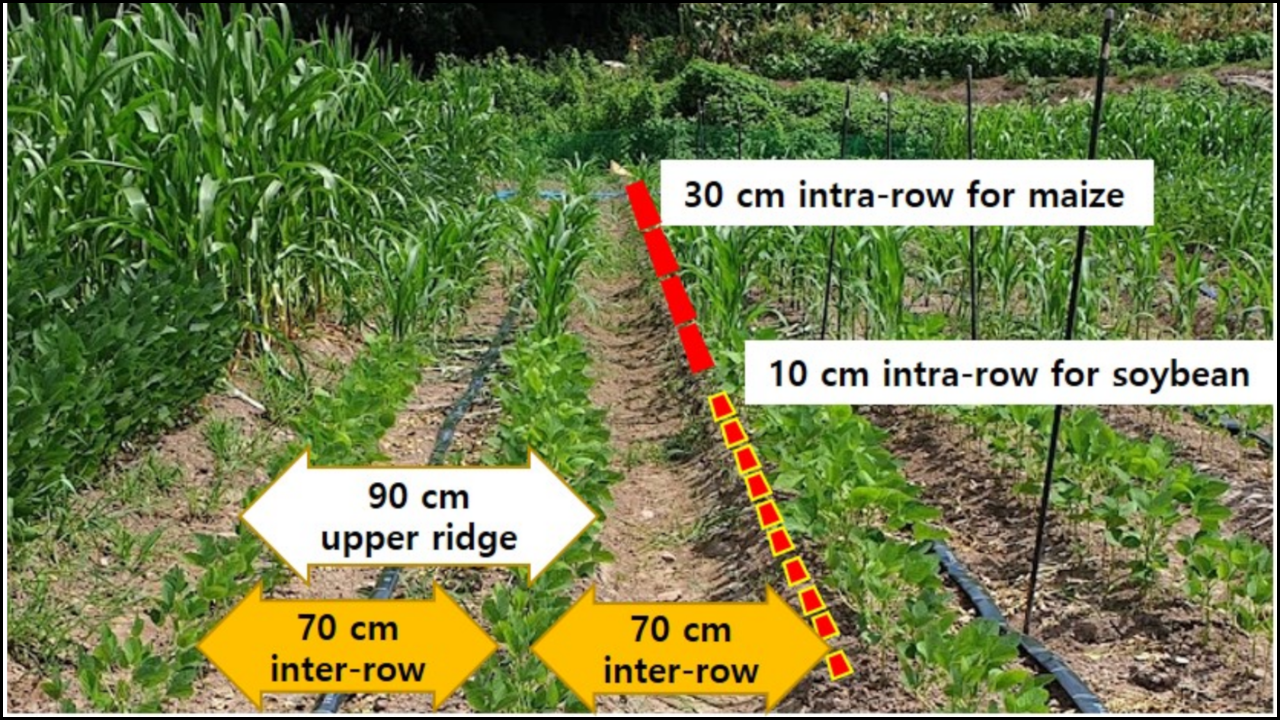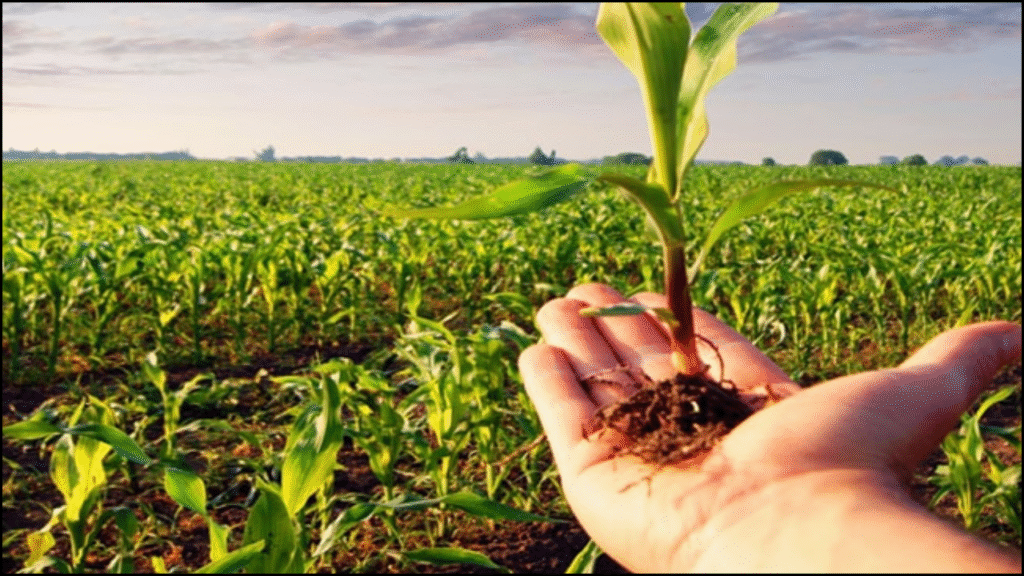
Forage crop productivity is a critical factor in maintaining livestock production and ensuring sustainable agricultural systems. Fertilization plays a central role in determining the growth, yield, and nutritional quality of forages. Proper nutrient management enhances biomass production, promotes root development, and improves forage palatability. However, imbalanced or excessive fertilization can lead to soil degradation and environmental pollution. Understanding the influence of different fertilizers on forage crops helps in optimizing productivity while maintaining soil health.
Table of Contents
Importance Of Fertilization In Forage Production
- Fertilization provides essential nutrients such as nitrogen (N), phosphorus (P), and potassium (K) that drive vegetative growth and biomass accumulation.
- Balanced nutrient application enhances leaf area, chlorophyll content, and photosynthetic activity.
- Proper fertilization ensures sustained production over multiple cuts or grazing cycles.
- Fertilizer management influences both the quantity (yield) and quality (protein and digestibility) of forage.
- Improved soil fertility through fertilization supports long-term agricultural sustainability.
Major Nutrients Required By Forage Crops
| Nutrient | Role In Forage Growth | Deficiency Symptoms |
|---|---|---|
| Nitrogen (N) | Promotes vegetative growth and protein formation. | Yellowing of older leaves, stunted growth. |
| Phosphorus (P) | Enhances root growth and energy transfer. | Purplish discoloration of leaves, poor root system. |
| Potassium (K) | Improves water regulation and disease resistance. | Leaf scorching, weak stems. |
| Sulfur (S) | Aids in protein synthesis and chlorophyll formation. | Pale green leaves, low crude protein. |
| Calcium (Ca) | Strengthens cell walls and root development. | Tip burn in leaves, weak stems. |
| Magnesium (Mg) | Component of chlorophyll; essential for photosynthesis. | Interveinal chlorosis in older leaves. |
| Micronutrients (Fe, Zn, Mn, Cu, B) | Support enzyme activation and metabolic functions. | Reduced growth and nutrient imbalances. |
Role Of Nitrogen In Forage Productivity
- Nitrogen is the most important nutrient for forage crops as it directly influences biomass accumulation and crude protein content.
- Nitrogen application promotes rapid regrowth after cutting or grazing.
- It improves leaf-to-stem ratio, increasing digestibility and feed efficiency.
- For grasses like Napier, Guinea, and Oats, nitrogen fertilization can increase yield by up to 40–60%.
- Leguminous forages like Lucerne and Clover require less nitrogen due to biological nitrogen fixation.
Phosphorus And Potassium In Forage Development
- Phosphorus supports root growth, early plant vigor, and energy transfer, particularly crucial for perennial forages.
- Potassium enhances drought resistance and improves carbohydrate translocation to roots and stems.
- Adequate K levels contribute to better persistence and regrowth in multi-cut forages.
- Combined P and K application leads to higher yield stability across different seasons.
Effect Of Organic Fertilizers On Forage Crops
- Organic fertilizers such as farmyard manure (FYM), compost, and green manure improve soil structure and microbial activity.
- They release nutrients slowly, ensuring long-term fertility.
- Organic amendments increase soil moisture retention and reduce dependence on synthetic fertilizers.
- Integration of organic and inorganic fertilizers often yields better results than using either alone.
| Fertilizer Type | Nutrient Supply Pattern | Advantages | Limitations |
|---|---|---|---|
| Chemical Fertilizers | Quick nutrient release | Immediate growth response | Risk of leaching and soil degradation |
| Organic Fertilizers | Slow and steady release | Improves soil health | Lower nutrient concentration |
| Integrated Nutrient Management (INM) | Balanced and sustained supply | Enhances productivity and sustainability | Requires proper management knowledge |
Influence Of Fertilization On Different Forage Species
| Forage Crop | Recommended Fertilizer (N-P-K kg/ha) | Impact On Yield | Quality Improvement |
|---|---|---|---|
| Napier Grass | 200-100-100 | Increases green fodder yield by 50% | Enhances crude protein and fiber digestibility |
| Lucerne (Alfalfa) | 20-60-40 | Boosts root nodulation and regrowth | Improves nitrogen fixation and leaf quality |
| Oats | 100-60-40 | Enhances tillering and leaf area | Increases protein and soluble sugar content |
| Sorghum | 120-80-60 | Improves dry matter yield | Enhances drought tolerance and palatability |
| Cowpea | 20-40-20 | Encourages early growth and seed yield | Increases nutrient density and mineral content |
Effects Of Over-Fertilization On Forage Systems
- Nitrate Accumulation: Excess nitrogen can lead to toxic nitrate buildup, harmful to livestock.
- Soil Acidification: Continuous use of ammonium-based fertilizers lowers soil pH.
- Nutrient Imbalance: Overuse of one nutrient can inhibit the uptake of others.
- Environmental Pollution: Nutrient runoff and leaching contaminate water bodies.
- Reduced Microbial Activity: Heavy chemical inputs can disrupt soil biology.
Sustainable Fertilization Practices For Forage Crops
- Soil Testing: Determines nutrient status and avoids overuse.
- Split Fertilizer Application: Enhances nutrient uptake efficiency.
- Use of Biofertilizers: Rhizobium, Azospirillum, and Azotobacter improve nitrogen fixation.
- Crop Rotation: Inclusion of legumes reduces the need for nitrogen fertilizers.
- Mulching And Organic Matter Addition: Improves moisture retention and nutrient recycling.
Integrated Nutrient Management (INM) Approach
INM combines organic manures, chemical fertilizers, and biofertilizers to sustain productivity.
| Component | Function | Example |
|---|---|---|
| Organic Manure | Provides slow-release nutrients | Compost, FYM |
| Inorganic Fertilizers | Quick nutrient correction | Urea, DAP, MOP |
| Biofertilizers | Enhance microbial activity | Rhizobium, PSB |
| Green Manure | Adds organic carbon | Sesbania, Dhaincha |
Impact Of Fertilization On Forage Quality Parameters
- Crude Protein (CP): Increases with nitrogen application, enhancing animal productivity.
- Neutral Detergent Fiber (NDF): Balanced fertilization maintains optimal fiber levels for digestibility.
- Ash Content: Indicates improved mineral composition.
- Dry Matter (DM) Yield: Directly proportional to nitrogen and phosphorus input.
- Palatability: Proper fertilization improves taste and intake by livestock.
Environmental Considerations In Fertilizer Use
- Use of Slow-Release Fertilizers: Reduces leaching losses and environmental contamination.
- Buffer Strips And Cover Crops: Prevent nutrient runoff.
- Precision Fertilization: Utilizes sensors or remote sensing to apply nutrients only where needed.
- Organic Recycling: Application of manure and compost reduces dependence on synthetic inputs.
Research Findings On Fertilization And Forage Yield
- Studies show that balanced NPK fertilization increases Napier grass yield from 60 to 120 tons/ha annually.
- Combined organic and inorganic fertilizer application improved lucerne protein content by 18%.
- Biofertilizer application in cowpea resulted in 25% higher dry matter yield compared to the control.
- Phosphorus application enhanced root development in perennial forages, increasing regrowth rate after cutting.
Challenges In Fertilizer Management For Forages
- Lack of awareness about nutrient requirements among smallholders.
- Limited access to soil testing and biofertilizers.
- Climatic variability affects nutrient uptake.
- The rising cost of fertilizers is reducing affordability.
Future Prospects
- Development of site-specific nutrient management tools for forage systems.
- Increased use of nano-fertilizers for efficient nutrient delivery.
- Promotion of organic and regenerative agriculture for sustainable forage production.
- Integration of remote sensing and AI technologies for precision nutrient management.
Parting Insights
Fertilization plays a pivotal role in determining forage crop productivity, quality, and sustainability. Proper management of nutrients enhances yield, improves soil health, and supports livestock performance. The integration of organic, inorganic, and biological fertilizers through balanced nutrient strategies ensures long-term productivity without environmental degradation. Sustainable fertilization practices, guided by soil testing and precision management, are essential to meet the growing demands of livestock feed while maintaining ecological harmony.