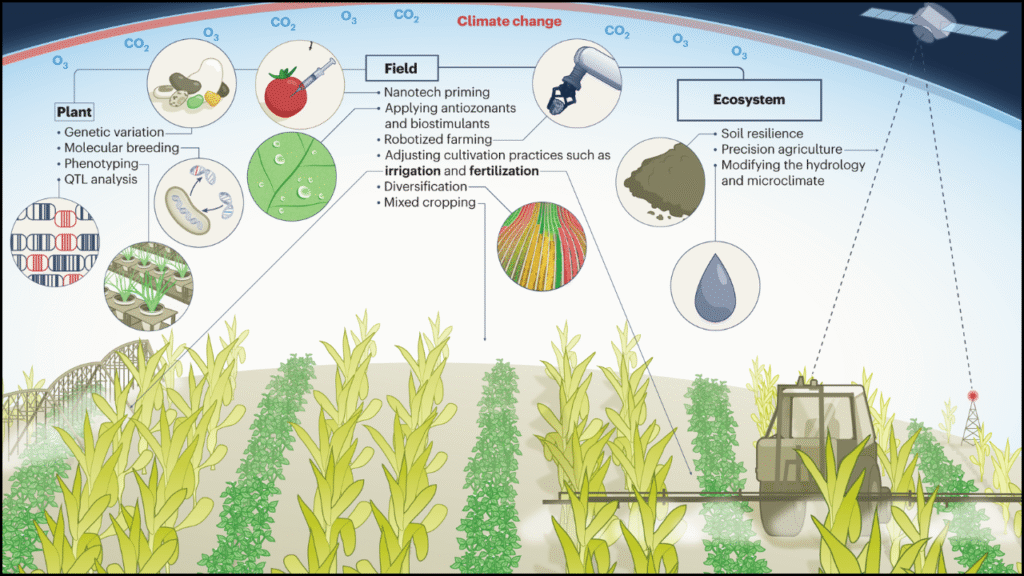
Climate change has emerged as one of the most significant global challenges affecting agricultural productivity, particularly the distribution and growth of forage crops. Forages form the foundation of livestock feeding systems, and their availability directly influences animal health and production. Variations in temperature, rainfall patterns, carbon dioxide concentration, and extreme weather events have started reshaping the geographical distribution, productivity, and quality of forage crops worldwide. Understanding these changes is essential for developing adaptive strategies to sustain livestock farming in changing environmental conditions.
Table of Contents
Overview Of Climate Change Effects On Agriculture
- Climate change involves long-term alterations in temperature, precipitation, and atmospheric composition.
- Agricultural systems, especially those dependent on natural rainfall, are highly sensitive to such changes.
- Forage crops, including grasses and legumes, show noticeable variations in growth, distribution, and nutrient composition due to climatic shifts.
- Both tropical and temperate regions face altered growing seasons and the emergence of new pest and disease pressures.
Key Climatic Factors Affecting Forage Crop Distribution
| Climatic Factor | Description | Effect On Forage Crops |
|---|---|---|
| Temperature Rise | Global warming increases average surface temperatures. | Shifts forage species toward cooler regions and higher altitudes. |
| Rainfall Variability | Changes in precipitation intensity and timing. | Alters forage productivity and seasonal availability. |
| Increased CO₂ Levels | Higher atmospheric carbon enhances photosynthesis in C3 plants. | Improves yield in some species but reduces nutritional quality. |
| Extreme Weather Events | Droughts, floods, and heatwaves disrupt growth cycles. | Reduces pasture persistence and increases soil degradation. |
| Soil Moisture Changes | Altered water retention capacity due to temperature shifts. | Affects seed germination and root development. |
Temperature Effects On Forage Distribution
- Rising temperatures extend the growing season in temperate zones but shorten it in tropical regions.
- Cool-season grasses like ryegrass and clover may shift northward or to higher altitudes.
- Warm-season species such as Bermuda grass and Napier grass may expand into regions that were previously too cool.
- Excessive heat stress leads to reduced leaf area and photosynthetic efficiency, affecting biomass yield.
- Increased night temperatures can accelerate plant respiration, reducing carbohydrate storage for regrowth.
Changes In Rainfall Patterns
- Irregular rainfall distribution causes uneven forage production throughout the year.
- Regions facing prolonged droughts experience declines in legume species, which are more moisture-sensitive.
- Heavy rainfall events lead to waterlogging, affecting root respiration and nutrient uptake.
- Rain-fed pastures in semi-arid areas face increased risk of desertification and reduced carrying capacity.
- Dependence on irrigation may rise in traditionally rainfed regions.
Influence Of Elevated Carbon Dioxide (CO₂)
- Elevated CO₂ promotes photosynthesis, especially in C3 species like alfalfa, clover, and ryegrass.
- Forage yield may initially increase due to enhanced carbon fixation.
- However, higher CO₂ levels dilute protein concentration and increase fiber content, reducing digestibility.
- The competitive balance between C3 and C4 species changes, favoring C4 grasses like sorghum and millet in warm climates.
- Altered nutrient composition affects livestock feeding efficiency and overall animal productivity.
Impact Of Drought And Water Stress
- Drought reduces biomass accumulation, leaf expansion, and tiller formation in grasses.
- Legume crops such as lucerne and clover are particularly vulnerable to water deficits.
- Deep-rooted species adapt better than shallow-rooted forages in prolonged dry periods.
- Drought-tolerant species like buffel grass and Stylosanthes become more dominant in arid zones.
- Forage seed production also declines, limiting future cultivation.
Effects Of Flooding And Excess Moisture
- Flooding events damage root systems and reduce oxygen availability in soil.
- Forage legumes, which are sensitive to poor drainage, experience higher mortality rates.
- Weedy and less nutritious species often invade flooded pastures.
- Long-term waterlogging changes soil microbial activity, affecting nitrogen fixation in legumes.
Shifts In Geographic Distribution Of Forage Species
| Region | Current Dominant Species | Expected Climate-Induced Change | Future Dominant Species |
|---|---|---|---|
| Tropical Zones | Napier grass, Guinea grass, Stylo | Higher temperatures and irregular rainfall | Drought-tolerant C4 grasses like buffel grass |
| Temperate Zones | Ryegrass, clover, alfalfa | Rising temperatures and longer summers | Warm-season grasses like Bermuda and sorghum |
| Semi-Arid Regions | Sudan grass, Cenchrus, Lucerne | Prolonged drought and poor soil fertility | Hardy species like Rhodes grass and Lablab |
| Mountain Areas | Timothy, fescue, white clover | Increased heat at lower altitudes | Shift of cool-season species to higher elevations |
Impact On Nutritional Quality Of Forage
- Elevated CO₂ leads to higher carbohydrate accumulation but lower protein content.
- Reduced nitrogen uptake from soil decreases the overall nutritive value.
- Higher temperatures increase lignin concentration, reducing digestibility.
- Decline in mineral content (Ca, Mg, Zn, Fe) observed in many species.
- Livestock require more feed to meet nutritional needs, raising production costs.
Alteration Of Growing Seasons
- Changes in temperature and precipitation modify the timing of forage germination and flowering.
- Earlier onset of spring favors early growth but may expose crops to late frost damage.
- Unpredictable seasonal patterns reduce synchronization between forage availability and livestock demand.
- Shorter winter dormancy periods impact cool-season perennials.
Pest And Disease Dynamics Under Climate Change
- Warmer conditions increase pest survival and reproduction rates.
- Expansion of insect pests like armyworms, aphids, and locusts into new regions.
- Fungal and bacterial diseases spread more rapidly under humid and warm conditions.
- Increased pest pressure further limits forage yield and longevity.
Socio-Economic Implications
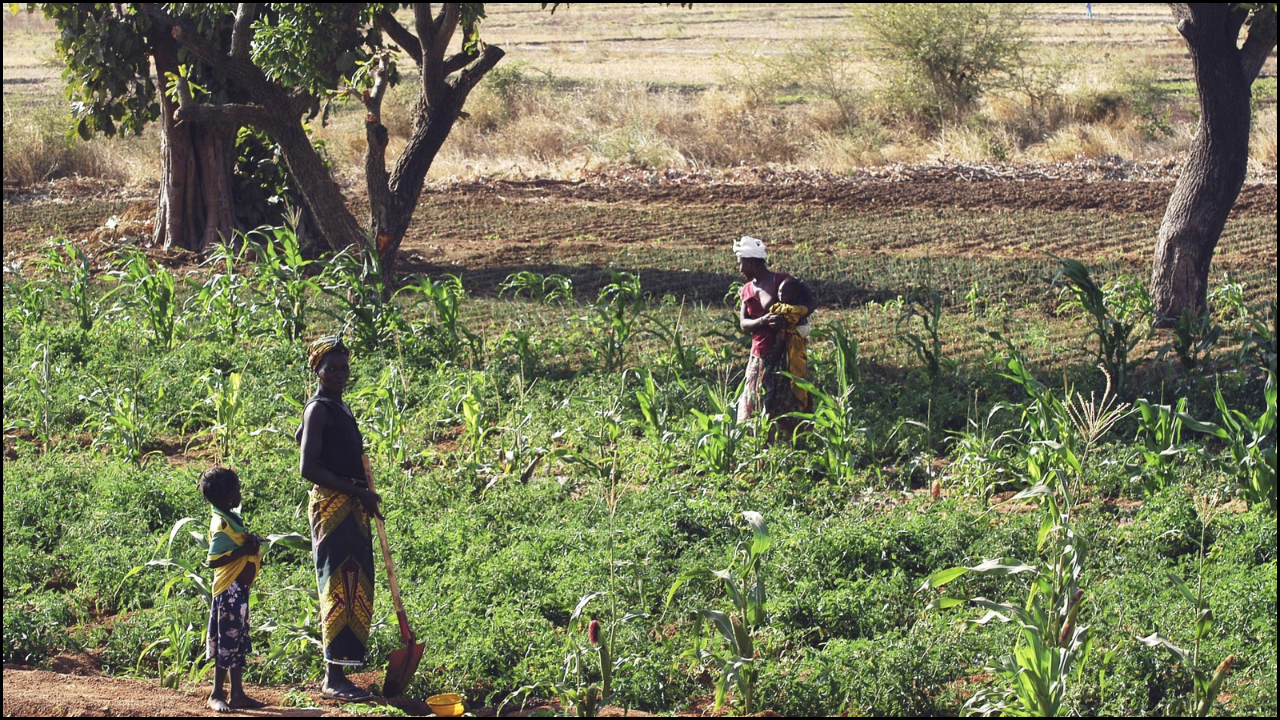
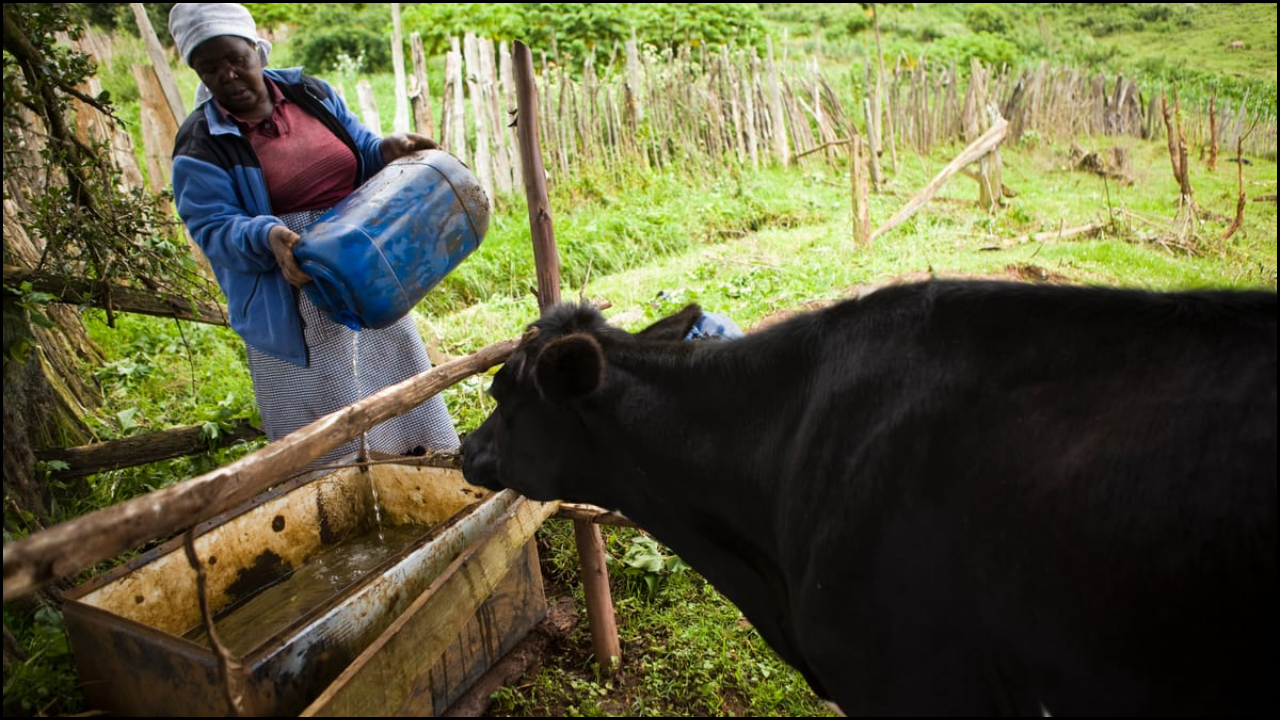
- Reduced forage availability affects smallholder livestock farmers the most.
- Feed shortages lead to lower milk, meat, and wool production.
- Pasture degradation increases dependency on costly commercial feeds.
- Shifts in crop zones require new infrastructure and extension support.
- Livelihoods of pastoral communities in arid and semi-arid regions become more vulnerable.
Adaptation Strategies For Sustainable Forage Production
| Adaptation Measure | Description | Expected Outcome |
|---|---|---|
| Introduction Of Drought-Tolerant Species | Replace susceptible species with hardy alternatives. | Stable yield under limited rainfall. |
| Improved Water Management | Use drip irrigation and rainwater harvesting. | Efficient use of scarce water resources. |
| Crop Rotation And Mixed Pastures | Combine grasses with legumes for better nutrient cycling. | Enhanced resilience and soil fertility. |
| Forage Conservation | Preserve surplus forage as hay or silage. | Feed supply was maintained during the drought. |
| Agroforestry Integration | Combine trees and forage crops. | Provides shade and reduces heat stress. |
| Use Of Climate Forecasting Tools | Predict rainfall and plan sowing dates. | Better risk management and planning. |
Role Of Research And Technology
- Development of climate-resilient forage varieties with improved drought, heat, and flood tolerance.
- Use of remote sensing and GIS mapping to monitor changes in pasture zones.
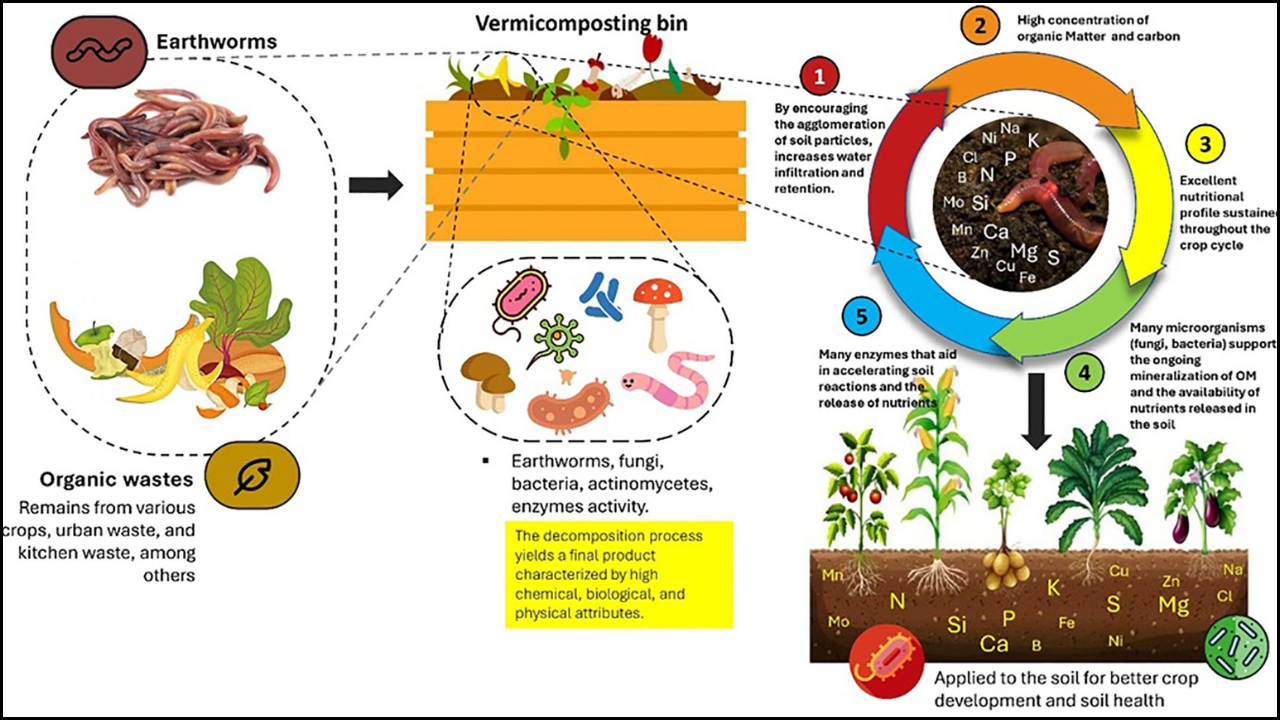
- Application of biofertilizers to enhance soil microbial activity under stress conditions.
- Genetic improvement for better nutrient-use efficiency and pest resistance.
- Collaboration between agricultural institutions to model future forage distribution scenarios.
Environmental Impacts Of Changing Forage Patterns
- Expansion of drought-tolerant but low-quality species reduces biodiversity.
- Decline in leguminous forages affects nitrogen cycling and soil fertility.
- Increased soil erosion and carbon loss in degraded pastures.
- Altered water balance and microclimate in formerly vegetated regions.
Future Outlook
- By mid-century, major forage belts may shift northward or to higher elevations.
- Global livestock systems will require localized adaptation strategies.
- Investment in climate-smart forage management will determine sustainability.
- Integration of renewable energy and precision irrigation systems will enhance resilience.
Wrapping Up
Climate change profoundly impacts the distribution, productivity, and quality of forage crops worldwide. Rising temperatures, fluctuating rainfall, and elevated CO₂ levels are reshaping where and how forage species grow. While some regions may benefit temporarily from extended growing seasons, others face severe declines in productivity and feed availability. Sustainable adaptation strategies—such as using drought-tolerant species, efficient water management, and technological innovations—are essential to maintain livestock production systems. Future resilience depends on proactive research, improved management practices, and policy support that address the changing dynamics of forage crop distribution under a warming climate.