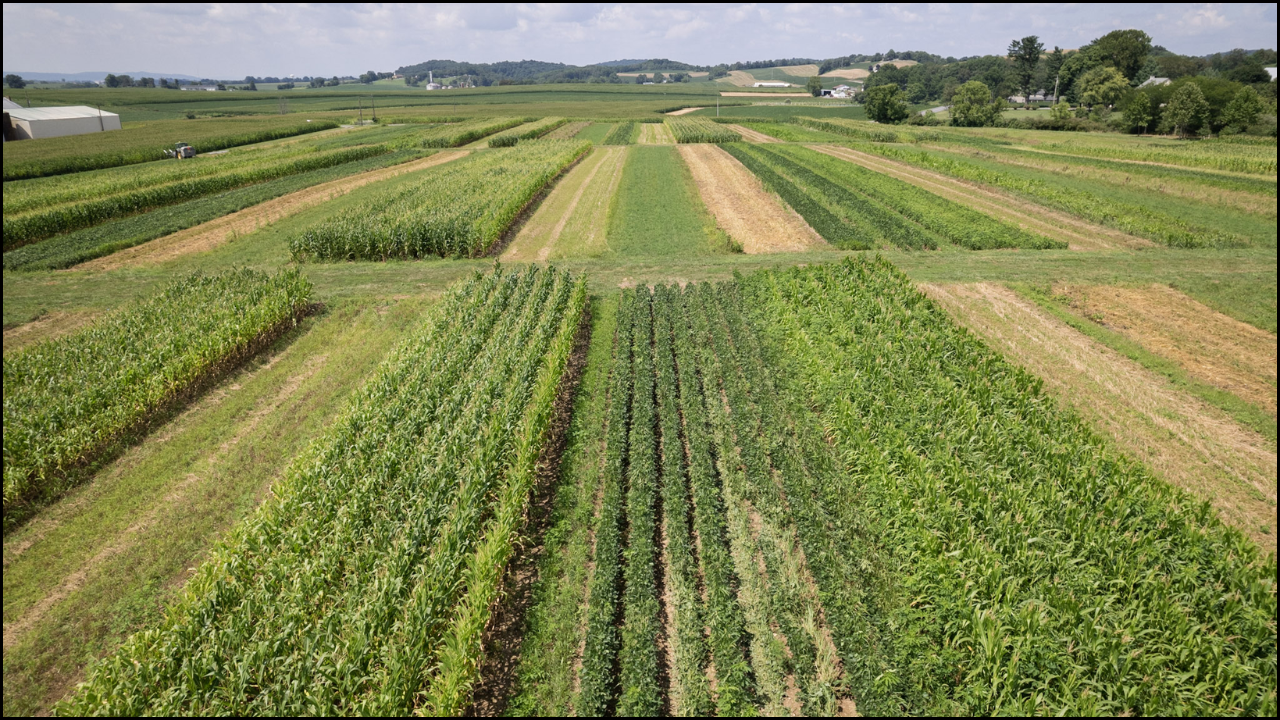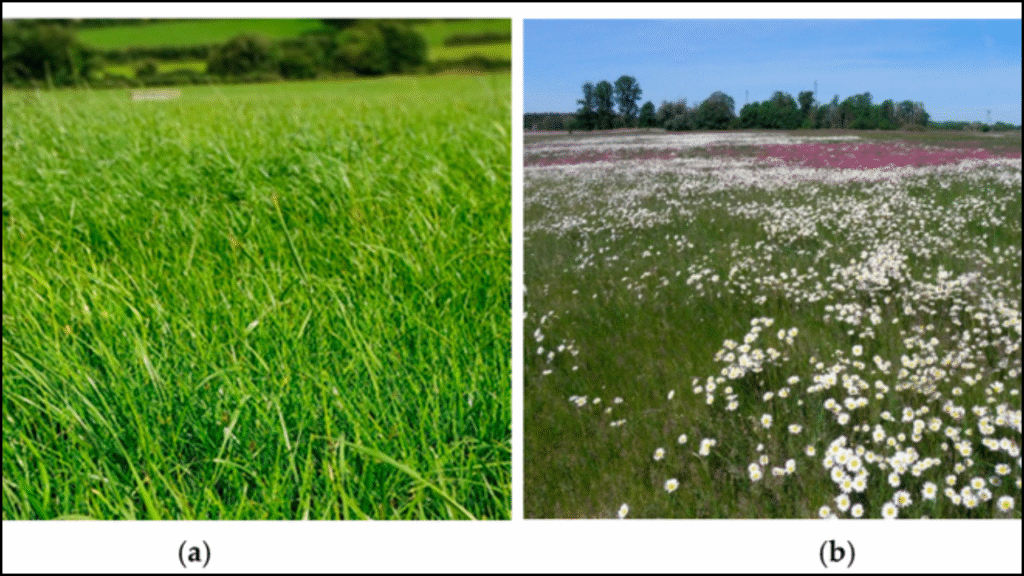
Forage quality plays a vital role in livestock nutrition and overall farm productivity. Different grass species exhibit variations in nutritional composition, digestibility, and growth performance depending on their genetic traits and environmental adaptability. Evaluation of forage quality helps identify the best species for sustainable animal feeding systems. Grass species differ not only in yield potential but also in their capacity to provide essential nutrients, making this assessment crucial for effective pasture management.
Table of Contents
Importance of Forage Quality Evaluation
- Nutritional Balance: Determines the availability of essential nutrients such as protein, fiber, and minerals.
- Livestock Health: Ensures animals receive adequate nutrition for growth, reproduction, and milk or meat production.
- Pasture Management: Helps in selecting the right grass species for different climates and soil types.
- Sustainability: Supports efficient land use by maximizing productivity while conserving soil and water.
- Economic Value: High-quality forage reduces the need for external feed supplements, lowering production costs.
Key Parameters Used to Evaluate Forage Quality
- Crude Protein (CP): Indicates the nitrogen content and overall protein availability for livestock.
- Neutral Detergent Fiber (NDF): Measures cell wall components that influence intake and digestibility.
- Acid Detergent Fiber (ADF): Reflects cellulose and lignin content, affecting digestibility.
- Dry Matter (DM): Represents the total solid portion after removing water.
- Total Digestible Nutrients (TDN): Estimates the total energy available to the animal.
- Mineral Content: Includes essential elements like calcium, phosphorus, potassium, and magnesium.
Factors Affecting Forage Quality
- Genetic Variability: Different grass species have unique genetic traits influencing nutrient composition.
- Soil Fertility: Soil nutrient levels directly affect plant growth and nutrient accumulation.
- Climatic Conditions: Temperature, rainfall, and sunlight intensity alter the chemical composition of grasses.
- Growth Stage: Young grasses are more digestible and nutrient-rich compared to mature plants.
- Harvesting Time: Early harvesting usually results in higher protein and lower fiber content.
- Management Practices: Fertilization, irrigation, and grazing pressure influence overall forage quality.
Common Grass Species Evaluated for Forage Quality
| Grass Species | Crude Protein (%) | NDF (%) | ADF (%) | TDN (%) | Remarks |
|---|---|---|---|---|---|
| Napier Grass (Pennisetum purpureum) | 9–14 | 60–68 | 40–45 | 58–65 | High-yielding perennial with good digestibility |
| Guinea Grass (Panicum maximum) | 8–12 | 63–70 | 42–48 | 55–62 | Adapted to tropical climates, excellent regrowth |
| Ryegrass (Lolium perenne) | 15–20 | 50–58 | 32–38 | 68–75 | Rich in protein, highly palatable for dairy cattle |
| Bermudagrass (Cynodon dactylon) | 10–15 | 58–65 | 38–45 | 60–68 | Drought-tolerant, suitable for dry regions |
| Timothy Grass (Phleum pratense) | 8–10 | 65–70 | 45–50 | 55–60 | Cold-tolerant, preferred in temperate zones |
| Setaria Grass (Setaria sphacelata) | 9–13 | 62–68 | 40–46 | 58–65 | Suitable for mixed cropping with legumes |
| Switchgrass (Panicum virgatum) | 7–11 | 65–72 | 45–50 | 54–59 | Widely used for both forage and bioenergy production |
Comparison of Forage Quality in Different Growth Stages
| Growth Stage | Crude Protein (%) | NDF (%) | Digestibility (%) | Remarks |
|---|---|---|---|---|
| Vegetative | 15–20 | 50–55 | 70–75 | High nutrient concentration and digestibility |
| Booting | 10–14 | 58–65 | 60–68 | Moderate nutrient value, preferred for hay |
| Heading | 7–10 | 65–72 | 50–55 | Lower digestibility due to lignification |
| Maturity | 5–8 | 70–78 | 45–50 | Poor forage quality, high fiber content |
Role of Legume Mixtures in Enhancing Grass Quality
- Nitrogen Fixation: Legumes naturally fix atmospheric nitrogen, enriching soil fertility.
- Protein Improvement: Mixing legumes with grasses increases total crude protein content.
- Palatability: Legume-grass mixtures enhance feed palatability for livestock.
- Soil Conservation: Legumes reduce soil erosion and improve structure.
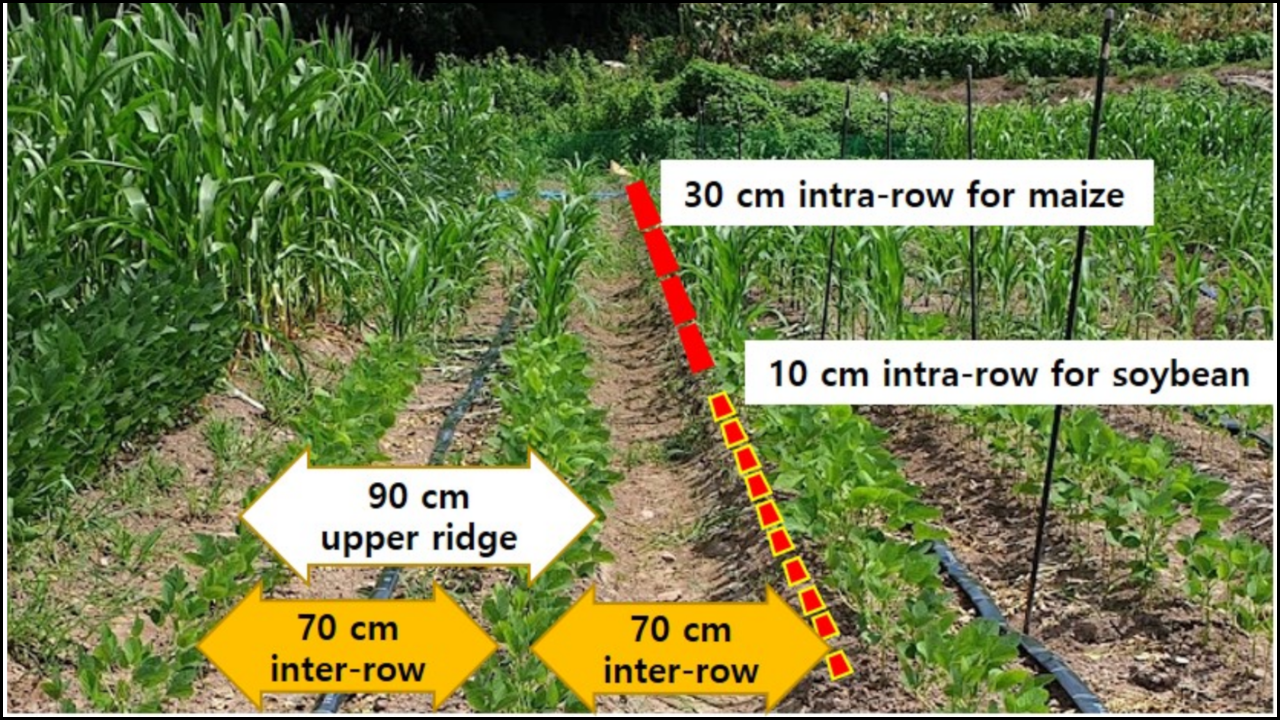
- Examples: Common combinations include Guinea grass with Stylosanthes and Napier grass with Desmodium.
Methods for Evaluating Forage Quality
- Laboratory Analysis: Involves chemical tests to measure protein, fiber, and mineral content.
- Near-Infrared Reflectance Spectroscopy (NIRS): Provides rapid estimation of nutrient composition.
- In Vitro Digestibility Tests: Simulate rumen digestion to evaluate feed utilization efficiency.
- Animal Trials: Measure performance parameters such as weight gain and milk yield.
- Field Observation: Includes growth pattern, regrowth potential, and pest resistance.
Environmental and Economic Implications
- Sustainable Feeding: High-quality forages reduce dependency on concentrate feeds.
- Reduced Environmental Impact: Balanced nutrition minimizes methane emissions from ruminants.
- Efficient Resource Use: Optimal use of land and water enhances productivity.
- Cost Reduction: Locally grown forages decrease feed import expenses for farmers.
- Resilience: Diverse grass species improve ecosystem stability under climate variability.
Strategies for Improving Forage Quality
- Fertilization: Balanced nutrient application improves plant growth and nutrient content.
- Irrigation Management: Proper water supply enhances biomass yield and nutrient uptake.
- Selective Breeding: Breeding programs focus on developing nutrient-rich and stress-tolerant varieties.
- Integrated Pasture Management: Combines rotational grazing, legume integration, and weed control.
- Timely Harvesting: Cutting grasses at the right growth stage maintains optimal nutrient levels.
Applications in Livestock Production
- Dairy Farming: High-quality forages improve milk yield and butterfat content.
- Beef Production: Properly balanced forage diets enhance muscle growth and carcass quality.
- Sheep and Goat Farming: Nutritive grasses support reproductive efficiency and wool quality.
- Poultry and Rabbit Feed: Certain grasses can be processed into pellets as supplementary feed.
Looking Ahead
Forage quality evaluation in different grass species serves as a foundation for sustainable livestock management. Selection of suitable grass based on nutritional composition, adaptability, and digestibility ensures optimal animal performance and soil health. Incorporating legumes, adopting modern analytical tools, and improving management practices further enhance forage value. Continuous assessment of forage species promotes efficient, eco-friendly, and profitable agricultural systems that sustain livestock production across diverse environments.