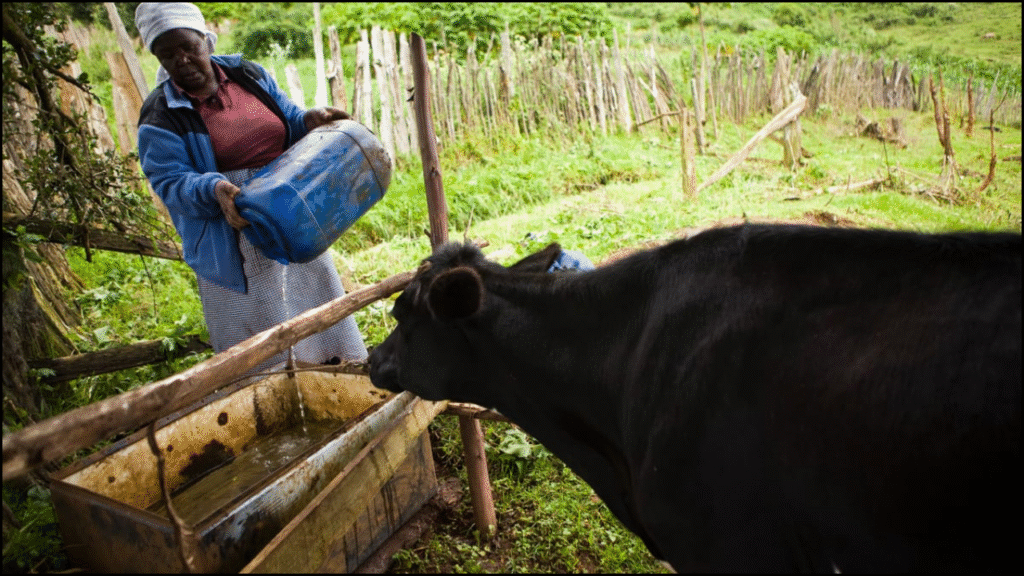
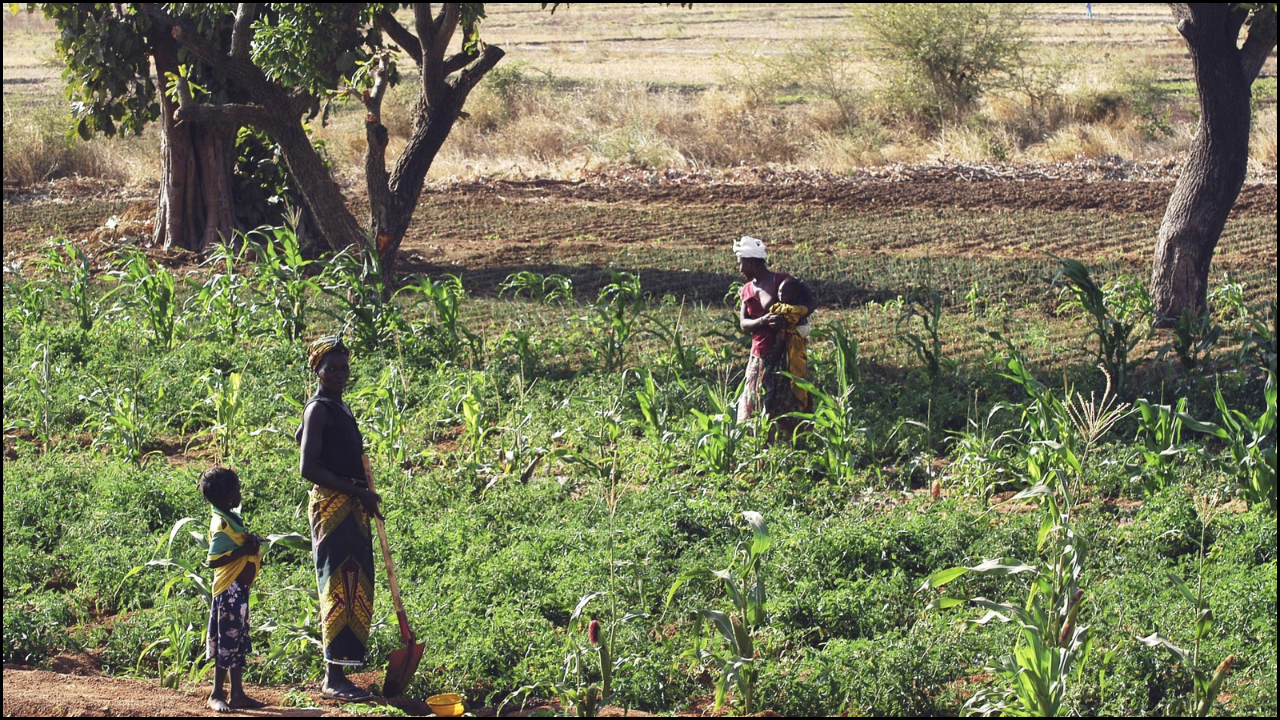
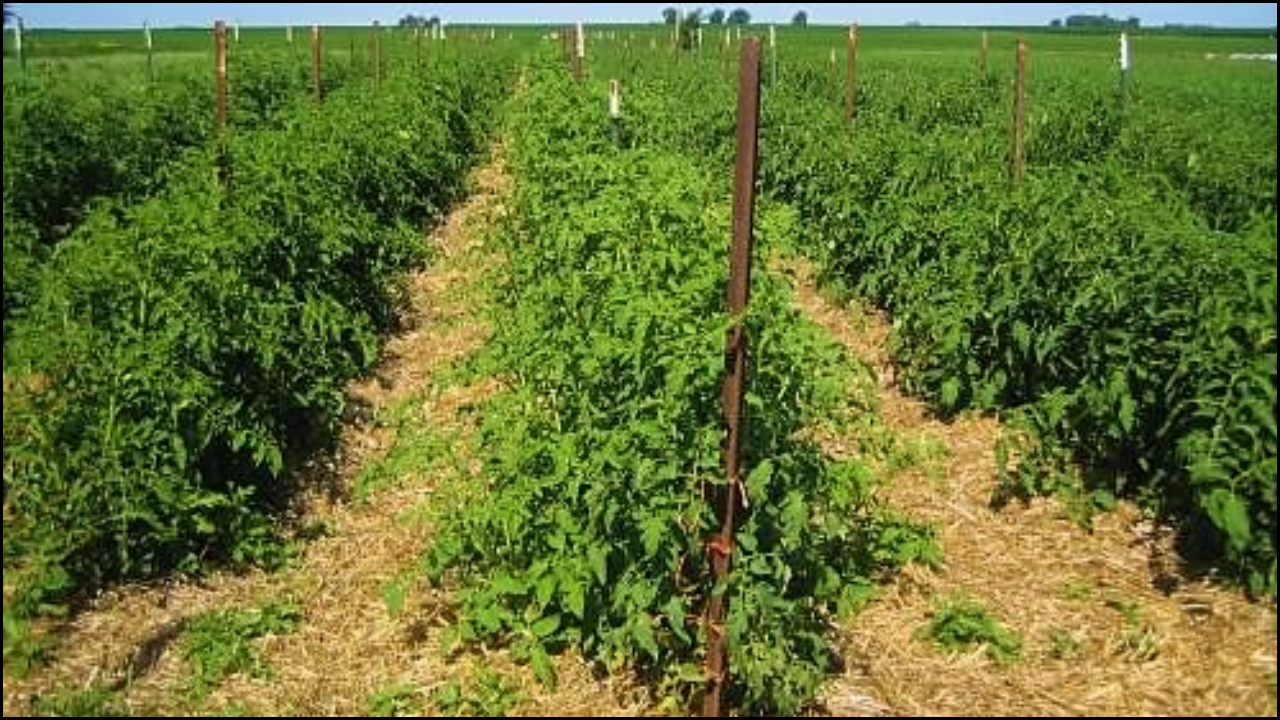
Agricultural sustainability depends on efficient resource use and ecological balance. Integration of crops and livestock represents one of the most effective systems to achieve long-term productivity and environmental health. Crop-livestock integration (CLI) involves combining animal husbandry with crop production to optimize the use of resources, reduce waste, and enhance soil fertility. This approach creates a circular system where outputs from one component serve as inputs for another, contributing to improved farm resilience and profitability.
Table of Contents
Definition And Concept Of Crop-Livestock Integration
Crop-livestock integration (CLI) refers to a farming system where crops and animals are managed together on the same farm or within the same region.
The integration promotes nutrient cycling, soil fertility improvement, and diversified income sources.
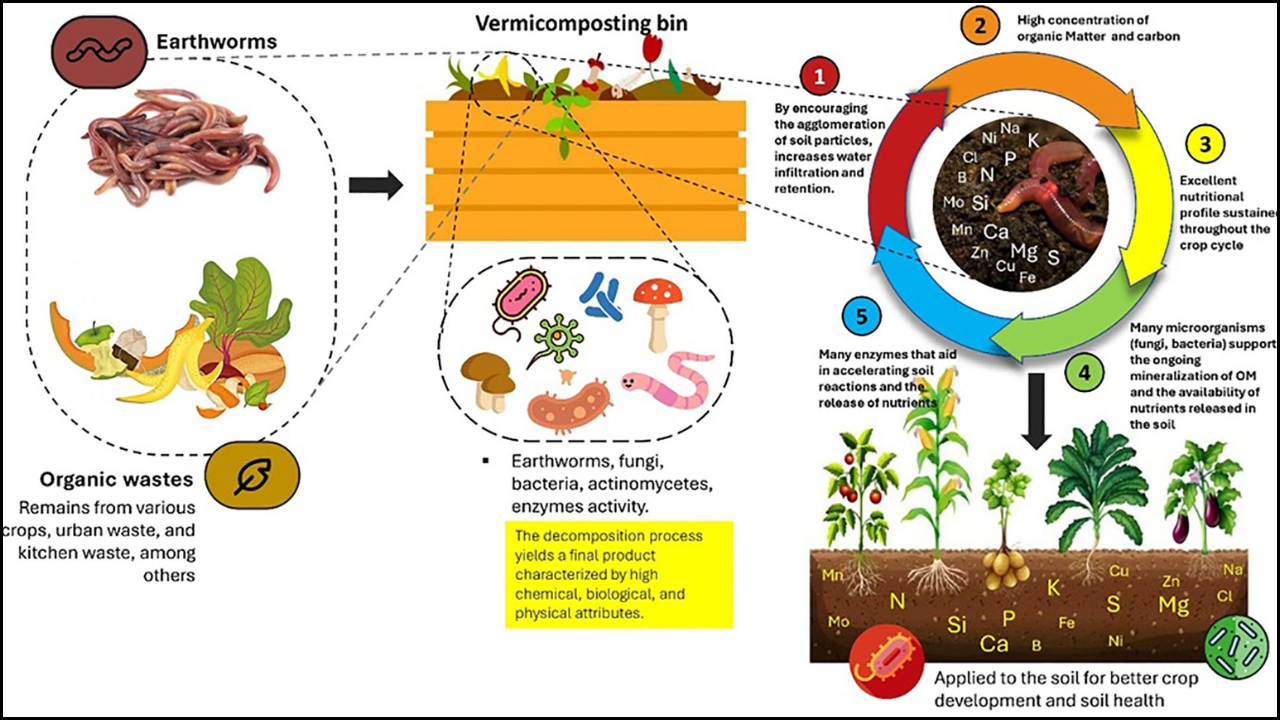
Crop residues are used as feed for livestock, while animal manure enriches soil organic matter, closing the nutrient loop.
The system aims to minimize external inputs and maximize resource use efficiency through sustainable ecological interactions.
Objectives Of Crop-Livestock Integration
Enhance soil fertility and nutrient recycling.
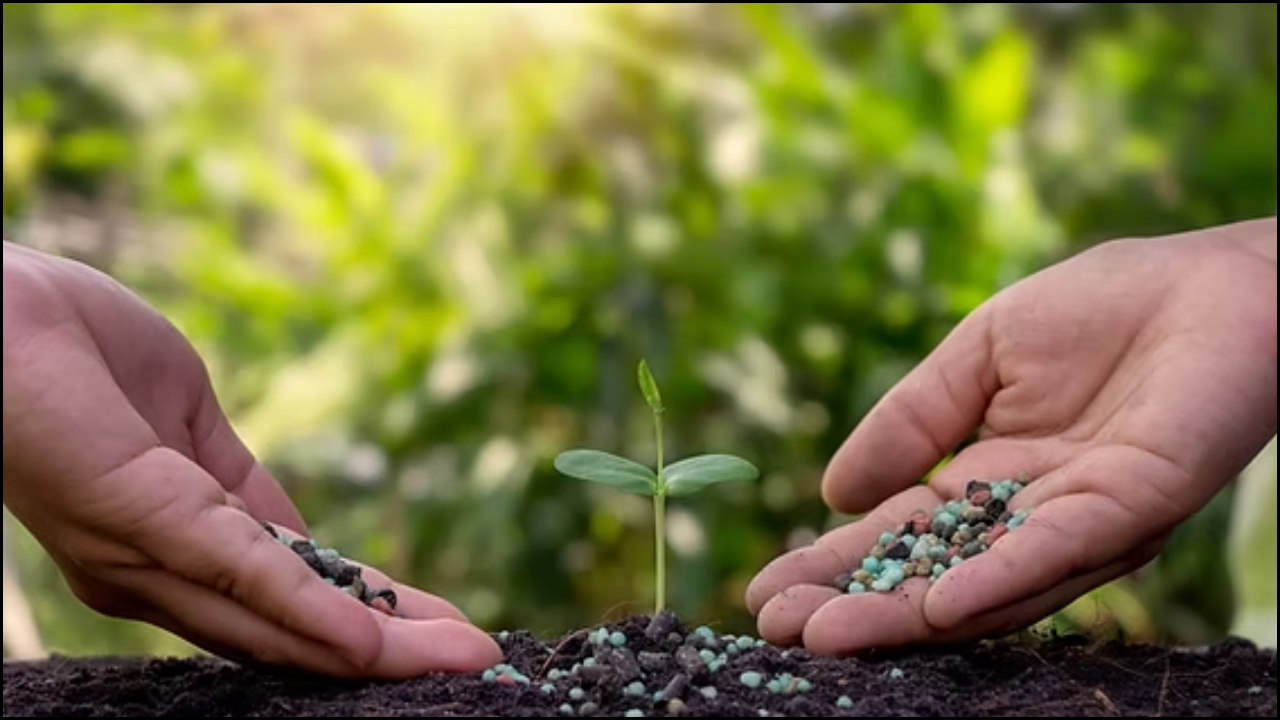
Reduce dependence on chemical fertilizers.
Improve productivity and farm income stability.
Optimize land, water, and feed resources.
Strengthen resilience against climate variability.
Major Components Of Integration Systems
Component
Description
Benefits
Crops
Includes cereals, legumes, oilseeds, and forages cultivated for grain or feed.
Provides food, fodder, and crop residues for livestock.
Livestock
Cattle, sheep, goats, and poultry integrated into crop systems.
Produces manure for soil fertility and additional income through milk, meat, and eggs.
Manure Management
Collection and composting of animal waste.
Recycles nutrients and improves soil organic matter content.
Pasture/Fodder Crops
Cultivation of grasses and legumes for grazing or silage.
Ensures year-round feed supply and prevents soil erosion.
Agroforestry Elements
Integration of trees and shrubs.
Offers shade, fodder, and wood while improving biodiversity.
Reduced Greenhouse Gas Emissions: Efficient nutrient cycling lowers methane and nitrous oxide release.
Erosion Control: Vegetative cover from pastures prevents soil erosion.
Carbon Sequestration: Organic matter buildup enhances carbon storage in soils.
Water Conservation: Improved infiltration and moisture retention support sustainable water use.
Biodiversity Enhancement: Diverse crop and livestock species increase ecosystem stability.
Economic Evaluation Of Integration Systems
Aspect
Integrated System
Conventional System
Input Costs
Lower due to recycling of on-farm resources.
Higher due to dependence on chemical inputs.
Income Sources
Multiple streams from crops, milk, meat, and manure.
Limited to crop yield.
Profit Margin
Higher due to diversification and reduced risk.
Variable, often affected by crop failure.
Sustainability
Long-term resource efficiency and resilience.
Short-term productivity focus.
Technological Innovations Supporting Integration
Precision Livestock Management: Monitors feed efficiency and animal health.
Smart Manure Systems: Automated composting and nutrient tracking.
Crop Modeling Tools: Optimize crop-livestock rotations for productivity.
Remote Sensing: Tracks pasture growth and soil moisture.
IoT-Based Systems: Integrates farm operations for better decision-making.
Best Practices For Effective Integration
Maintain balanced crop-livestock ratios to avoid overgrazing.
Apply rotational grazing to protect pastures.
Compost manure before application to control pathogens.
Introduce legume crops to enhance nitrogen fixation.
Develop water harvesting structures for dry seasons.
Diversify livestock species to utilize varied feed sources.
The Way Forward
Crop-livestock integration serves as a cornerstone of sustainable agriculture. The system enhances nutrient recycling, soil fertility, and economic stability while minimizing environmental damage. Effective management and modern technologies can further optimize integration outcomes, leading to resilient and productive agroecosystems. A balanced crop-livestock relationship ensures that agricultural practices remain sustainable, profitable, and ecologically harmonious for future generations.
She is a creative and dedicated content writer who loves turning ideas into clear and engaging stories. She writes blog posts and articles that connect with readers. She ensures every piece of content is well-structured and easy to understand. Her writing helps our brand share useful information and build strong relationships with our audience.