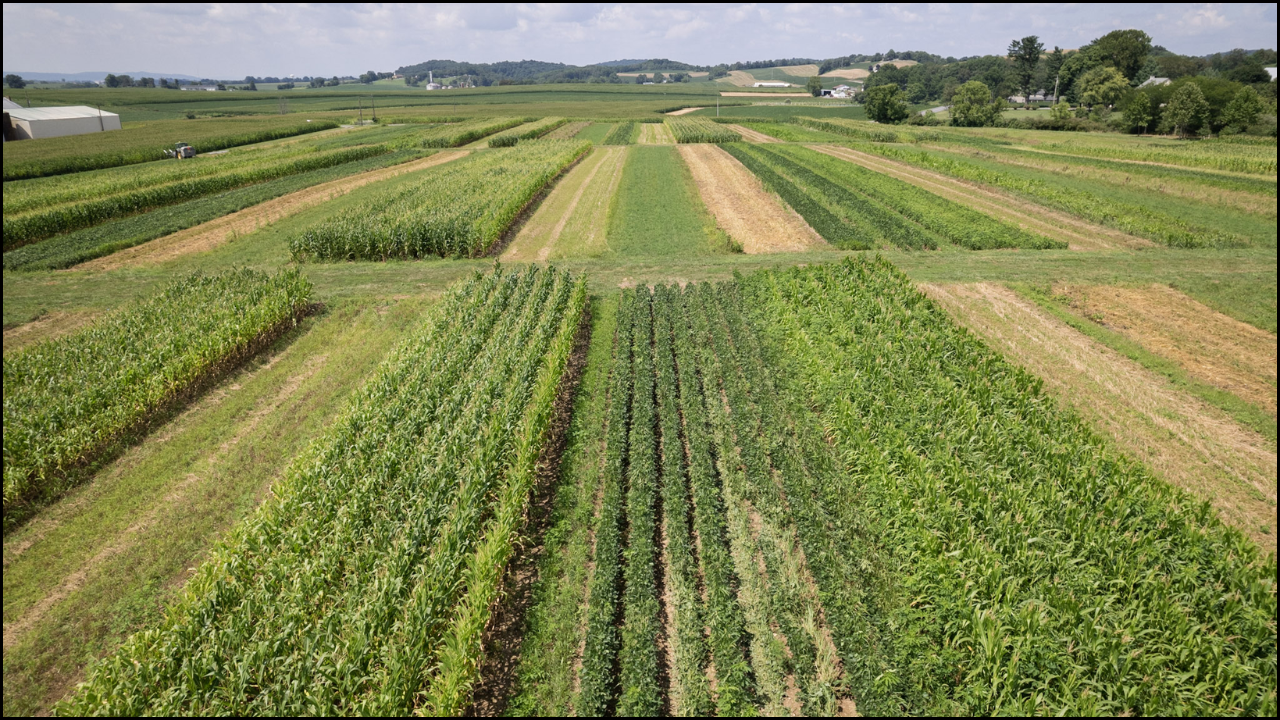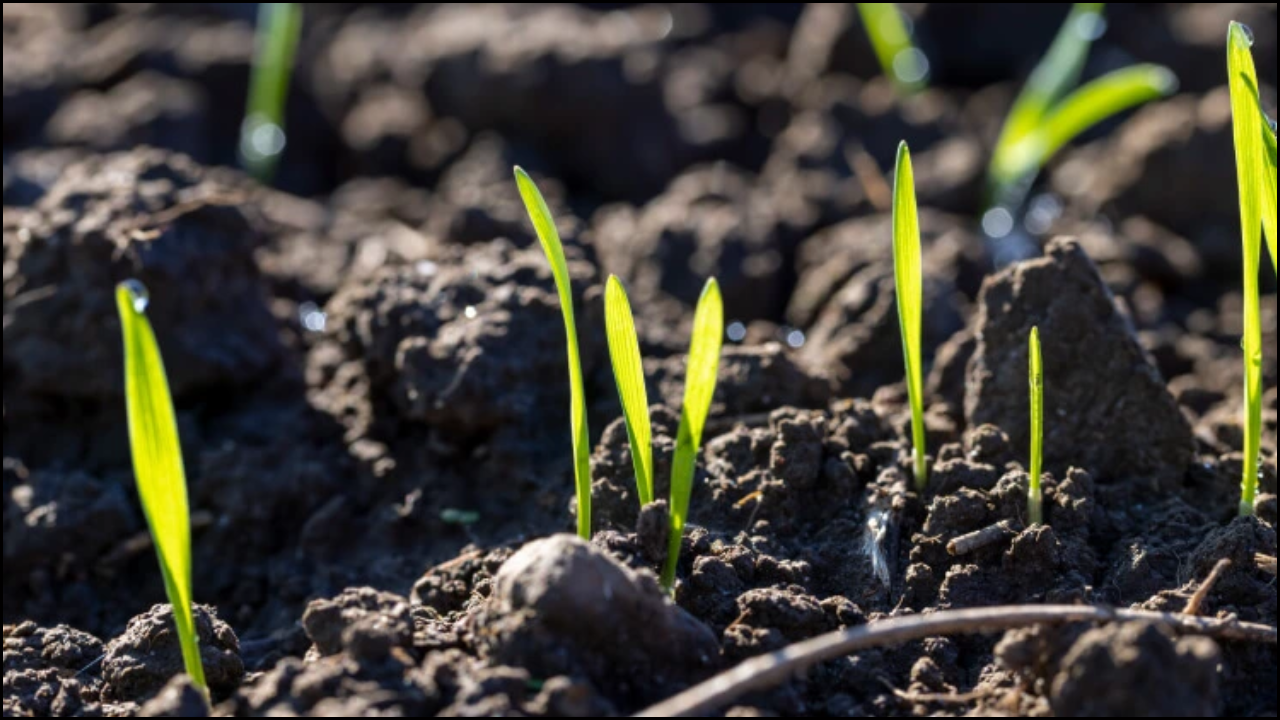
In agriculture, achieving consistent crop yields is becoming more difficult as climate conditions grow increasingly unpredictable. Farmers are not only facing changes in rainfall and temperature patterns but also struggling to manage soil fertility effectively under these shifting circumstances. The interaction between soil fertility management and climate variability plays a critical role in determining how well crops grow and how stable yields remain over time. Understanding this relationship is essential for developing resilient farming systems that can sustain production even in the face of climatic uncertainty.
Table of Contents
The Challenge of Climate Variability in Agriculture
Climate variability refers to short- and long-term fluctuations in weather patterns, including changes in rainfall timing, temperature extremes, and the frequency of droughts or floods. These variations disrupt planting schedules, reduce soil moisture, and increase pest and disease risks. As a result, crop yields can vary significantly from one season to another, affecting farmers’ income and food security.
In rain-fed agricultural systems, which depend heavily on natural rainfall, these effects are even more pronounced. Prolonged dry spells can lead to nutrient stress, while intense rains can cause erosion and nutrient leaching. Both situations reduce soil fertility and affect plant growth. Therefore, managing soil fertility efficiently becomes a key factor in buffering crops against the negative impacts of climate variability.
The Role of Soil Fertility Management
Soil fertility management includes all the practices that help maintain or improve the soil’s capacity to supply essential nutrients to plants. This involves the use of mineral fertilizers, organic amendments like compost or manure, crop residues, and proper crop selection. These inputs not only supply nutrients but also improve soil structure, enhance water-holding capacity, and support beneficial microorganisms.
When soil fertility is well-managed, crops are better able to withstand climatic stresses. For example, soils rich in organic matter retain more moisture during droughts and allow better drainage during heavy rainfall. Similarly, balanced nutrient availability helps plants develop stronger root systems, making them more resilient to temperature or water fluctuations.
Interactions Between Soil Management and Climate Factors
The relationship between soil fertility and climate is dynamic and interdependent. Fertilizers and organic matter interact differently under various weather conditions. In warm and wet conditions, for instance, the decomposition of organic material accelerates, releasing nutrients quickly but sometimes leading to losses through leaching. In contrast, during dry periods, nutrient mineralization slows down, limiting the amount of available nutrients for crops.
Crop type and planting schedule also influence how soil fertility management interacts with climate. Deep-rooted crops, such as sorghum or millet, can access nutrients and moisture from deeper soil layers, making them more adaptable to droughts. On the other hand, shallow-rooted crops like maize or rice are more sensitive to moisture and temperature fluctuations. By selecting crops suited to local conditions and managing soil fertility appropriately, farmers can achieve more stable yields despite weather variability.
Use of Organic and Inorganic Inputs for Yield Stability
Combining organic and inorganic fertilizers—an approach known as integrated soil fertility management (ISFM)—is one of the most effective strategies for stabilizing crop yields. Organic materials improve soil texture and microbial activity, while inorganic fertilizers provide immediate nutrient availability. This combination ensures both short-term productivity and long-term soil health.
For example, applying compost before the rainy season can enhance soil structure and water infiltration, while small doses of nitrogen fertilizer during crop growth can sustain nutrient supply even if rainfall becomes erratic. Studies have shown that ISFM systems consistently outperform those relying solely on chemical fertilizers or organic inputs, especially in regions prone to climate extremes.
Climate-Smart Practices to Enhance Soil Resilience
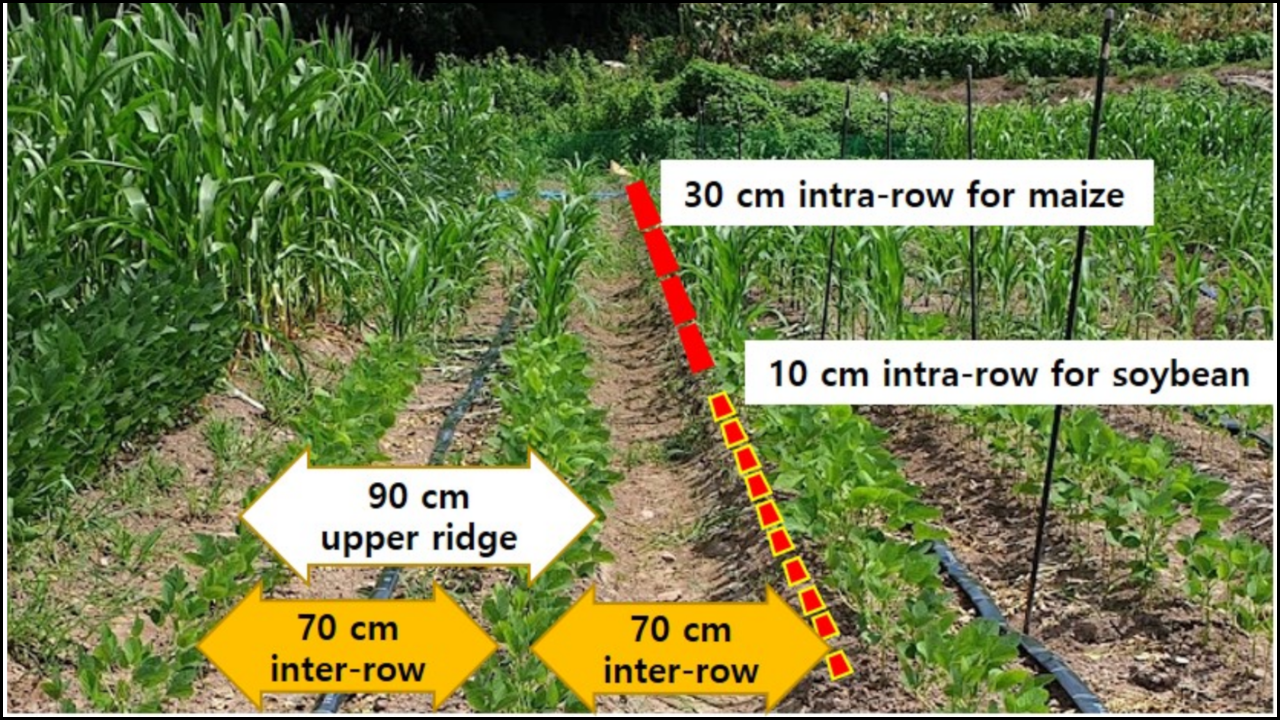
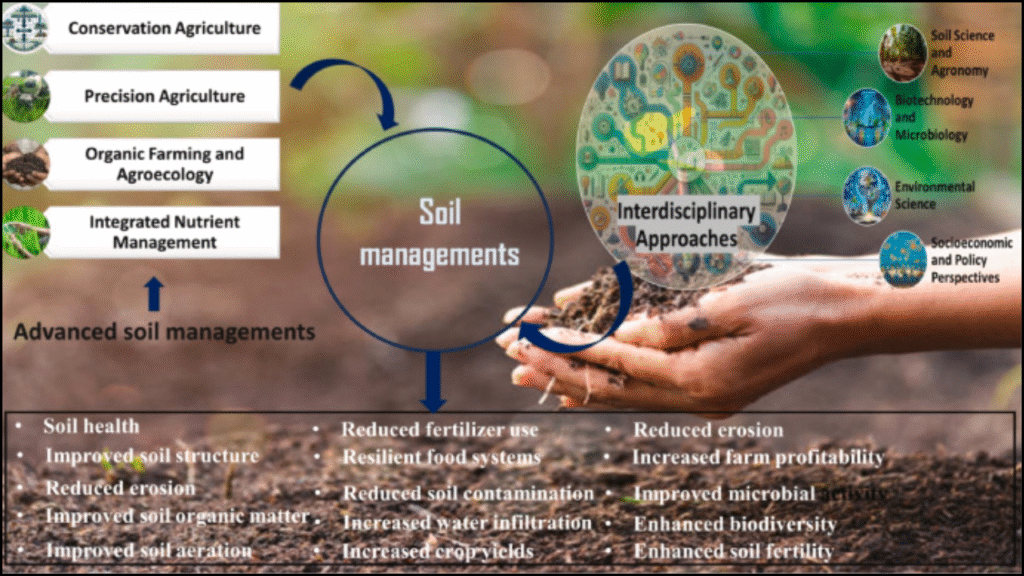
Adapting soil fertility management to climate variability involves adopting climate-smart agriculture practices. These include crop rotation, intercropping with legumes, mulching, and conservation tillage. Legume crops enrich soil nitrogen naturally, reducing fertilizer dependence, while mulching conserves soil moisture and prevents erosion.
Precision farming technologies also allow farmers to optimize fertilizer use according to soil and weather conditions. By applying the right type and amount of fertilizer at the right time, nutrient losses are minimized, and efficiency improves. Additionally, incorporating weather forecasts and soil testing data into planning helps farmers make informed decisions about fertilizer timing and crop selection.
Monitoring and Evaluating Yield Variability
Assessing yield variability requires consistent field monitoring over multiple seasons. By collecting data on soil fertility, rainfall, temperature, and crop performance, researchers and farmers can identify patterns and adjust management practices accordingly. Simulation models and remote-sensing technologies further help predict how different soil management strategies perform under future climate scenarios.
Such evaluations reveal that maintaining soil fertility through organic amendments and balanced fertilization can significantly reduce yield fluctuations. Even in years with poor rainfall, soils with good structure and organic matter content tend to support better crop growth and recovery.
Building a Resilient Future for Farmers
The key to stable crop production under climate variability lies in improving soil health and adopting adaptive management strategies. Fertile soils not only provide nutrients but also act as buffers against environmental stress. Farmers who invest in soil conservation, integrated fertilization, and crop diversification are better equipped to handle unpredictable weather and maintain steady yields.
Conclusion
Climate variability poses a major threat to agricultural productivity, but its effects can be mitigated through effective soil fertility management. By combining organic and inorganic inputs, adopting climate-smart practices, and monitoring soil and crop responses, farmers can enhance yield stability and safeguard food production. Sustainable soil management is not just an environmental necessity—it is an essential strategy for ensuring agricultural resilience in an uncertain climate future.
FAQs
Q1: How does climate variability affect crop yields?
It disrupts rainfall, temperature, and soil moisture, causing irregular crop growth and yield fluctuations.
Q2: Why is soil fertility management important under changing climates?
It strengthens soil health and improves crops’ ability to withstand environmental stresses.
Q3: What is the best way to maintain yield stability?
Combining organic and inorganic fertilizers with climate-smart practices ensures long-term productivity.