Soil fertility is the foundation of healthy and productive agriculture. The way farmers choose and manage their crops directly influences how nutrients are cycled and maintained in the soil. Two key farming methods—crop rotation and legume intercropping—have proven to be effective in sustaining soil fertility, enhancing crop yields, and reducing dependency on chemical fertilizers. These techniques are not new; they are rooted in traditional farming wisdom, but modern science now provides clear evidence of their long-term benefits for both farmers and the environment.
Table of Contents
Understanding Crop Rotation and Its Importance
Crop rotation refers to the practice of growing different types of crops on the same land in sequential seasons. Instead of planting the same crop repeatedly, which can deplete soil nutrients, farmers alternate crops with varying nutrient requirements and root systems.
For instance, a farmer may plant maize one season, followed by legumes like cowpea or groundnut, and then a root crop such as cassava. Each crop interacts differently with the soil. Legumes, for example, enrich the soil with nitrogen through their symbiotic relationship with bacteria in their root nodules. Maize, which is a heavy nitrogen feeder, benefits from this improvement when grown in the next season.
Crop rotation also helps reduce pest and disease buildup, as many pests and pathogens are crop-specific. By interrupting their life cycles, farmers naturally lower the risk of infestation without relying heavily on pesticides. Furthermore, rotation improves soil structure, boosts organic matter, and enhances water retention, all of which lead to healthier, more productive soils.
The Role of Legume Intercropping in Soil Fertility
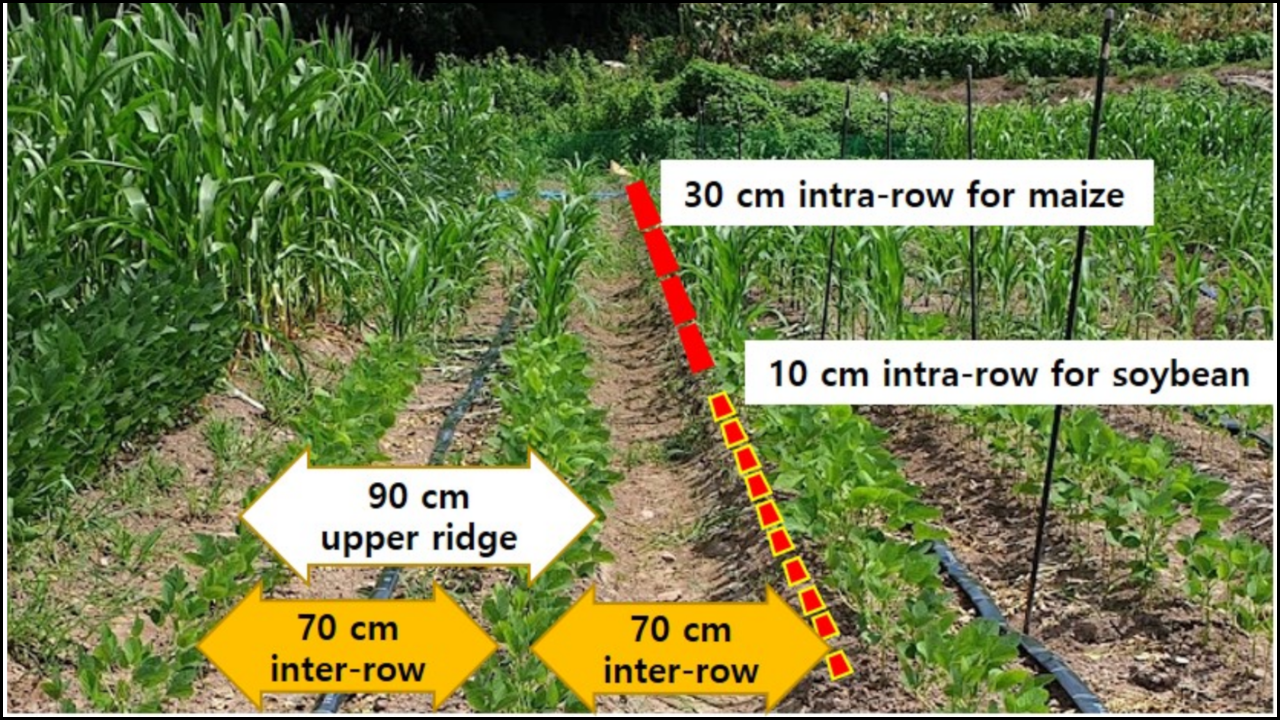
Legume intercropping involves growing legumes alongside cereals or other crops in the same field at the same time. Common examples include maize-bean or sorghum-cowpea systems. This method makes efficient use of land and sunlight while fostering natural nutrient recycling.
Legumes have a unique ability to fix atmospheric nitrogen into the soil, making it available for their own growth and for companion crops. The process occurs through symbiotic bacteria called Rhizobia that live in legume root nodules. Over time, this enriches the soil and reduces the need for synthetic nitrogen fertilizers.
Intercropping also minimizes erosion, as ground-cover crops protect the soil from heavy rains. Additionally, by combining deep- and shallow-rooted plants, farmers ensure that nutrients are drawn from different soil layers, improving overall fertility and reducing nutrient loss. The mixed cropping system often leads to higher total productivity per unit area compared to monocropping.
How Crop Choices Influence Nutrient Cycles
Each crop interacts with soil nutrients in its own way. Maize, rice, and wheat are nutrient-demanding crops that quickly exhaust available nitrogen and phosphorus. In contrast, legumes restore these elements to the soil through biological fixation and organic residue decomposition.
When farmers integrate legumes into their cropping systems, they create a balanced nutrient cycle where depletion and replenishment occur naturally. For example, in a maize-bean rotation, maize consumes nitrogen, and beans later restore it. This balance maintains soil fertility and supports continuous crop production without external fertilizer dependency.
Crop residues—such as bean husks or maize stalks—also contribute to nutrient cycling when left in the field or incorporated into the soil. They add organic matter, improve microbial activity, and promote better soil structure. As microorganisms break down these residues, they release nutrients slowly, ensuring that crops have a steady supply over time.
Benefits Beyond Soil Fertility
The advantages of crop rotation and intercropping go beyond soil enrichment. These systems support biodiversity by attracting beneficial insects and microorganisms. They help suppress weeds by shading the ground and reducing space for unwanted plant growth.
Economically, diversification provides farmers with multiple sources of income and food security. If one crop fails due to drought or pests, another may still thrive. Environmentally, reducing fertilizer use means fewer greenhouse gas emissions and less nutrient runoff into water bodies—benefiting both people and ecosystems.
Challenges to Adoption
Despite their benefits, not all farmers adopt these practices easily. Challenges include lack of awareness, limited access to legume seeds, and market constraints. Some farmers prefer monocropping due to easier mechanization and predictable sales of single crops. Additionally, short-term yield expectations sometimes discourage long-term soil management practices.
To address these challenges, agricultural extension services, training programs, and demonstration plots are crucial. Governments and NGOs can also support adoption by offering incentives, promoting local seed production, and creating markets for diverse crops.
A Step Toward Sustainable Farming
Adopting crop rotation and legume intercropping is a vital step toward sustainable agriculture. By aligning farming practices with natural nutrient cycles, smallholder farmers can improve soil health, increase yields, and ensure long-term productivity. These systems represent a practical balance between traditional wisdom and modern agricultural science, offering a path to resilient and eco-friendly food production.
FAQs
Q1: What is crop rotation and why is it important?
It is the practice of planting different crops in sequence to restore soil nutrients, control pests, and improve fertility.
Q2: How do legumes improve soil fertility?
Legumes fix atmospheric nitrogen into the soil through root bacteria, enriching it for subsequent crops.
Q3: Why is intercropping beneficial for farmers?
It boosts soil fertility, prevents erosion, and provides higher total yield and income diversity.