Sustaining soil fertility is essential for achieving food security and improving rural livelihoods. For smallholder farmers, whose survival depends heavily on productive land, maintaining soil health has become a growing concern. Integrated Soil Fertility Management (ISFM) offers a practical and balanced solution to these challenges. By combining organic and inorganic nutrient sources with improved crop management techniques, ISFM enhances both productivity and soil sustainability. However, the adoption of these practices depends on a complex mix of socio-economic, cultural, and environmental factors.
Table of Contents
Understanding ISFM and Its Importance
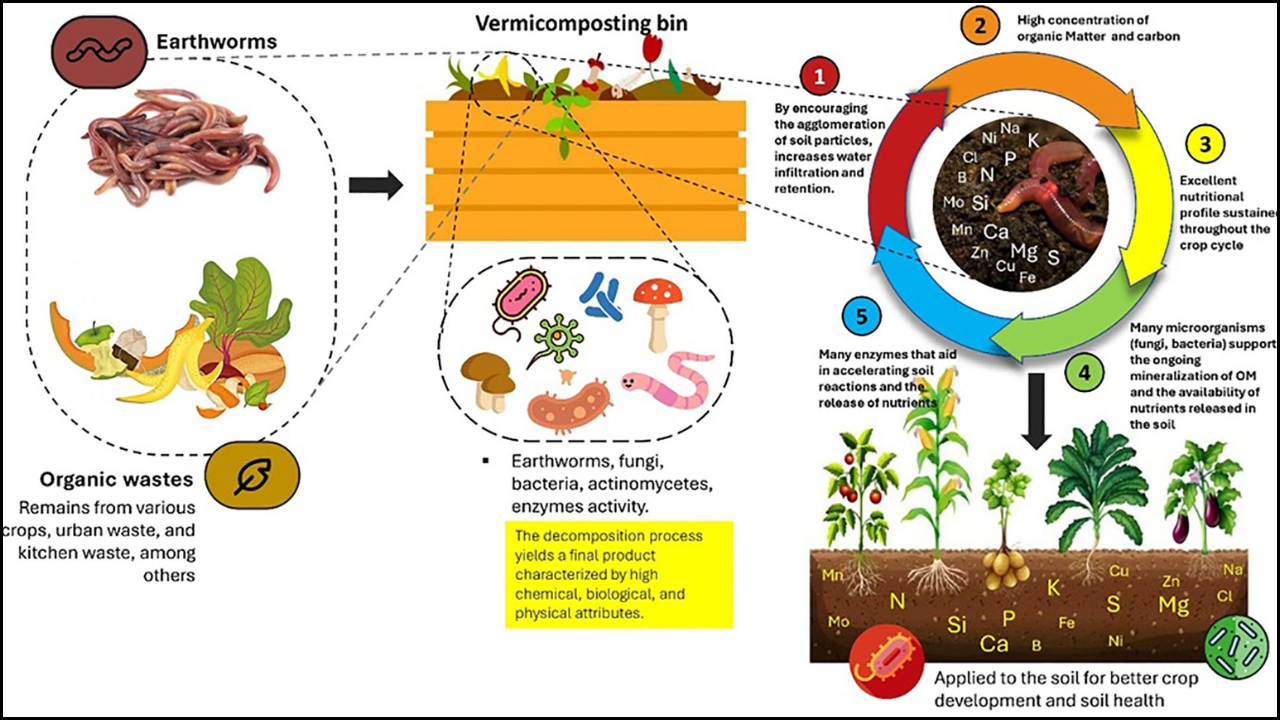
Integrated Soil Fertility Management is an approach that combines various practices such as the use of organic compost, crop residues, animal manure, mineral fertilizers, and crop rotation. The goal is to optimize soil nutrient availability and improve long-term fertility while maximizing crop yield. Instead of relying solely on chemical fertilizers, ISFM emphasizes balance and sustainability.
For example, while inorganic fertilizers provide quick nutrient release, organic matter improves soil structure, water retention, and microbial life. Together, they create a more resilient farming system that maintains productivity even under unpredictable weather or poor soil conditions. This approach is especially important for smallholder farmers who manage limited land areas with few resources.
Socio-Economic Factors Influencing Adoption
One of the most significant barriers to adopting ISFM practices is financial limitation. Many smallholder farmers operate on tight budgets, making it difficult to purchase mineral fertilizers or invest in improved tools. The cost of organic inputs such as manure or compost preparation can also be high if not locally available.
Education and awareness play another critical role. Farmers with access to agricultural extension services or training programs are more likely to understand the benefits of ISFM and adopt it effectively. Studies show that farmers who have participated in demonstration plots or farmer field schools are significantly more open to experimenting with integrated soil fertility practices.
Social factors, including age and gender, also affect adoption. Younger farmers tend to adopt new technologies faster, while women farmers often face challenges such as lack of land ownership or access to credit. Community networks, local cooperatives, and farmer groups can help overcome some of these barriers by providing shared knowledge and resources.
Agronomic Factors Affecting ISFM Use
The physical characteristics of the land, such as soil type, fertility status, and rainfall patterns, influence how effective ISFM practices are and whether farmers are willing to adopt them. In regions with poor or degraded soils, ISFM can significantly boost productivity, motivating farmers to continue the practice. Conversely, in areas with naturally fertile soils, the immediate benefits may appear less noticeable, reducing adoption rates.
Another key factor is the type of crops grown. High-value or nutrient-demanding crops such as maize, rice, and vegetables often yield better results with integrated fertility management. Crop rotation, intercropping with legumes, and the inclusion of nitrogen-fixing plants are common strategies used to sustain fertility and improve soil structure over time.
Access to water and irrigation infrastructure also plays an important role. ISFM practices are most effective when soil moisture is maintained, as nutrients are better absorbed by plants. In drought-prone regions, lack of reliable water supply may limit the success of ISFM unless paired with water conservation techniques.
Impacts on Crop Productivity and Sustainability
Farmers who adopt ISFM practices often experience higher yields, improved soil texture, and reduced dependency on costly fertilizers. Studies have shown that integrated management can increase maize yields by up to 40% compared to traditional farming methods. In addition, the long-term accumulation of organic matter in the soil leads to better nutrient cycling and higher resilience to erosion.
From an environmental perspective, ISFM reduces nutrient leaching and greenhouse gas emissions, making it an eco-friendly alternative to heavy chemical fertilizer use. For smallholder communities, it contributes to food security, income stability, and better adaptation to climate change.
Encouraging Wider Adoption
To expand the use of ISFM among smallholder farmers, a supportive environment is needed. This includes government policies promoting affordable fertilizers, subsidies for organic manure, and effective agricultural extension services. Collaboration between local institutions, NGOs, and research organizations can bridge the gap between scientific knowledge and on-ground application.
Promoting success stories, providing access to credit, and encouraging youth participation in sustainable agriculture are also vital steps. Digital platforms and mobile-based advisory services can further help farmers learn best practices and monitor soil health in real time.
Ultimately, the adoption of ISFM is not just a technical change—it represents a shift toward sustainable, community-centered agriculture. By combining traditional knowledge with modern science, farmers can restore soil fertility, improve productivity, and secure their livelihoods for generations to come.
FAQs
Q1: What is Integrated Soil Fertility Management (ISFM)?
It is a farming approach that combines organic and inorganic fertilizers with improved crop and soil management to enhance productivity and sustainability.
Q2: Why do some smallholder farmers hesitate to adopt ISFM?
Financial limitations, lack of awareness, poor access to inputs, and limited extension support are major barriers.
Q3: How does ISFM improve crop productivity?
It increases soil nutrient availability, enhances soil structure, and promotes long-term fertility, resulting in higher and more stable yields.