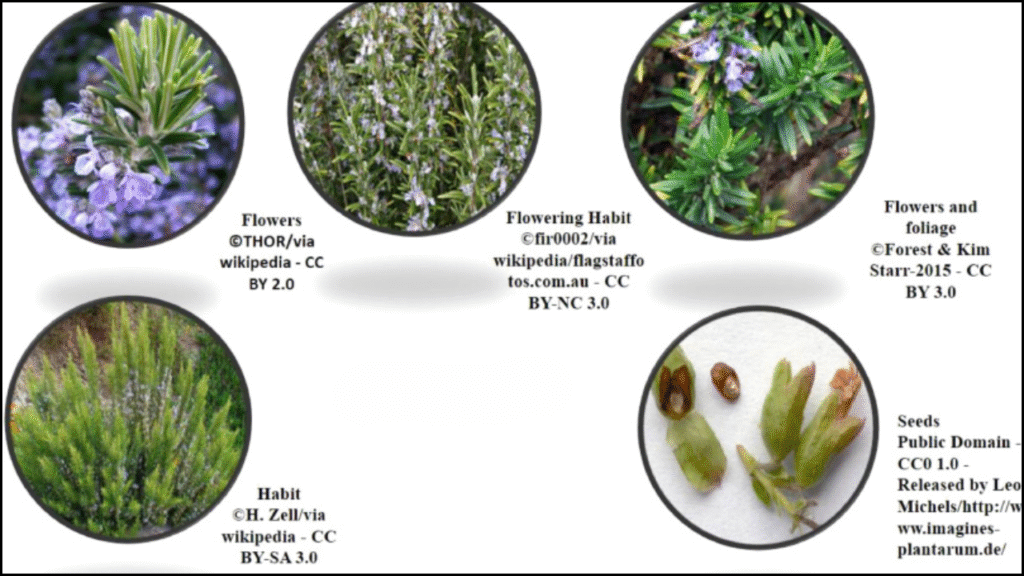
Rosemary (Rosmarinus officinalis L.) is a well-known aromatic herb belonging to the Lamiaceae family, prized for its culinary, medicinal, and industrial applications. The plant’s antioxidant potential is among its most valuable characteristics, derived from an array of bioactive compounds such as phenolic acids, flavonoids, and diterpenes. These compounds contribute to the neutralization of free radicals, the prevention of lipid peroxidation, and overall improvement in human and animal health. Variations in antioxidant activity among rosemary cultivars are influenced by genetic differences, environmental factors, and post-harvest conditions. A comparative understanding of these cultivars aids in selecting high-performing varieties for food preservation, pharmaceuticals, and cosmetic industries.
Table of Contents
Overview Of Rosemary And Its Bioactive Composition
Rosemary is native to the Mediterranean region but is cultivated globally for its essential oils and secondary metabolites.
The antioxidant property mainly results from phenolic compounds such as rosmarinic acid, carnosic acid, and carnosol.
These compounds protect biological systems against oxidative stress, aging, and degenerative diseases.
Differences in chemical composition among cultivars arise from genetic variation and local climatic conditions.
Antioxidant-rich rosemary extracts are increasingly used as natural alternatives to synthetic preservatives like BHT and BHA.
Major Bioactive Compounds Responsible For Antioxidant Activity
Compound
Chemical Class
Primary Function
Relative Contribution To Antioxidant Activity
Carnosic Acid
Phenolic diterpene
Scavenges free radicals and prevents lipid oxidation.
Very High
Carnosol
Phenolic diterpene
Stabilizes fats and protects cellular membranes.
High
Rosmarinic Acid
Phenolic acid
Neutralizes reactive oxygen species (ROS).
Very High
Ursolic Acid
Triterpenoid
Exhibits antioxidant and anti-inflammatory properties.
Moderate
Luteolin
Flavonoid
Chelates metal ions and inhibits oxidative enzymes.
Moderate
Rosmanol
Diterpenoid
Acts synergistically with carnosic acid.
Moderate
Epirosmanol
Diterpenoid
Enhances total antioxidant capacity.
Low to Moderate
Factors Influencing Antioxidant Properties
Factor
Description
Impact On Antioxidant Potential
Cultivar Genetics
Variations in gene expression influence phenolic synthesis.
Determines antioxidant compound concentration.
Climate And Altitude
Sunlight and temperature affect metabolic activity.
Maturity at harvest affects compound accumulation.
Full flowering stage yields maximum antioxidant potency.
Drying And Extraction Methods
Solvent and temperature impact compound stability.
Cold extraction preserves phenolic compounds.
Comparison Of Antioxidant Potential Among Rosemary Cultivars
Cultivar Name
Dominant Compounds
Total Phenolic Content (mg GAE/g DW)
DPPH Radical Scavenging (%)
Ferric Reducing Power (FRAP, µmol Fe²⁺/g)
Antioxidant Ranking
‘Tuscan Blue’
Carnosic acid, carnosol
85 – 95
82 – 88
950 – 1050
Very High
‘Arp’
Rosmarinic acid, ursolic acid
70 – 80
75 – 82
850 – 940
High
‘Salem’
Carnosol, rosmanol
68 – 75
70 – 78
800 – 900
High
‘Blue Spires’
Rosmarinic acid, luteolin
60 – 68
65 – 72
700 – 820
Moderate
‘Miss Jessopp’s Upright’
Carnosic acid, carnosol
75 – 85
78 – 84
880 – 980
High
‘Benenden Blue’
Rosmarinic acid, epirosmanol
55 – 63
60 – 68
690 – 760
Moderate
‘Irene’
Ursolic acid, carnosic acid
80 – 90
80 – 86
930 – 1020
Very High
Observation And Analysis
‘Tuscan Blue’ and ‘Irene’ cultivars show the highest antioxidant capacity, attributed to higher carnosic and rosmarinic acid levels.
‘Arp’ and ‘Miss Jessopp’s Upright’ also exhibit strong performance, making them ideal for commercial extraction.
‘Blue Spires’ and ‘Benenden Blue’ have moderate antioxidant potential, often preferred for ornamental and mild culinary uses.
The DPPH radical scavenging activity correlates strongly with total phenolic content, indicating phenolics as primary contributors.
Mechanisms Of Antioxidant Action In Rosemary Extracts
Hydrogen Atom Donation: Phenolic compounds donate hydrogen to neutralize free radicals.
Metal Ion Chelation: Flavonoids bind to Fe²⁺ and Cu²⁺ ions, reducing metal-induced oxidation.
Lipid Peroxidation Inhibition: Carnosic acid prevents the degradation of fats and oils in food systems.
Synergistic Interaction: The Combination of carnosic acid and carnosol amplifies the overall antioxidant effect.
Enzyme Modulation: Rosemary compounds enhance cellular antioxidant enzymes like catalase and superoxide dismutase.
Influence Of Extraction Solvent On Antioxidant Yield
Solvent Type
Extraction Efficiency (%)
Phenolic Recovery (mg GAE/g)
Best For
Ethanol (70%)
85 – 90
85 – 95
General antioxidant extraction
Methanol (80%)
80 – 88
75 – 85
Laboratory-based analysis
Acetone (60%)
70 – 78
65 – 75
Industrial applications
Water (Hot Infusion)
60 – 70
55 – 65
Herbal teas and cosmetics
Supercritical CO₂
90 – 95
90 – 100
High-purity extracts for pharmaceuticals
Role Of Environmental Conditions In Antioxidant Development
Sunlight Exposure: Enhances biosynthesis of phenolics due to UV-induced stress response.
Temperature: Mild heat increases antioxidant enzyme activity, while extreme temperatures degrade active compounds.
Water Stress: Moderate drought conditions often enhance phenolic synthesis as a defense mechanism.
Altitude: High-altitude cultivation leads to increased rosmarinic acid accumulation due to oxidative stress adaptation.
Comparative Antioxidant Activities In Fresh And Dried Leaves
Dried leaves generally show higher phenolic concentration per gram due to reduced moisture.
However, improper drying (above 60°C) can cause oxidation and degradation of carnosic acid.
Shade drying at 35–40°C retains most antioxidant compounds and aroma constituents.
Storage in airtight, light-resistant containers preserves phenolic stability for up to six months.
Health Benefits Of Antioxidant Compounds In Rosemary
Anti-aging effects through the prevention of oxidative cell damage.
Cardiovascular protection by inhibiting LDL cholesterol oxidation.
Neuroprotection through modulation of neuronal oxidative stress.
Antimicrobial and antifungal properties due to phenolic activity.
Anti-inflammatory action via suppression of reactive oxygen intermediates.
Food preservation through the prevention of rancidity in fats and oils.
Industrial Applications Of High-Antioxidant Rosemary Extracts
Industry
Use Of Rosemary Antioxidants
Advantages
Food
Natural preservative in meat, oil, and baked goods.
Extends shelf life and maintains flavor.
Pharmaceuticals
Antioxidant ingredient in herbal formulations.
Protects cells from oxidative damage.
Cosmetics
Added to anti-aging and sunscreen products.
Prevents lipid oxidation in skin creams.
Animal Feed
Used as natural antioxidant additive.
Improves livestock health and feed stability.
Aromatherapy
Essential oil inhalation for relaxation.
Reduces oxidative stress and mental fatigue.
Future Prospects In Rosemary Antioxidant Research
Identification of novel cultivars with superior phenolic profiles.
Use of genomic tools to study gene expression related to antioxidant biosynthesis.
Development of climate-resilient cultivars capable of maintaining high antioxidant potential under stress.
Optimization of green extraction methods, such as ultrasound or microwave-assisted techniques.
Exploration of nanotechnology-based delivery systems for targeted antioxidant applications in medicine.
End Notes
Rosemary cultivars exhibit diverse antioxidant properties influenced by their genetic background, environmental conditions, and cultivation practices. Varieties like ‘Tuscan Blue’ and ‘Irene’ stand out for their exceptional antioxidant potential, primarily due to high levels of carnosic and rosmarinic acids. These compounds contribute significantly to health benefits, food preservation, and pharmaceutical innovations. Sustainable cultivation, precise extraction methods, and continued genetic research are essential to enhance antioxidant yield and maintain rosemary’s role as a valuable natural antioxidant source for multiple industries.
She is a creative and dedicated content writer who loves turning ideas into clear and engaging stories. She writes blog posts and articles that connect with readers. She ensures every piece of content is well-structured and easy to understand. Her writing helps our brand share useful information and build strong relationships with our audience.