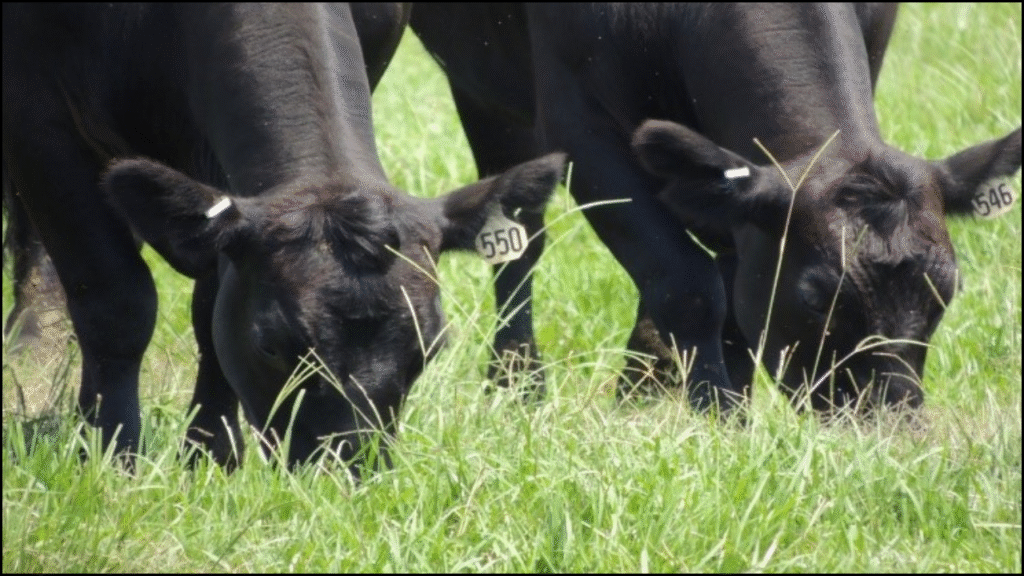
Forage utilization is one of the most crucial components in livestock-based agricultural systems. Grazing management refers to the process of regulating livestock grazing on pastures to ensure optimal forage use, animal performance, and long-term pasture productivity. Proper management helps balance forage growth with animal intake, maintaining a sustainable equilibrium between production and conservation. In regions dependent on natural pastures, effective grazing management ensures that forages are neither underutilized nor overgrazed, thereby promoting both ecological and economic stability.
Table of Contents
Concept Of Grazing Management
- Grazing management involves controlling the timing, frequency, duration, and intensity of grazing to optimize forage availability and regrowth.
- It aims to synchronize animal requirements with pasture growth rates.
- The primary goal is to achieve maximum forage utilization without compromising pasture regeneration or soil health.
- Different systems and strategies are applied based on climate, soil type, forage species, and livestock population.
Objectives Of Grazing Management
- Ensure sustainable forage production across grazing seasons.
- Maintain plant diversity and soil fertility.
- Prevent overgrazing and land degradation.
- Improve livestock nutrition and productivity.
- Optimize land use efficiency and reduce feed costs.
Types Of Grazing Systems
| Grazing System | Description | Advantages | Limitations |
|---|---|---|---|
| Continuous Grazing | Livestock graze a pasture throughout the year without rest periods. | Simple and low-cost management. | Leads to overgrazing and uneven forage use. |
| Rotational Grazing | Pasture is divided into paddocks; animals are rotated between them. | Allows regrowth and uniform grazing. | Requires fencing and water management. |
| Deferred Grazing | Grazing is postponed during active growth to allow seed formation. | Ensures pasture reseeding and regeneration. | Temporary reduction in forage availability. |
| Strip Grazing | Small strips were grazed sequentially with movable fences. | Maximizes forage utilization efficiency. | Labor-intensive and needs close monitoring. |
| Seasonal Grazing | Animals graze based on seasonal pasture availability. | Suited for rainfed and mountainous areas. | Requires feed storage for off-season. |
| Mob Grazing | A Large herd grazes a small area for a short duration. | Promotes soil fertility and uniform trampling. | Needs precise timing and movement control. |
Key Principles Of Grazing Management
- Balance Between Forage Growth and Grazing Pressure: Ensure that grazing intensity matches pasture growth rates.
- Rest Periods: Allow for sufficient regrowth after grazing.
- Stocking Rate Control: Maintain an appropriate number of animals per unit area.
- Uniform Grazing: Prevent selective grazing to maintain plant diversity.
- Water Availability: Ensure accessible and clean water sources within grazing zones.
- Monitoring: Regularly assess pasture conditions and adjust grazing plans accordingly.
Factors Influencing Grazing Efficiency
| Factor | Description | Effect On Forage Utilization |
|---|---|---|
| Forage Species | Grasses vs legumes differ in regrowth capacity. | Determines regrowth rate and palatability. |
| Climatic Conditions | Rainfall, temperature, and sunlight affect pasture productivity. | Influences forage yield and quality. |
| Soil Fertility | Nutrient levels determine growth vigor. | Affects forage biomass and persistence. |
| Animal Type and Size | Cattle, sheep, and goats graze differently. | Impacts grazing height and selectivity. |
| Grazing Pressure | Number of animals per area. | Overpressure causes degradation; underuse causes wastage. |
Importance Of Controlled Grazing
- Prevents degradation of valuable grasslands.
- Maintains adequate ground cover to reduce erosion.
- Promotes uniform manure distribution for soil enrichment.
- Enhances forage quality by maintaining plants in vegetative stages.
- Increases animal weight gain and milk yield through better nutrition.
Rotational Grazing: A Sustainable Practice
- Rotational grazing is one of the most effective methods for optimal forage use.
- It involves dividing pasture into multiple paddocks and allowing animals to graze one while others recover.
- Ideal rotation cycles depend on species: 20–30 days for fast-growing tropical grasses, and 40–60 days for temperate forages.
- Ensures uniform utilization, improves biodiversity, and reduces weed invasion.
Grazing Intensity And Its Effects On Forage Productivity
| Grazing Intensity | Characteristics | Impact On Forage Yield | Impact On Soil Health |
|---|---|---|---|
| Light Grazing | Only top leaves grazed; minimal defoliation. | Moderate yield, healthy regrowth. | Enhances soil cover and fertility. |
| Moderate Grazing | Balanced leaf removal and regrowth. | Optimum yield and nutritive value. | Maintains soil stability. |
| Heavy Grazing | Excessive defoliation without rest. | Reduced yield and regrowth potential. | Leads to erosion and compaction. |
Benefits Of Proper Grazing Management
- Increased Productivity: Enhances total forage yield and quality.
- Improved Forage Utilization: Minimizes wastage and overmature plant growth.
- Enhanced Soil Fertility: Promotes organic matter buildup through manure deposition.
- Weed Control: Healthy pasture growth suppresses invasive species.
- Reduced Feed Costs: Dependence on external feed inputs is minimized.
- Animal Health Improvement: Access to fresh, nutrient-rich forage improves growth performance.
Forage Recovery And Regrowth Management
- Allow rest periods between grazing events to restore carbohydrate reserves.
- Implement rotational grazing to maintain optimal plant height.
- Avoid grazing when the soil is too wet to prevent compaction.
- Apply fertilizers or organic manure after grazing to stimulate regrowth.
- Ensure that plants are not grazed below the critical stubble height (e.g., 5–7 cm for most grasses).
Integrating Grazing With Forage Conservation
- Silage And Haymaking: Preserve excess forage during peak growth for lean seasons.
- Deferred Grazing Areas: Set aside certain sections for future grazing or fodder conservation.
- Legume-Grass Pastures: A combination ensures a continuous supply of quality feed.
- Fodder Banks: Stored fodder supplements natural grazing during drought periods.
Technological Innovations In Grazing Management
- GPS Tracking: Monitors animal movement and pasture use.
- Drones and Remote Sensing: Assess forage biomass and growth conditions.
- Virtual Fencing Systems: Use sensors to guide livestock movement digitally.
- Smart Grazing Software: Predicts optimal grazing times and rest periods.
- IoT-Based Watering Systems: Ensures automatic and efficient water distribution.
Environmental Impacts Of Effective Grazing Management
- Reduced Soil Erosion: Maintains vegetative cover and stabilizes topsoil.
- Carbon Sequestration: Healthy pastures store atmospheric carbon in soil.
- Improved Water Infiltration: Root systems enhance rainwater absorption.
- Biodiversity Conservation: Rotational grazing supports diverse plant species.
- Climate Resilience: Sustainable pastures withstand drought and floods better.
Challenges In Grazing Management
- Limited land availability for pasture rotation.
- Poor infrastructure for fencing and water supply.
- Lack of knowledge on carrying capacity and forage assessment.
- Irregular rainfall is affecting pasture growth.
- Overgrazing pressure in communal lands.
Best Practices For Optimal Forage Utilization
- Conduct forage inventory assessments regularly.
- Determine the carrying capacity before introducing livestock.
- Implement rotational and deferred grazing to balance use and regrowth.
- Encourage mixed pastures with legumes and grasses for improved nutrition.
- Monitor animal weight gain and pasture condition simultaneously.
- Promote community grazing management programs in shared rangelands.
Future Directions For Grazing Management
- Development of climate-adaptive grazing calendars.
- Breeding of stress-tolerant forage species for changing environments.
- Expansion of precision grazing technologies for small-scale farmers.
- Integration of forage-livestock-soil data systems for decision-making.
- Policies to support sustainable rangeland restoration projects.
The Way Forward
Grazing management is a cornerstone of sustainable livestock production and forage conservation. Effective management ensures that forages are optimally utilized while maintaining soil health and biodiversity. Rotational and controlled grazing systems improve productivity, animal performance, and environmental resilience. Integrating modern technologies with traditional practices can further enhance pasture efficiency and sustainability. Balanced grazing systems, guided by science and observation, ensure long-term productivity and ecological harmony in livestock-based agriculture.