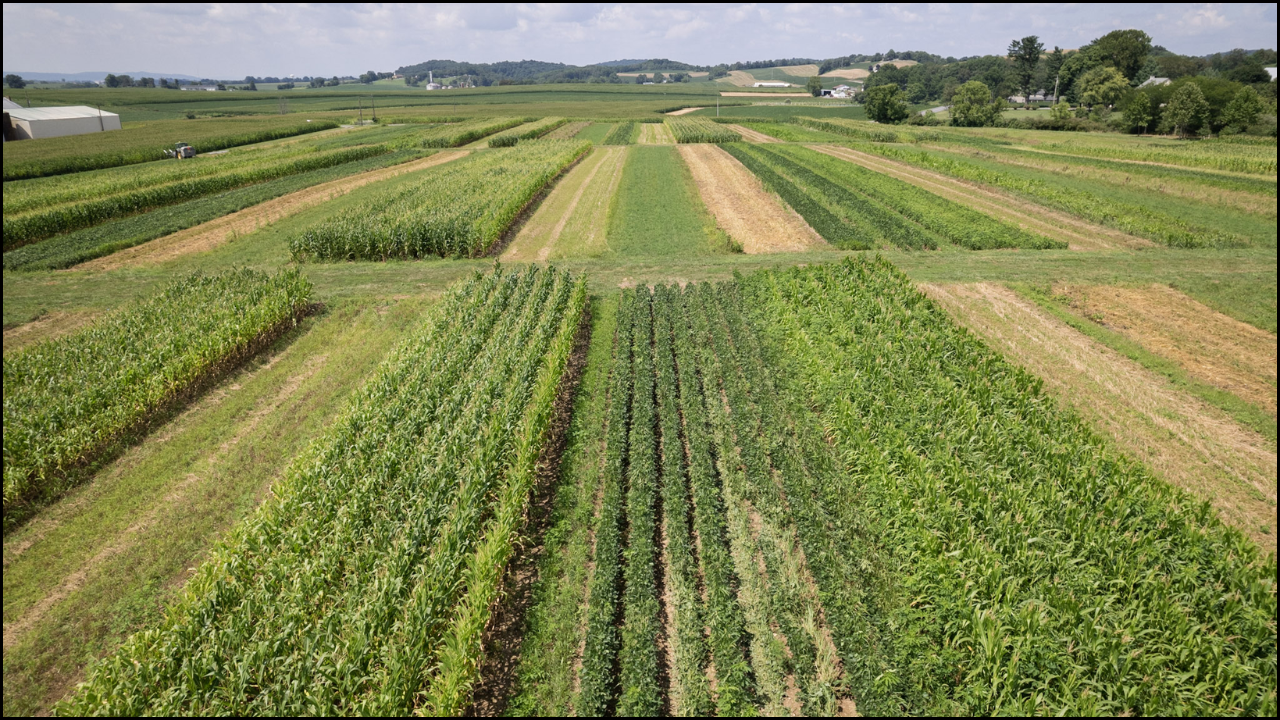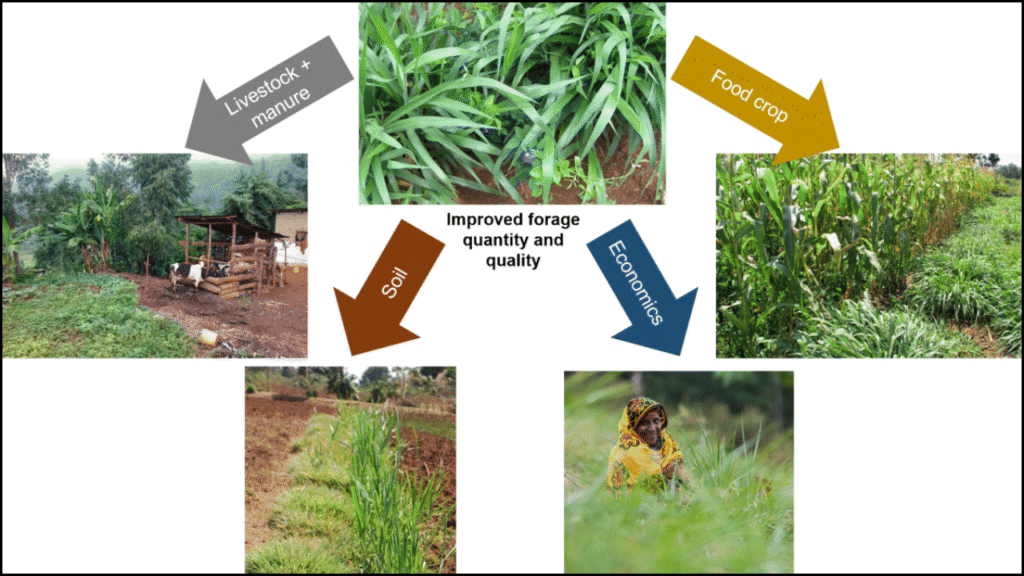
Sustainable livestock production focuses on maintaining animal productivity while ensuring environmental balance, economic viability, and social acceptability. Forage crops play a central role in this system by serving as the primary source of feed for ruminants such as cattle, buffalo, sheep, and goats. Forages not only provide essential nutrients for livestock but also contribute to soil fertility, biodiversity, and ecosystem health. The inclusion of forage crops in farming systems supports sustainable agricultural development by reducing dependency on external feed inputs and promoting efficient resource utilization.
Table of Contents
Definition and Importance of Forage Crops
Forage crops are plants cultivated primarily to feed livestock either as pasture, hay, silage, or green fodder. They include grasses, legumes, and mixed forage species. Their significance extends beyond animal feeding to improving soil health, conserving biodiversity, and reducing greenhouse gas emissions.
Major Types of Forage Crops
| Category | Examples | Feeding Method | Primary Nutrients |
|---|---|---|---|
| Grasses | Napier grass, Guinea grass, Sorghum | Grazing, silage, or cut-and-carry | High in fiber and carbohydrates |
| Legumes | Lucerne, Clover, Stylo, Cowpea | Green fodder, hay, or a mixture with grasses | Rich in protein and minerals |
| Cereal Forages | Maize, Oats, Barley | Silage or fresh feed | Energy-rich forages |
| Tree and Shrub Fodders | Subabul, Gliricidia, Moringa | Lopped leaves as a supplement | High protein and mineral content |
Nutritional Role of Forage Crops in Livestock Feeding
- Source of Energy: Provides carbohydrates required for animal maintenance and production.
- Protein Supply: Leguminous forages contribute essential amino acids for milk and muscle synthesis.
- Fiber Content: Aids digestion and improves rumen function.
- Vitamin and Mineral Source: Supplies calcium, phosphorus, and trace elements essential for growth and reproduction.
- Palatability: Fresh forage encourages higher feed intake compared to dry feed.
Contribution of Forage Crops to Sustainable Livestock Systems
| Sustainability Aspect | Role of Forage Crops |
|---|---|
| Environmental | Improves soil fertility, reduces erosion, and enhances biodiversity |
| Economic | Reduces feed cost and increases profitability |
| Social | Ensures year-round feed availability and food security |
| Animal Welfare | Provides balanced nutrition and reduces stress |
| Climate Resilience | Reduces carbon footprint through carbon sequestration |
1. Environmental Sustainability Through Forage Cultivation
- Soil Fertility Improvement: Legume forages fix atmospheric nitrogen through symbiotic bacteria, enriching soil fertility.
- Erosion Control: Dense root systems prevent soil erosion in hilly or sloping regions.
- Water Conservation: Forage cover reduces evaporation and enhances water infiltration.
- Carbon Sequestration: Deep-rooted grasses capture carbon dioxide, reducing greenhouse gas accumulation.
- Biodiversity Enhancement: Mixed forage systems promote flora and fauna diversity.
2. Economic Benefits for Farmers
- Reduced Feed Cost: On-farm forage production lowers dependence on commercial feeds.
- Higher Animal Productivity: Quality forage enhances milk yield, weight gain, and reproduction efficiency.
- Income Stability: Continuous forage availability ensures consistent animal output throughout the year.
- Value Addition: Surplus forage can be processed into hay or silage and sold commercially.
- Low Input Requirement: Minimal fertilizer and pesticide use compared to commercial feed crops.
3. Forage-Livestock Integration for System Efficiency
Integrated crop–livestock systems ensure efficient nutrient cycling and resource utilization.
- Nutrient Recycling: Animal manure enriches soil organic matter, supporting continuous crop growth.
- Land Utilization: Marginal and degraded lands can be used for forage cultivation.
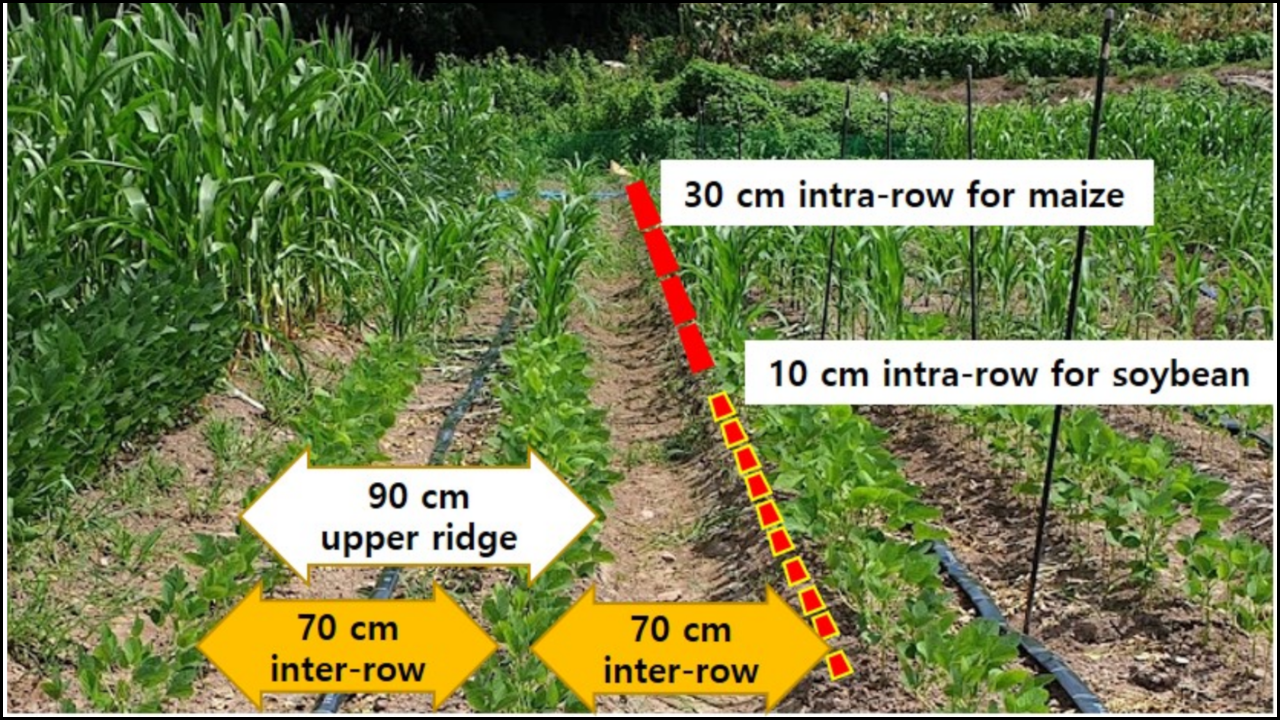
- Rotation and Intercropping: Combining forages with cereals improves land productivity and reduces pest pressure.
- Energy Efficiency: Reduces the transportation energy needed for external feed procurement.
4. Forage Legumes and Their Role in Sustainability
| Forage Legume | Scientific Name | Main Benefit | Additional Contribution |
|---|---|---|---|
| Lucerne (Alfalfa) | Medicago sativa | High protein content | Enhances soil nitrogen level |
| Clover | Trifolium spp. | Improves milk yield | Increases soil organic matter |
| Stylo | Stylosanthes guianensis | Drought resistant | Provides year-round fodder |
| Cowpea | Vigna unguiculata | Quick-growing legume | Suitable for intercropping |
| Desmanthus | Desmanthus virgatus | Adaptable to dry regions | Controls soil erosion |
5. Role of Forages in Reducing Environmental Impact of Livestock
- Methane Emission Reduction: Quality forages improve digestibility, reducing methane output per unit of product.
- Manure Management: Forage-based diets produce less odorous manure, improving sanitation.
- Pasture Regeneration: Proper grazing management promotes grass regrowth and soil health.
- Reduced Dependence on Imported Feed: Lowers transport emissions and enhances local sustainability.
- Climate Adaptation: Drought-tolerant species ensure forage supply during adverse conditions.
6. Contribution to Animal Health and Productivity
- Balanced Diet Supply: Ensures adequate protein, energy, and mineral intake.
- Disease Resistance: Well-fed animals develop stronger immunity.
- Reproductive Efficiency: Proper nutrition enhances fertility and reduces calving interval.
- Milk and Meat Quality: Improves fat content, taste, and nutrient density of animal products.
- Digestive Health: Fiber content supports healthy rumen microbial balance.
7. Silage and Haymaking for Feed Security
Preservation of forage as silage or hay ensures a year-round feed supply.
| Preservation Method | Key Forage Crops Used | Advantages |
|---|---|---|
| Silage | Maize, Sorghum, Napier grass | High-energy feed for dairy animals |
| Hay | Lucerne, Oats, Cowpea | Long-term storage and easy transport |
| Haylage | Grass-legume mixtures | Maintains nutrient quality in humid regions |
8. Forage Crop Mixtures for Enhanced Yield and Nutrition
Combining grasses and legumes increases overall yield and nutrient quality.
| Forage Mixture | Advantages |
|---|---|
| Napier + Desmanthus | High biomass and balanced protein |
| Maize + Cowpea | Enhanced digestibility and nitrogen content |
| Guinea Grass + Stylo | Year-round productivity under tropical conditions |
| Oats + Berseem | High-quality winter fodder |
9. Challenges in Forage-Based Sustainable Systems
- Seasonal Variability: Forage production depends on rainfall and temperature.
- Land Competition: Forage cultivation may compete with food crops.
- Storage and Preservation Issues: Inadequate infrastructure limits silage/hay production.
- Pest and Disease Incidence: Some forage species are prone to fungal and pest attacks.
- Lack of Awareness: Many smallholders lack knowledge about improved forage varieties and management.
10. Strategies to Promote Forage-Based Sustainability
- Adoption of Improved Varieties: Use of high-yield, disease-resistant forage species.
- Irrigation and Fertility Management: Ensures consistent forage availability.
- Grazing Management Practices: Rotational grazing prevents overgrazing.
- Training and Extension Programs: Farmer education enhances the adoption of sustainable practices.
- Research and Policy Support: Government incentives for integrated forage-livestock systems.
Case Example: Lucerne-Based Dairy Production in India
- Lucerne-based feeding in dairy farms has improved milk yield by 15–20% compared to conventional feeding.
- Soil nitrogen content increased significantly, reducing fertilizer use by 25%.
- Livestock health and reproductive performance improved due to better nutrition and balanced forage quality.
Future Prospects of Forage Crops in Sustainable Livestock Production
- Climate-Resilient Forage Development: Breeding of drought and heat-tolerant varieties.
- Precision Forage Management: Use of technology for optimal harvest and nutrient monitoring.
- Integration with Agroforestry Systems: Combining trees and forages enhances land productivity.
- Organic Livestock Systems: Forages serve as natural feed for organic dairy and meat production.
- Carbon Credit Opportunities: Forage systems with high carbon sequestration potential contribute to global climate goals.
Closing Reflections
Forage crops form the foundation of sustainable livestock production systems by ensuring a reliable, affordable, and nutritious feed source. Their multifaceted benefits extend to environmental protection, animal welfare, and farm profitability. Incorporating diverse forage species, managing them efficiently, and integrating them into broader farming systems can create resilient and eco-friendly livestock enterprises. The promotion of forage-based feeding strategies will continue to play a vital role in achieving sustainable agricultural growth and global food security.