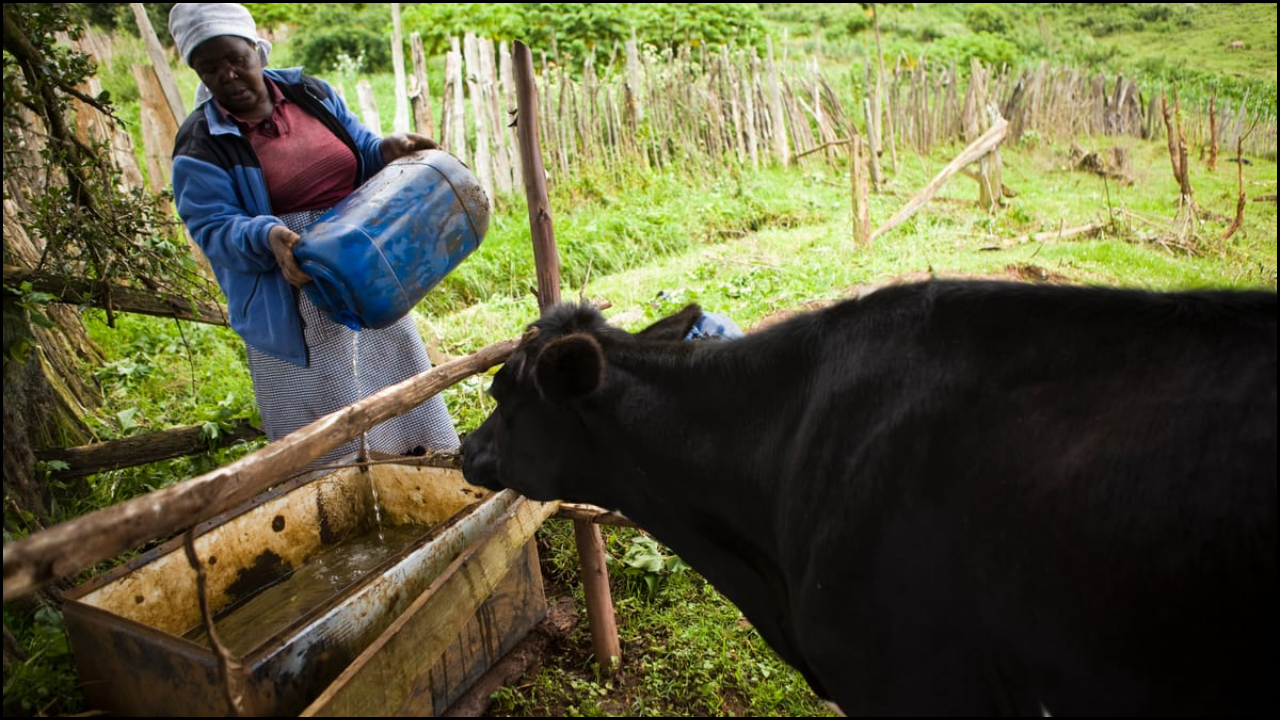
Livestock nutrition plays a critical role in animal health, productivity, and product quality. In recent years, the use of medicinal plants as natural feed additives has gained considerable attention as an alternative to synthetic antibiotics and growth promoters. Medicinal plants contain bioactive compounds such as flavonoids, tannins, alkaloids, saponins, and essential oils that promote digestion, boost immunity, and enhance overall animal performance. Their incorporation into livestock feed contributes not only to sustainable animal production but also to safer, residue-free meat and milk. The utilization of medicinal plants represents a cost-effective and eco-friendly approach for maintaining livestock health while minimizing the environmental impact of chemical feed additives.
Table of Contents
Importance of Medicinal Plants in Animal Nutrition
Natural Alternative to Antibiotics: Help control microbial infections without contributing to antimicrobial resistance.
Immune System Enhancement: Bioactive compounds strengthen the immune response.
Improved Feed Efficiency: Promote digestion and nutrient absorption.
Health Maintenance: Prevent diseases, reduce oxidative stress, and enhance gut health.
Sustainability: Locally available plants reduce dependency on imported chemical additives.
Mechanisms Through Which Medicinal Plants Enhance Livestock Performance
Modulation of Gut Microflora: Promotes beneficial bacteria and suppresses harmful pathogens.
Improved Nutrient Utilization: Enhances enzyme secretion and digestion efficiency.
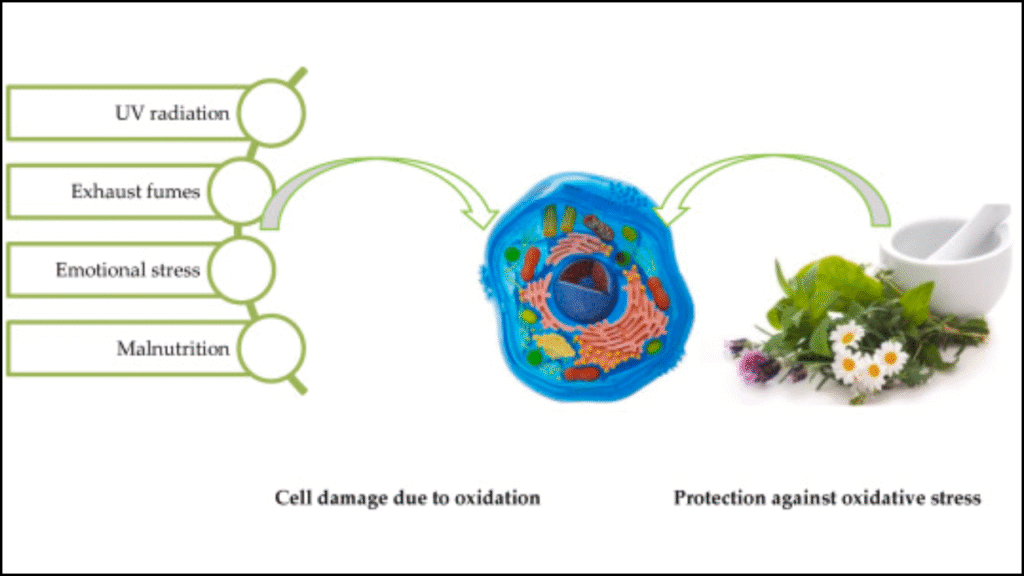
Reduction in Oxidative Stress: Antioxidants protect cells from free radical damage.
Enhanced Immune Function: Stimulates production of antibodies and immune cells.
Antiparasitic and Antibacterial Actions: Controls intestinal worms and bacterial infections naturally.
Better Metabolic Regulation: Bioactive compounds improve metabolism and energy use.
Impact on Different Livestock Categories
Animal Type
Commonly Used Medicinal Plants
Observed Benefits
Cattle
Neem, Turmeric, Garlic
Improved milk yield, better rumen function
Goats
Tulsi, Moringa, Ginger
Enhanced immunity and growth performance
Poultry
Garlic, Lemongrass, Fenugreek
Increased egg production and disease resistance
Sheep
Aloe Vera, Turmeric, Neem
Better digestion and parasite control
Pigs
Ginger, Turmeric, Moringa
Improved feed conversion and gut health
Effects on Feed Conversion Efficiency (FCE) and Growth Rate
Feed Additive
Animal Type
FCE Improvement (%)
Growth Rate Increase (%)
Remarks
Garlic Extract
Poultry
10–12
8–10
Reduced gut pathogens
Moringa Leaf Powder
Goats
8–10
7–9
High protein and mineral content
Turmeric Powder
Dairy Cattle
6–8
5–7
Enhanced digestion and immunity
Fenugreek Seeds
Poultry
7–9
6–8
Increased feed intake
Neem Leaf Powder
Sheep
5–7
4–6
Antiparasitic and detoxifying properties
Health and Disease Control Benefits
Antimicrobial Activity: Many medicinal plants suppress pathogens like E. coli, Salmonella, and Staphylococcus.
Antioxidant Effects: Prevent lipid oxidation in tissues and milk, enhancing product quality.
Anti-inflammatory Role: Reduces inflammation, especially in heat-stressed animals.
Antiparasitic Properties: Neem and garlic help control intestinal and external parasites naturally.
Liver Protection: Curcumin and flavonoids support liver detoxification and enzyme balance.
Impact on Milk and Meat Quality
Enhanced Milk Composition: Higher fat, protein, and total solids content.
Reduced Somatic Cell Count: Indicates better udder health in dairy animals.
Improved Meat Flavor and Shelf Life: Antioxidants delay spoilage and rancidity.
Lower Residues: Absence of antibiotic residues promotes consumer safety.
Natural Color and Aroma: Bioactive compounds enhance the sensory quality of animal products.
Environmental and Economic Advantages
Reduced Antibiotic Usage: Minimizes the development of resistant microbial strains.
Lower Production Cost: Local availability reduces feed additive expenses.
Eco-Friendly: Biodegradable and sustainable alternative to chemical additives.
Improved Soil Fertility: Residues from plant-based feed improve manure quality.
Enhanced Market Value: Natural livestock products fetch premium prices due to health-conscious consumers.
Challenges in the Utilization of Medicinal Plants
Variability in Plant Composition: Differences in soil, climate, and harvest time affect efficacy.
Dosage Standardization: Overuse can lead to reduced palatability or toxicity.
Storage Stability: Active compounds may degrade under poor storage conditions.
Processing Limitations: Drying, grinding, or extraction methods can alter effectiveness.
Scientific Validation: More research is needed to establish precise feeding guidelines.
Strategies to Enhance Effectiveness
Proper Dosage Management: Follow recommended inclusion levels (0.5–2% of total feed).
Combination Formulations: Mixing different plant extracts enhances synergistic effects.
Processing Improvements: Encapsulation or drying methods preserve bioactivity.
Periodic Feeding: Rotational use prevents feed refusal and maintains efficacy.
Quality Control: Use of authenticated plant sources ensures safety and consistency.
Case Example: Garlic and Turmeric in Dairy Cattle Feed
A study found that feeding garlic (1%) and turmeric (0.5%) powder improved milk yield by 12–15% and reduced methane emission by 10%.
Cattle exhibited better digestion and disease resistance without antibiotic support.
Milk fat content increased from 3.8% to 4.2%, and shelf life improved due to antioxidant action.
Future Prospects of Medicinal Plant Use in Livestock Nutrition
Development of Phytogenic Feed Formulations: Commercial herbal additives for specific livestock needs.
Integration with Probiotics and Enzymes: Enhances digestive and immune efficiency.
Precision Feeding Systems: Use of data-driven models to optimize dosage and combination.
Global Adoption: Promotion of herbal feed systems for organic livestock farming.
Research Expansion: Further exploration of underutilized native medicinal plants.
The Bottom Line
Medicinal plants offer an innovative and sustainable solution to improving livestock nutrition and health. Their bioactive compounds enhance feed efficiency, support immunity, and improve the quality of animal products without relying on synthetic additives. Incorporating medicinal plants into feed promotes ecological balance, reduces antibiotic use, and ensures safe and high-quality animal products for consumers. Continued research, standardization, and farmer awareness will strengthen their role as vital components in modern livestock feeding systems aimed at achieving sustainable and eco-friendly animal production.
She is a creative and dedicated content writer who loves turning ideas into clear and engaging stories. She writes blog posts and articles that connect with readers. She ensures every piece of content is well-structured and easy to understand. Her writing helps our brand share useful information and build strong relationships with our audience.