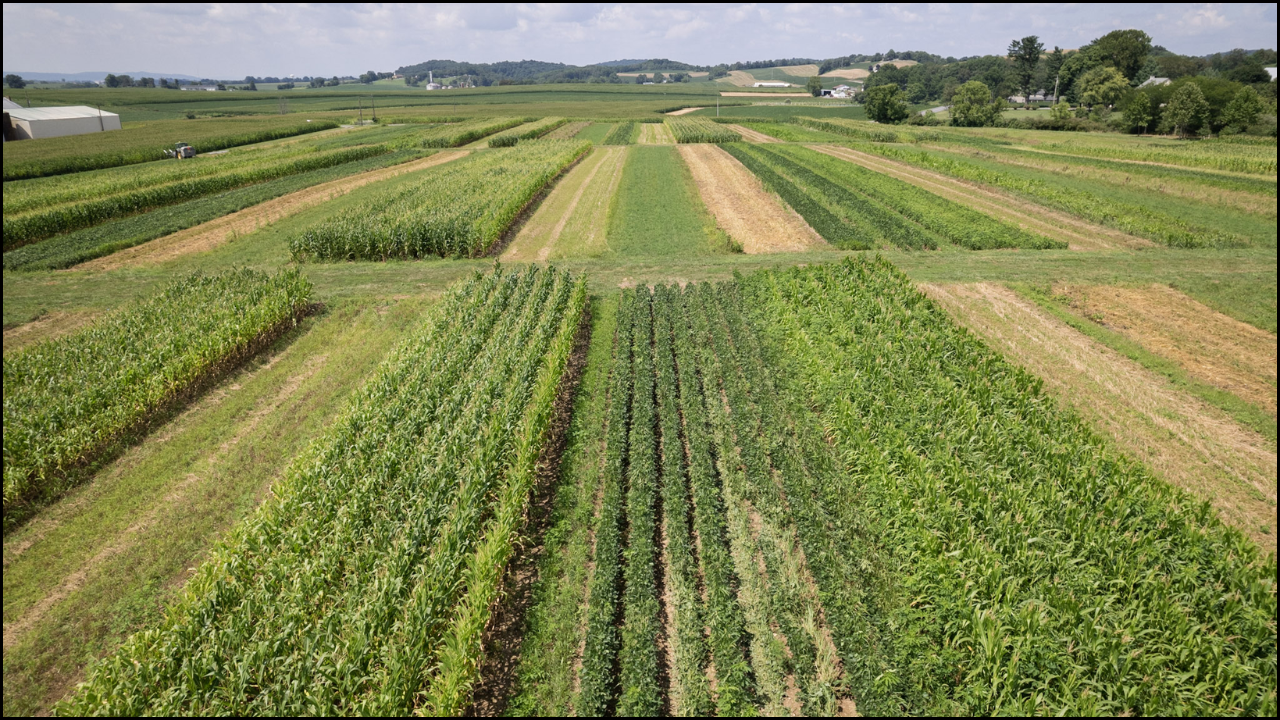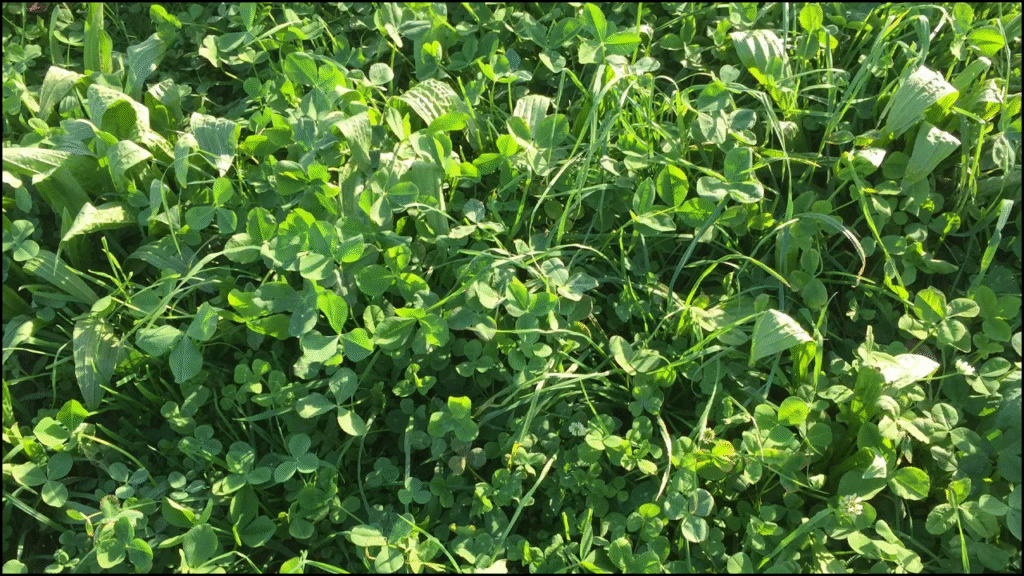
Forage yield and quality are crucial components of sustainable livestock production. The integration of legumes with grasses has emerged as a highly effective approach to improving both productivity and soil health. Legume-grass mixtures combine the complementary traits of both species—grasses provide high biomass yield and structural support, while legumes enhance protein content and enrich the soil with biologically fixed nitrogen. The impact of such mixtures extends beyond yield improvement; it contributes to long-term soil fertility, ecological balance, and better utilization of natural resources.
Table of Contents
Importance of Legume-Grass Mixtures
- Nutrient Enhancement: Legumes fix atmospheric nitrogen through symbiotic relationships with rhizobia, enriching the soil for grasses.
- Sustainable Forage Production: Reduced dependency on synthetic fertilizers lowers environmental pollution.
- Improved Forage Quality: Balanced protein and fiber content support animal health and productivity.
- Enhanced Soil Structure: Root systems of legumes and grasses together improve aeration and water infiltration.
- Increased Biodiversity: Mixed systems encourage beneficial microorganisms and pollinators.
Mechanisms Through Which Legume-Grass Mixtures Improve Yield
- Nitrogen Fixation: Legumes convert atmospheric nitrogen into plant-available forms, benefiting companion grasses.
- Resource Complementarity: Differences in root depth and nutrient uptake patterns allow efficient resource utilization.
- Canopy Management: Legumes improve light penetration and microclimate conditions for grasses.
- Weed Suppression: Dense canopy of mixed stands reduces weed emergence.
- Resilience to Stress: Mixtures show better tolerance to drought and pests compared to monocultures.
Commonly Used Legume-Grass Mixtures
| Legume Species | Grass Species | Suitable Climate | Benefits |
|---|---|---|---|
| Desmodium intortum | Napier Grass (Pennisetum purpureum) | Tropical and Subtropical | Enhances protein content and nitrogen levels |
| Stylosanthes guianensis | Guinea Grass (Panicum maximum) | Humid Tropical | Improves palatability and supports regrowth |
| Trifolium repens (White Clover) | Perennial Ryegrass (Lolium perenne) | Temperate | Provides high digestibility and persistence |
| Medicago sativa (Alfalfa) | Timothy Grass (Phleum pratense) | Cool and Semi-Arid | Increases forage energy and mineral value |
| Vigna unguiculata (Cowpea) | Cenchrus ciliaris (Buffel Grass) | Arid and Semi-Arid | Enhances drought tolerance and yield stability |
| Lablab purpureus (Hyacinth Bean) | Bermudagrass (Cynodon dactylon) | Tropical | Improves dry matter yield and crude protein content |
Forage Yield Comparison Between Monocultures and Mixtures
| System Type | Average Dry Matter Yield (t/ha/year) | Crude Protein (%) | Nitrogen Use Efficiency | Remarks |
|---|---|---|---|---|
| Grass Monoculture | 10–12 | 8–10 | Low | Limited by soil nitrogen availability |
| Legume Monoculture | 8–10 | 14–18 | Moderate | High protein but lower total biomass |
| Legume-Grass Mixture | 14–18 | 12–15 | High | Balanced yield, improved soil fertility |
Nutritional Advantages of Legume-Grass Mixtures
- Increased Protein Levels: Legumes contribute additional nitrogen, enhancing amino acid availability.
- Improved Digestibility: Legume leaves have lower fiber content, making the mixture more palatable.
- Balanced Energy-Protein Ratio: Grass provides carbohydrates, while legumes supply proteins for better feed efficiency.
- Higher Mineral Content: Mixtures often show increased calcium, phosphorus, and magnesium levels.
- Enhanced Voluntary Intake: Livestock prefer mixed forage due to diverse texture and flavor.
Soil Fertility and Environmental Benefits
- Nitrogen Enrichment: Legumes can fix up to 300 kg N/ha/year, reducing fertilizer requirements.
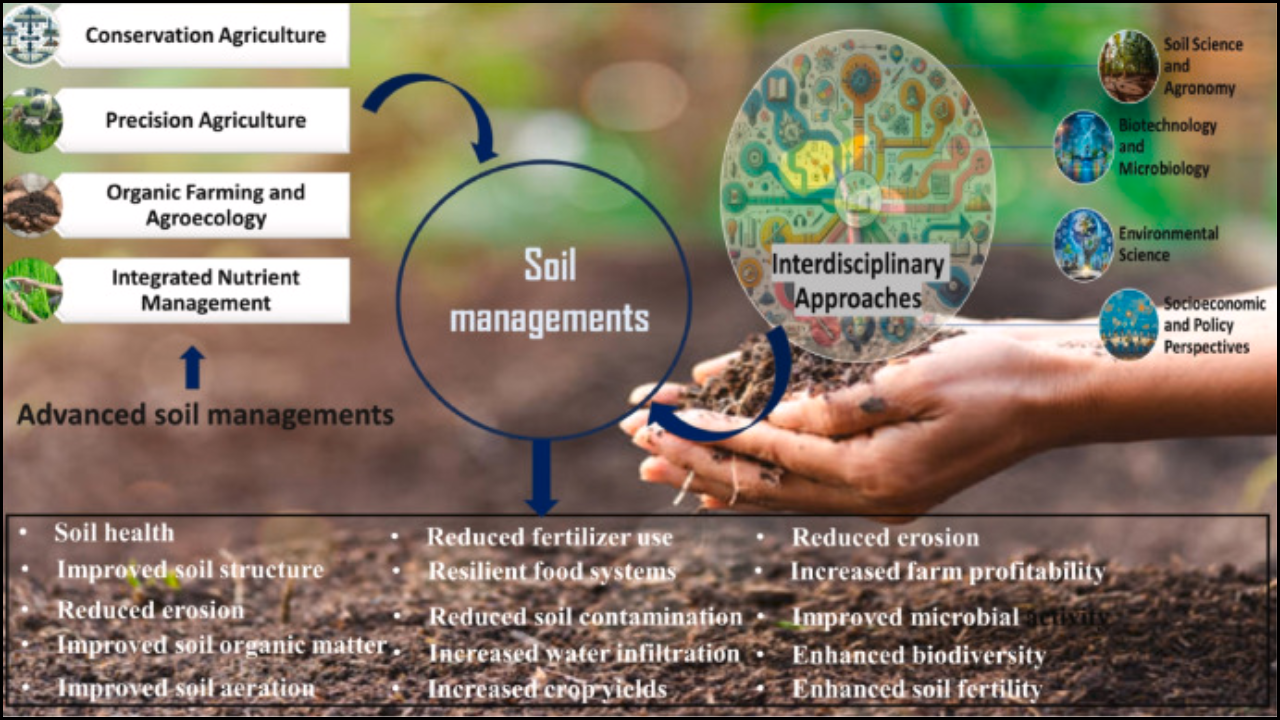
- Soil Structure Improvement: Deep-rooted species enhance porosity and organic matter accumulation.
- Carbon Sequestration: Combined root biomass aids in carbon storage, mitigating greenhouse gas emissions.
- Reduced Erosion: Dense vegetative cover protects soil from wind and water erosion.
- Biodiversity Promotion: Legume-grass systems support beneficial soil microbes and arthropods.
Growth and Competition Dynamics in Mixtures
- Complementary Growth Patterns: Grasses and legumes utilize different soil layers for nutrients.
- Light and Water Use Efficiency: Legumes often have lower canopy height, allowing grasses better access to sunlight.
- Competition Management: Appropriate seeding ratios maintain a balance between components.
- Periodic Fertilization: Targeted nutrient application supports both legume nodulation and grass vigor.
Influence of Mixture Ratios on Yield Performance
| Legume: Grass Ratio | Total Biomass Yield (t/ha) | Crude Protein (%) | Observation |
|---|---|---|---|
| 25:75 | 12–14 | 10–12 | High grass dominance, moderate nitrogen contribution |
| 50:50 | 14–17 | 12–15 | Balanced productivity and forage quality |
| 75:25 | 11–13 | 14–17 | Protein-rich but lower total yield due to legume competition |
Management Practices to Optimize Forage Yield
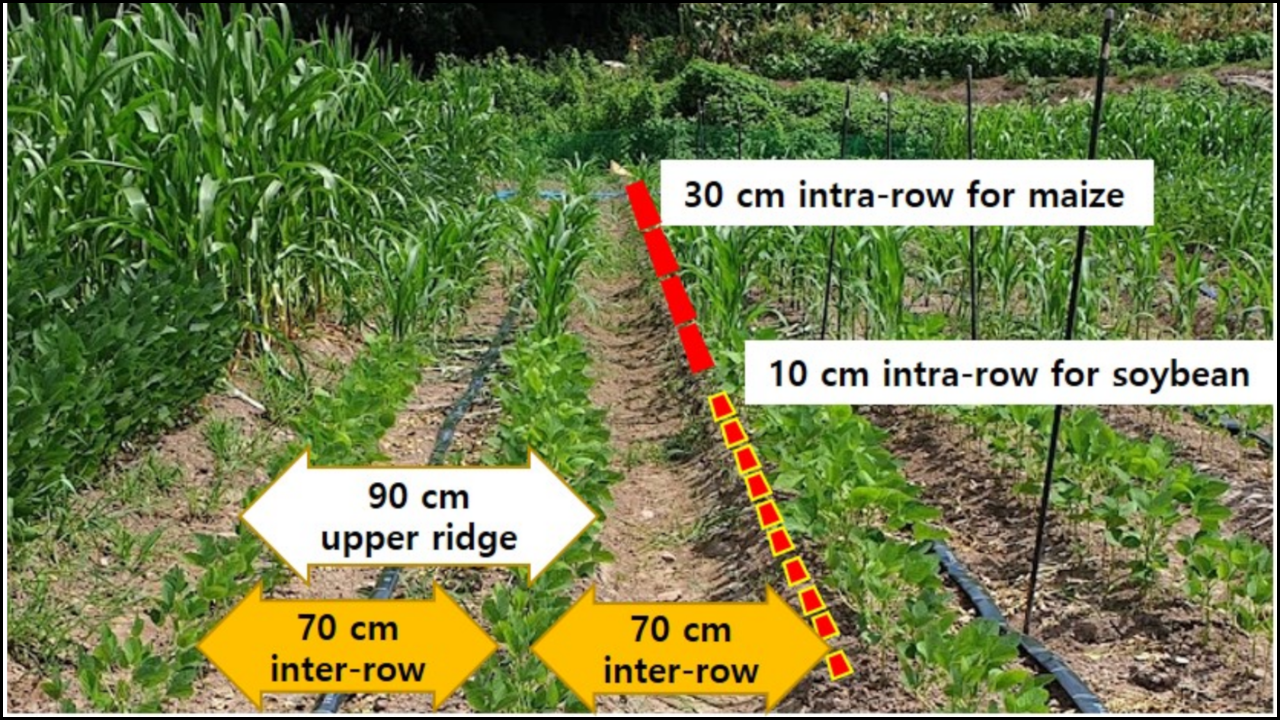
- Proper Seeding Techniques: Uniform distribution ensures balanced establishment.
- Timely Harvesting: Harvesting at the pre-flowering stage maintains nutrient concentration.
- Controlled Grazing: Rotational grazing avoids overgrazing and supports regrowth.
- Irrigation Scheduling: Consistent moisture supply improves nitrogen fixation efficiency.
- Soil pH Management: Legumes perform better in slightly acidic to neutral soils (pH 6–7).
- Inoculation of Legume Seeds: Application of rhizobium inoculants enhances nitrogen fixation.
Livestock Productivity Benefits
- Higher Milk Yield: Improved protein intake supports milk synthesis.
- Better Weight Gain: Balanced nutrition accelerates muscle development in cattle and goats.
- Enhanced Reproductive Performance: Sufficient nutrients support fertility and calving intervals.
- Improved Animal Health: Mineral-rich mixtures reduce disease susceptibility.
Economic and Environmental Sustainability
- Reduced Input Costs: Lower reliance on chemical fertilizers decreases expenditure.
- Long-Term Productivity: Enhanced soil fertility ensures continued yield over multiple seasons.
- Adaptability: Mixtures perform well under varying climatic and soil conditions.
- Climate Mitigation: Efficient nitrogen cycling and reduced emissions support eco-friendly farming.
Case Example: Napier-Desmodium System
- Studies have shown that Napier grass mixed with Desmodium can increase forage yield by up to 30–40% compared to Napier alone.
- Crude protein levels rise from 9–11% in monoculture to 13–15% in the mixed system.
- Soil nitrogen levels remain higher even after several harvests, improving long-term productivity.
Moving Forward
Legume-grass mixtures represent a practical and sustainable solution for enhancing forage yield and quality. The synergy between legumes’ nitrogen fixation ability and grasses’ high biomass production creates a balanced and resilient system. Proper management of species combinations, seeding ratios, and harvesting schedules ensures maximum benefits for both livestock and soil health. By adopting these integrated systems, farmers can achieve sustainable forage production while maintaining ecological balance and reducing dependency on external inputs.