Soil fertility and crop yield form the foundation of sustainable agriculture. In modern farming, continuous monocropping often leads to nutrient depletion, pest buildup, and reduced productivity. Crop rotation, an age-old yet scientifically proven practice, helps maintain soil health and enhance yield stability. By growing different types of crops sequentially on the same field, farmers can balance nutrient use, break pest cycles, and improve soil structure. The following content explains how crop rotation influences soil fertility, nutrient dynamics, and overall yield performance in agricultural systems.
Table of Contents
Meaning and Concept of Crop Rotation
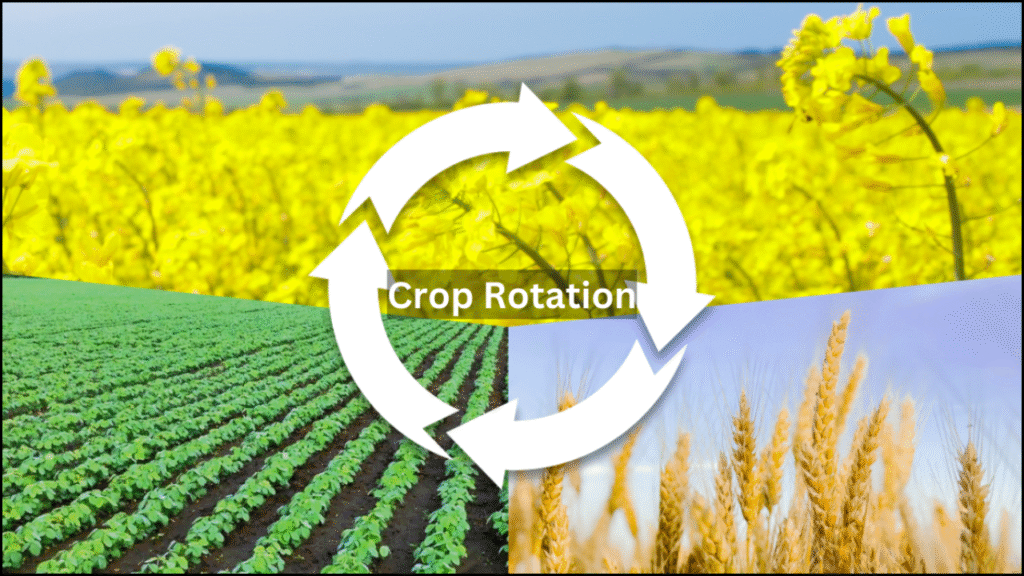
Crop rotation refers to the systematic cultivation of different crops on the same land in a planned sequence over seasons or years.
The purpose is to improve soil fertility, control pests, and maintain ecological balance.
Rotation pattern often includes cereals, legumes, oilseeds, and root crops to utilize and replenish soil nutrients efficiently.
Aspect
Description
Definition
The practice of growing different crops in succession on the same land.
Duration
The duration may range from two to four years, depending on crop type.
Role of Crop Rotation in Soil Fertility Improvement
Nutrient recycling through deep-rooted and shallow-rooted crops enhances soil nutrient balance.
Leguminous crops like peas, beans, and lentils fix atmospheric nitrogen, enriching soil nitrogen content.
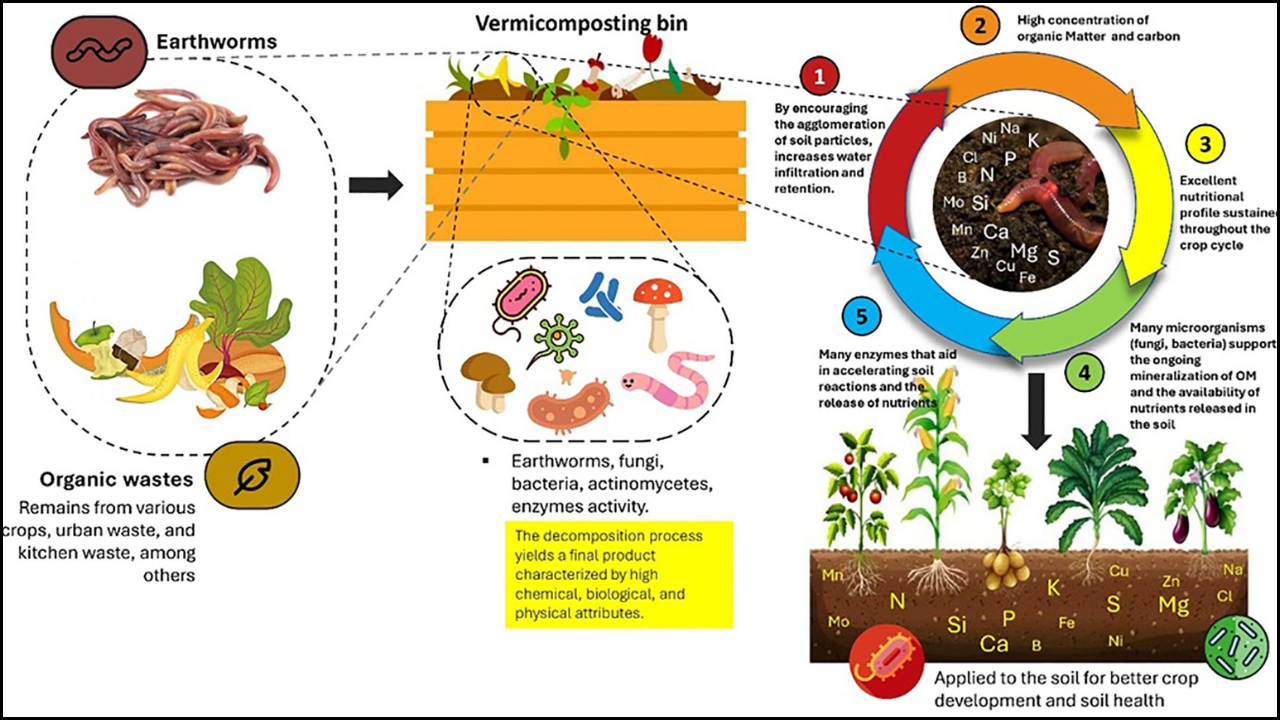
Organic matter addition from crop residues increases microbial activity and improves soil texture.
Improved soil structure allows better aeration, water infiltration, and root penetration.
Reduced dependency on chemical fertilizers supports long-term soil sustainability.
Process
Effect on Soil Fertility
Nitrogen Fixation
Legume crops add nitrogen to the soil through symbiotic bacteria.
Nutrient Recycling
Alternating crops utilizes and restores different nutrients.
Organic Matter Addition
Crop residues decompose and enrich soil humus.
Soil Microbial Activity
Diverse crops support a healthy microbial ecosystem.
Erosion Control
Cover crops protect the soil from wind and water erosion.
Impact on Soil Physical and Chemical Properties
Soil texture improvement occurs due to varied root systems that prevent compaction.
Enhanced water-holding capacity results from organic residue decomposition.
Balanced pH levels are maintained when deep-rooted crops bring minerals to the surface.
Reduced salinity is achieved by alternating salt-tolerant and salt-sensitive crops.
Better nutrient availability supports uniform plant growth and yield.
Soil Property
Effect of Crop Rotation
Structure
Improved through diverse root systems.
Moisture Retention
Enhanced by organic matter buildup.
pH Balance
Stabilized through crop diversification.
Nutrient Content
Increased due to recycling and fixation.
Salinity Level
Decreased with proper crop sequencing.
Pest and Disease Management Through Rotation
Breaks pest cycles by removing host crops for specific insects and pathogens.
Reduces disease pressure in fields affected by soil-borne fungi or bacteria.
Encourages natural pest control through habitat diversity for beneficial insects.
Minimizes pesticide dependence, reducing production costs and environmental harm.
Maintains soil biological balance by preventing pathogen accumulation.
Pest/Disease Issue
Crop Rotation Effect
Root Rot in Legumes
Controlled by rotating with cereals.
Nematode Infestation
Reduced by planting non-host crops.
Fungal Wilt
Lowered by alternating susceptible and resistant crops.
Aphid Attack
Diminished due to disrupted food sources.
Weed Growth
Suppressed by varying crop canopy structures.
Effect of Crop Rotation on Crop Yield
Yield stability increases because soil nutrients remain balanced throughout the rotation cycle.
Improved root development in fertile and aerated soil leads to higher nutrient uptake.
Enhanced moisture availability during dry periods ensures continuous growth.
Reduction in disease incidence results in healthy crops with better productivity.
Increased grain quality due to balanced nutrient absorption and reduced chemical stress.
Rotation Example
Yield Improvement Observed
Wheat–Legume Rotation
15–25% increase due to nitrogen fixation.
Maize–Pulses Rotation
10–20% higher yield stability.
Rice–Mustard Rotation
Improved soil structure and 18% more grain output.
Cotton–Wheat Rotation
Better nutrient balance and higher water-use efficiency.
Vegetable–Cereal Rotation
Reduced pest pressure and increased productivity.
Nutrient Dynamics and Soil Microbial Activity
Microbial diversity increases with different crop residues feeding various microorganisms.
Nitrogen cycle enhancement occurs through legume-bacteria interactions.
Phosphorus availability improves due to root exudates that mobilize nutrients.
The decomposition rate of organic material accelerates, releasing nutrients gradually.
Symbiotic relationships between plants and soil microbes strengthen nutrient cycling efficiency.
Nutrient Element
Effect of Crop Rotation
Nitrogen (N)
Enriched through legumes and microbial fixation.
Phosphorus (P)
Mobilized by root activity and microbial decomposition.
Potassium (K)
Balanced by alternating deep and shallow-rooted crops.
Calcium (Ca)
Improved through residue incorporation.
Organic Carbon
Increased by biomass return and humus formation.
Economic and Environmental Benefits
Lower input costs due to reduced fertilizer and pesticide use.
Higher profit margins from improved yield and quality.
Conservation of natural resources through efficient nutrient use.
Reduced greenhouse gas emissions from minimal chemical applications.
Enhanced biodiversity within the farm ecosystem.
Benefit Type
Specific Outcome
Economic
Increased profitability and reduced production costs.
Environmental
Improved soil health and reduced pollution.
Social
Sustainable food production for local communities.
Long-term Productivity
Maintained through balanced resource use.
Climate Adaptation
Greater resilience against weather fluctuations.
Challenges in Implementing Crop Rotation
Limited awareness among small-scale farmers about long-term benefits.
Market constraints for diversified crops reduce profitability.
Lack of technical guidance on effective rotation sequences.
Short-term focus on cash crops discourages balanced rotation.
Insufficient policy support for sustainable farming initiatives.
Challenge
Impact on Implementation
Knowledge Gap
Farmers may not adopt rotations effectively.
Market Limitation
Reduced demand for non-commercial crops.
Labor Requirement
Additional management needed for diverse crops.
Economic Pressure
Immediate profit preference over sustainability.
Policy Gaps
Lack of incentives for rotation-based systems.
Best Crop Rotation Combinations for Fertility and Yield
Cereal–Legume Rotation: Improves nitrogen content and boosts yield.
Cereal–Oilseed Rotation: Enhances soil structure and nutrient balance.
Vegetable–Pulses Rotation: Reduces pest pressure and improves organic matter.
Fodder–Grain Rotation: Promotes moisture conservation and soil aeration.
Cover Crop–Cash Crop Rotation: Enriches soil and reduces erosion.
Rotation Type
Key Benefit
Cereal–Legume
Nitrogen enrichment and yield improvement.
Cereal–Oilseed
Balanced nutrient cycling.
Vegetable–Pulse
Organic matter addition and pest control.
Fodder–Grain
Improved soil aeration and structure.
Cover–Cash Crop
Moisture retention and erosion control.
Final Thoughts
Crop rotation remains a vital practice for maintaining soil fertility and maximizing crop yield. Balanced nutrient cycling, pest control, and improved soil structure make it an environmentally sustainable and economically viable approach. Integrating scientific knowledge with traditional practices can help farmers achieve long-term productivity without degrading soil health. Through proper planning and policy support, crop rotation can ensure sustainable agriculture for future generations.
She is a creative and dedicated content writer who loves turning ideas into clear and engaging stories. She writes blog posts and articles that connect with readers. She ensures every piece of content is well-structured and easy to understand. Her writing helps our brand share useful information and build strong relationships with our audience.