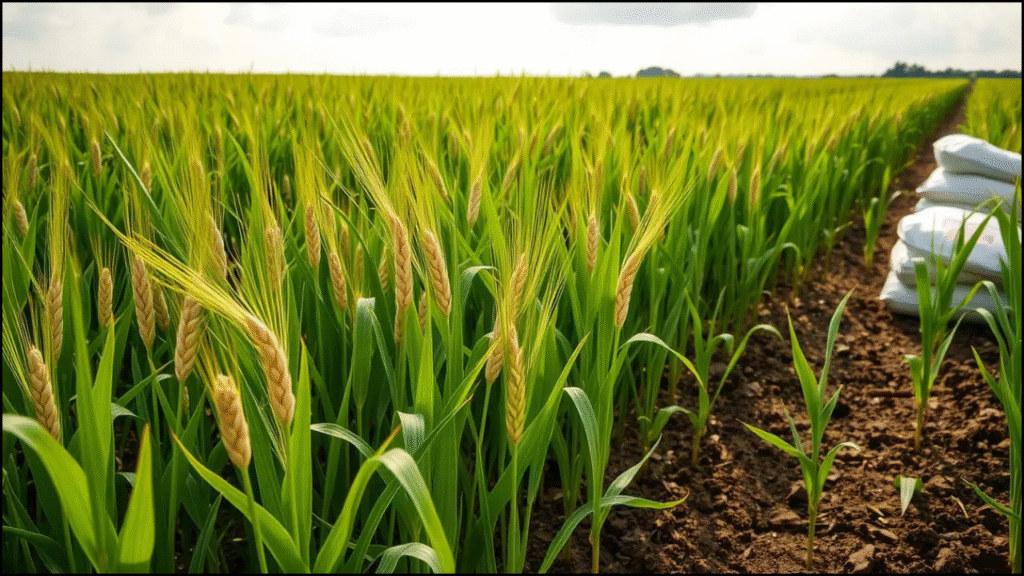
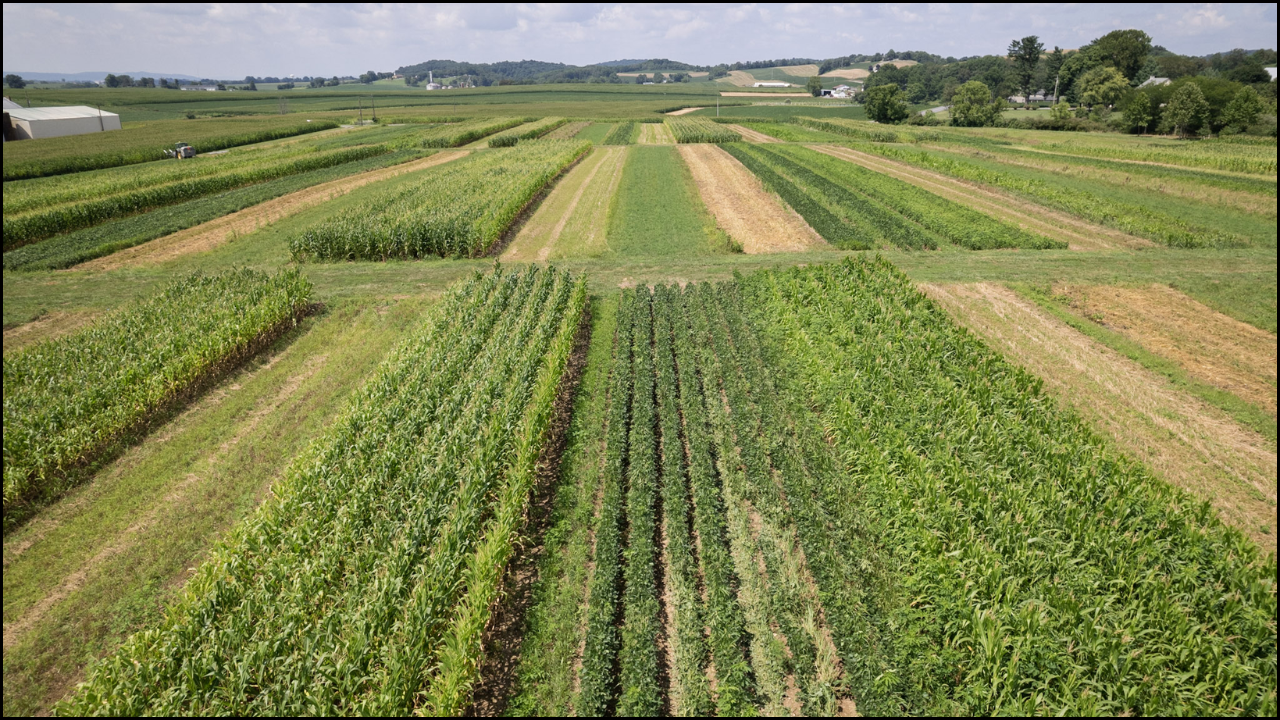
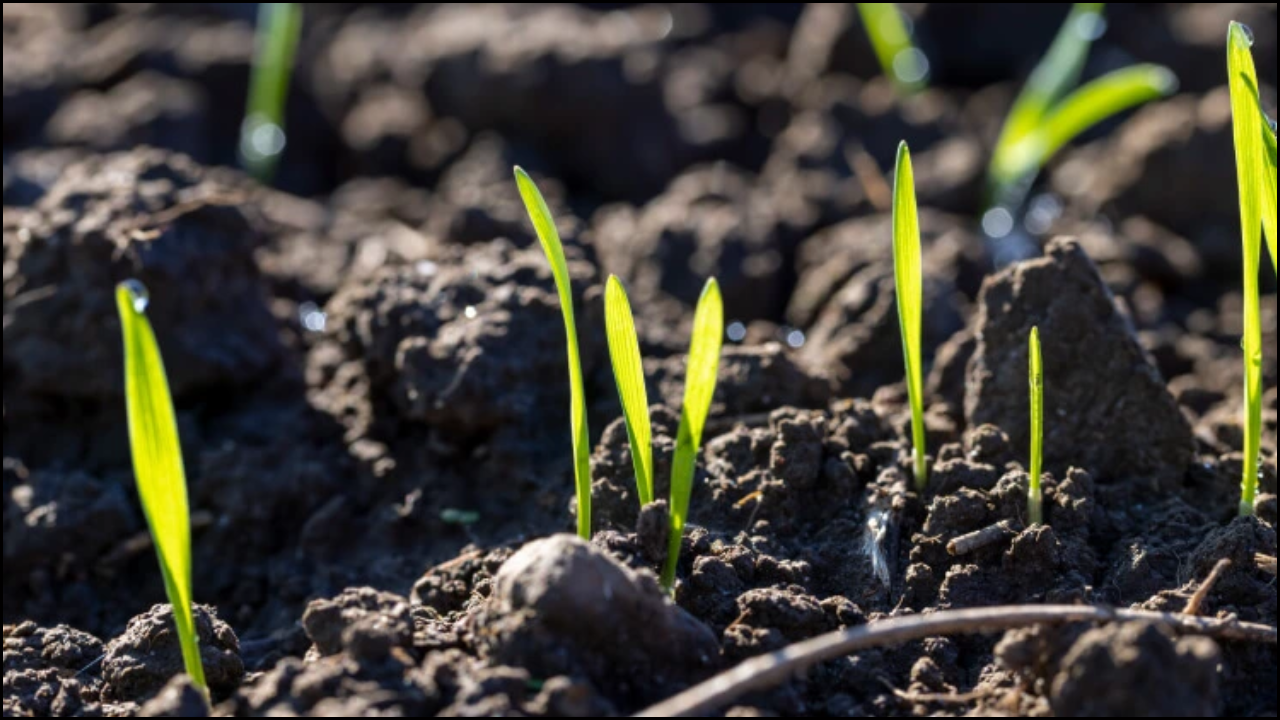
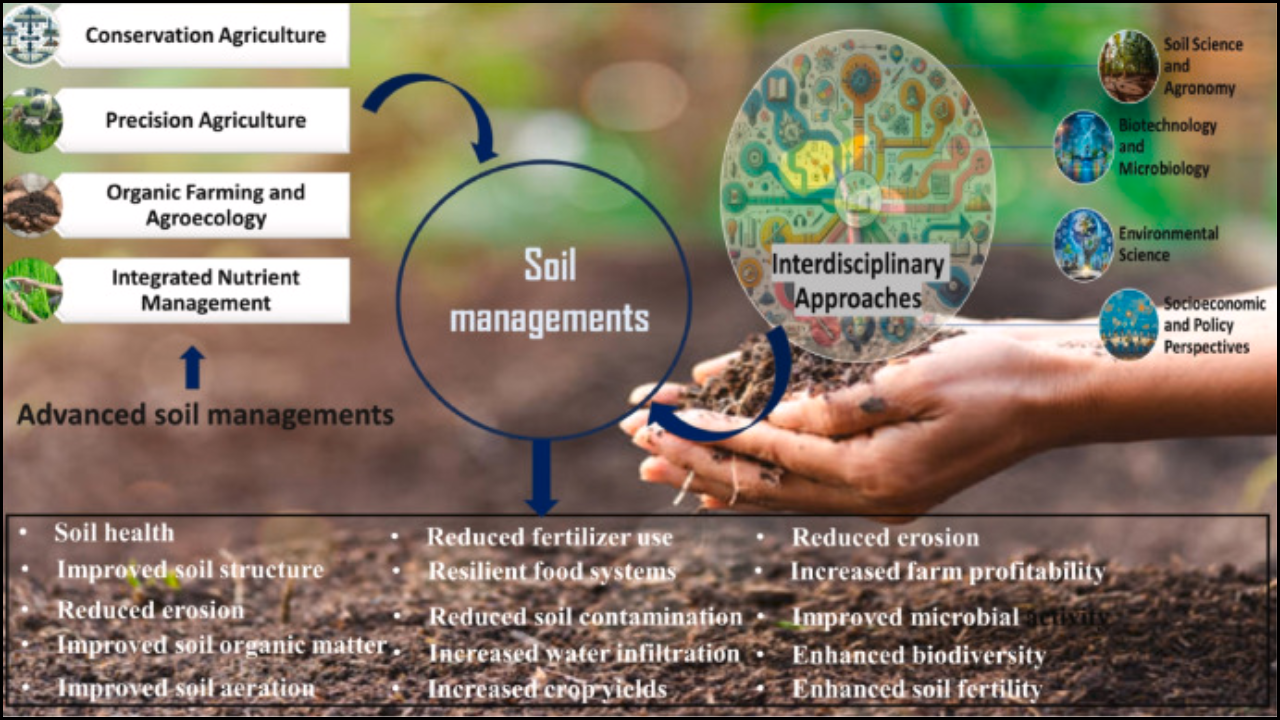
Barley stands among the most adaptable cereal crops, thriving in diverse climates and soils. As global agriculture shifts toward sustainability, balanced and eco-friendly fertilization practices are gaining importance. Excessive or imbalanced fertilizer use not only raises production costs but also harms soil health and the environment. Sustainable fertilization strategies aim to optimize nutrient use efficiency, preserve soil fertility, and maintain high yield and quality. The following content discusses methods and principles that make barley cultivation more productive, economical, and environmentally responsible.
Table of Contents
Importance of Sustainable Fertilization in Barley Cultivation
Nutrient management determines both the productivity and sustainability of barley farming.
Over-fertilization can cause nutrient leaching, soil degradation, and greenhouse gas emissions.
Sustainable fertilization ensures nutrient supply matches crop demand without damaging the ecosystem.
Long-term soil fertility and resource conservation are achieved through responsible nutrient use.
Better crop resilience results from balanced nutrition and improved soil biological activity.
Aspect
Importance in Barley Cultivation
Nutrient Balance
Prevents deficiencies and excesses.
Environmental Protection
Reduces pollution from runoff and leaching.
Economic Efficiency
Lowers fertilizer costs and increases profitability.
Soil Health
Enhances structure, organic matter, and microbial activity.
Yield Stability
Importance of Barley Cultivation
Key Nutrient Requirements for Barley
Nitrogen (N) promotes tillering, leaf growth, and grain protein formation.
Phosphorus (P) enhances root development and early plant vigor.
Potassium (K) improves drought tolerance and disease resistance.
Sulphur (S) contributes to amino acid synthesis and enzyme activation.
Micronutrients such as zinc, manganese, and copper are essential for photosynthesis and enzyme functions.
Nutrient
Function in Barley Growth
Deficiency Symptoms
Nitrogen (N)
Stimulates vegetative growth and protein synthesis.
Pale leaves, reduced tillering.
Phosphorus (P)
Strengthens root system and enhances energy transfer.
Stunted growth, purple leaves.
Potassium (K)
Improves water regulation and grain filling.
Yellowing of leaf margins.
Sulphur (S)
Enhances chlorophyll and protein formation.
Pale, younger leaves.
Zinc (Zn)
Boosts enzyme activity and hormone regulation.
Interveinal chlorosis.
Principles of Sustainable Fertilization
The right nutrient, right rate, right time, right place (4R principle) forms the basis of sustainability.
Integrated nutrient management (INM) combines organic and inorganic sources.
Site-specific nutrient management adjusts fertilizer rates according to local soil fertility.
Crop residue recycling reduces dependency on chemical fertilizers.
Soil testing and monitoring ensure precision in nutrient application.
Principle
Description
Right Nutrient
Apply fertilizers based on crop requirements.
Right Rate
Avoid over- or under-application of nutrients.
Right Time
Match fertilizer application with crop growth stages.
Right Place
Place nutrients near the root zone for better absorption.
Integrated Approach
Combine organic manure with chemical fertilizers.
Organic Fertilization Strategies
Farmyard manure (FYM) enriches soil organic carbon and nutrient availability.
Compost application improves soil texture and water retention.
Green manuring using legumes like clover adds nitrogen naturally.
Biofertilizers such as Azotobacter and Phosphate-Solubilizing Bacteria (PSB) enhance nutrient uptake.
Vermicompost improves microbial diversity and soil aeration.
Organic Input
Nutrient Contribution
Additional Benefits
Farmyard Manure
Supplies N, P, K in balanced form.
Improves soil structure and moisture.
Compost
Provides slow-release nutrients.
Increases microbial activity.
Green Manure
Adds organic nitrogen.
Suppresses weeds and erosion.
Biofertilizers
Enhance biological nitrogen fixation.
Reduce dependency on synthetic fertilizers.
Vermicompost
Enriches soil with micronutrients.
Improves aeration and root growth.
Inorganic Fertilization Strategies
Nitrogen application in split doses prevents losses due to leaching or volatilization.
Phosphorus application at sowing ensures strong early root establishment.
Potassium top-dressing at the booting stage enhances grain filling and lodging resistance.
Balanced N:P: K ratio (e.g., 60:40:40 kg/ha) supports optimal yield.
Micronutrient supplementation through foliar sprays corrects deficiencies quickly.
Fertilizer Type
Timing of Application
Purpose
Nitrogen (Urea/Ammonium Nitrate)
½ at sowing, ½ at tillering.
Supports vegetative growth and tillering.
Phosphorus (DAP/SSP)
Basal dose at sowing.
Improves root development.
Potassium (MOP)
Before the booting stage.
Increases disease resistance.
Sulphur (Gypsum)
At planting or top-dressing.
Aids protein synthesis.
Zinc Sulphate
Foliar spray during early growth.
Prevents chlorosis and improves yield.
Integrated Nutrient Management (INM)
A combination of organic and chemical fertilizers ensures a steady nutrient supply.
Crop residue incorporation enhances soil carbon and microbial life.
Use of biofertilizers increases nutrient availability naturally.
Reduced chemical fertilizer use prevents soil and water contamination.
Water stress reduces nutrient uptake efficiency, especially nitrogen.
Scheduling irrigation according to crop stage enhances nutrient availability.
Growth Stage
Water–Nutrient Relation
Seedling Stage
Moisture ensures quick germination and nutrient uptake.
Tillering Stage
Adequate nitrogen and water promote tiller formation.
Booting Stage
Water availability supports nutrient translocation.
Grain Filling Stage
Balanced N and K improve grain size and quality.
Maturity Stage
Limited irrigation prevents lodging and ensures harvest quality.
Environmental and Economic Benefits of Sustainable Fertilization
Reduced greenhouse gas emissions by minimizing nitrogen losses.
Enhanced biodiversity through organic matter enrichment.
Lower fertilizer expenditure and improved cost efficiency.
Improved soil carbon sequestration contributes to climate resilience.
Long-term productivity with minimal ecological disturbance.
Benefit Type
Specific Impact
Environmental
Decreased soil and water pollution.
Economic
Reduced input costs and better yield returns.
Soil Health
Increased microbial diversity and fertility.
Climate Impact
Lower nitrous oxide emissions.
Sustainability
Maintains productivity for future generations.
Challenges in Sustainable Fertilization Adoption
Limited awareness among farmers about soil health and organic inputs.
High initial cost of biofertilizers and compost production.
Lack of infrastructure for soil testing and precision farming tools.
Inconsistent organic material availability in certain regions.
Need for policy support to promote balanced fertilization.
Challenge
Impact on Implementation
Knowledge Gap
Delays the adoption of sustainable methods.
Cost Barrier
Reduces the use of advanced fertilizers.
Technology Access
Limits precision nutrient management.
Organic Input Supply
Affects consistency in soil fertility.
Policy Gaps
Slows the national adoption of sustainable models.
Future Strategies for Sustainable Barley Fertilization
Development of eco-efficient fertilizers with slow-release formulations.
Promotion of farmer training programs on integrated nutrient management.
Government incentives for organic and biofertilizer use.
Digital tools for nutrient management and soil monitoring.
Research on nutrient-use-efficient barley varieties suited for low-input farming.
Strategy
Expected Outcome
Slow-Release Fertilizers
Reduced leaching and higher nutrient efficiency.
Farmer Education
Improved knowledge of soil and fertilizer management.
Policy Incentives
Increased adoption of eco-friendly practices.
Digital Agriculture Tools
Real-time monitoring of soil and crop status.
Genetic Improvement
Barley varieties that perform well under minimal fertilizer input.
Looking Ahead
Sustainable fertilization in barley cultivation focuses on maintaining productivity while protecting the environment and preserving soil health. Integrating organic, chemical, and biological nutrient sources creates a balanced system that enhances nutrient efficiency and crop resilience. Through precision farming, soil testing, and the adoption of eco-friendly technologies, barley growers can achieve optimal yields with minimal environmental impact. Long-term sustainability in barley farming depends on responsible nutrient management that aligns agricultural productivity with ecological preservation.
She is a creative and dedicated content writer who loves turning ideas into clear and engaging stories. She writes blog posts and articles that connect with readers. She ensures every piece of content is well-structured and easy to understand. Her writing helps our brand share useful information and build strong relationships with our audience.