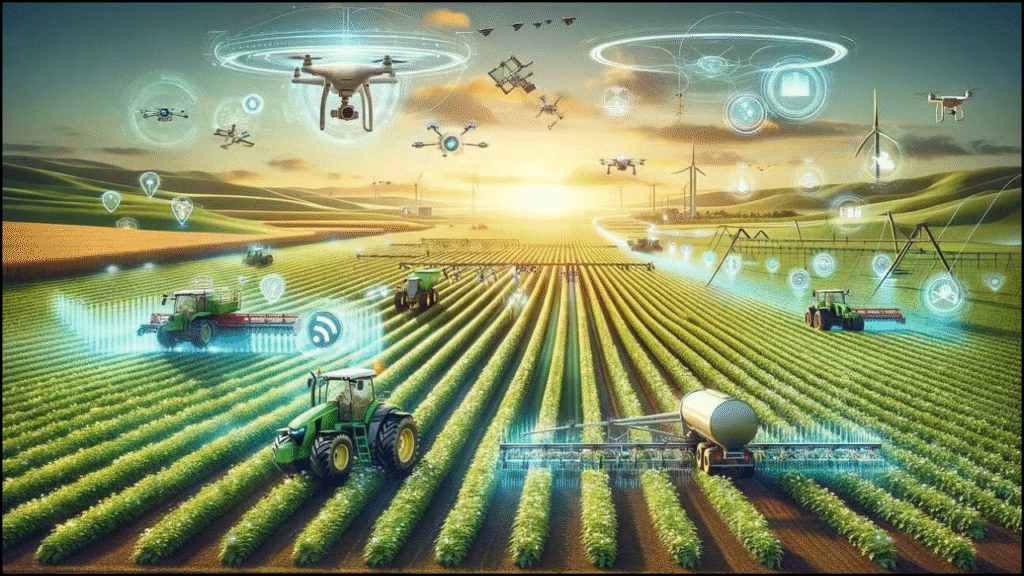
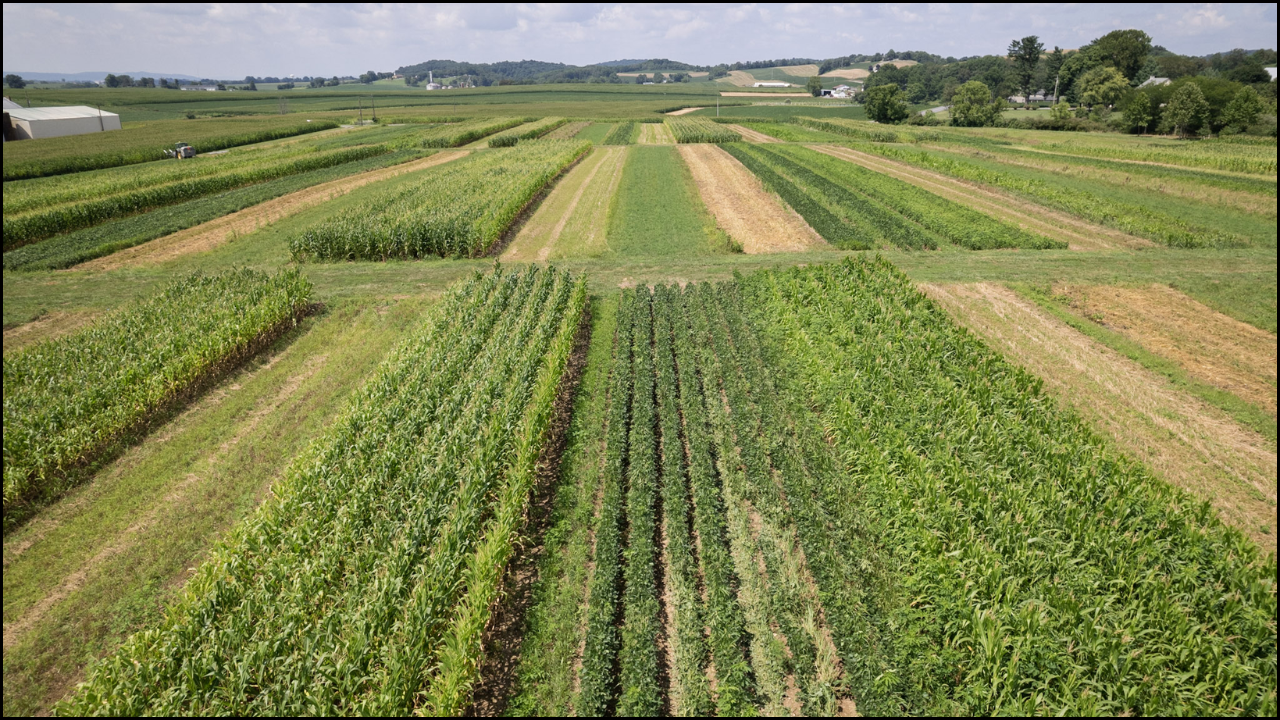
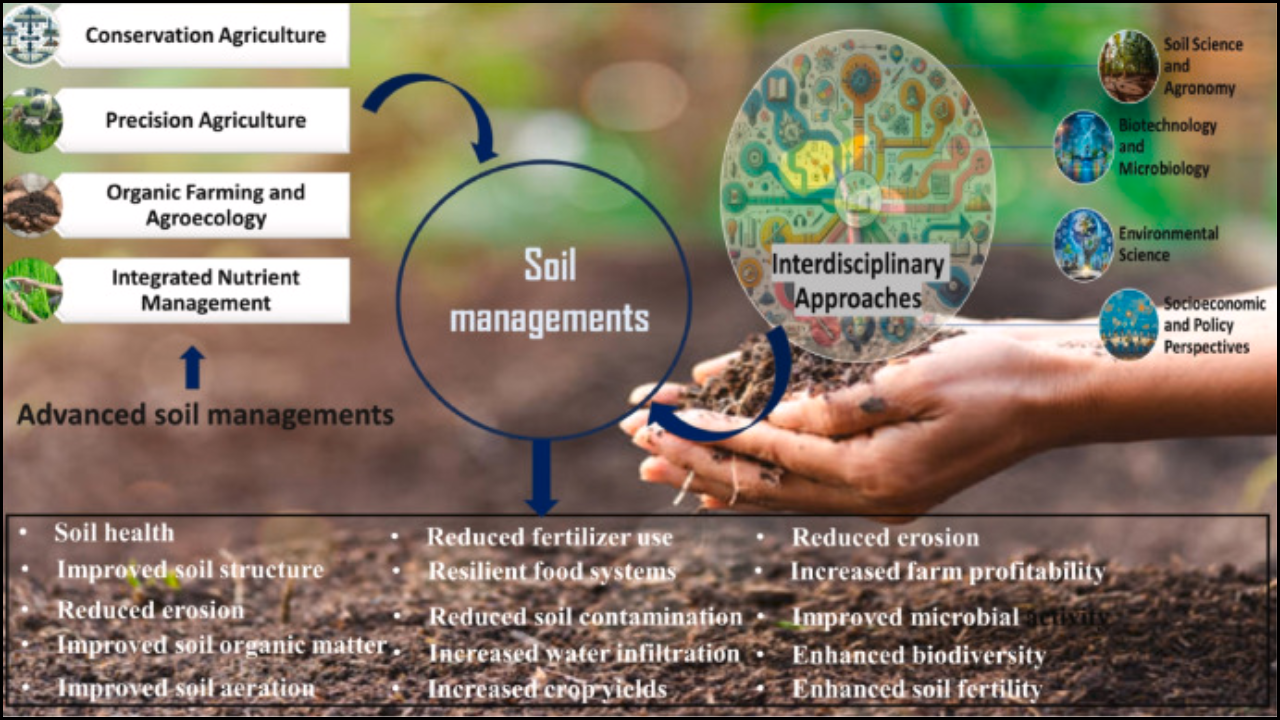
Agricultural technology has evolved rapidly to meet the growing food demands of an expanding population. Precision agriculture represents one of the most transformative advancements in modern farming, focusing on the efficient use of inputs such as water, fertilizers, and pesticides. Through the integration of satellite imagery, sensors, drones, and data analytics, precision agriculture helps farmers optimize field management and improve crop yield. This article explores the key advancements, tools, and benefits of precision agriculture for field crops, emphasizing its role in sustainability and productivity.
Table of Contents
Meaning and Concept of Precision Agriculture
Precision agriculture refers to the use of advanced technologies to observe, measure, and respond to field variability in crops.
The objective is to enhance productivity while minimizing waste and environmental impact.
The core principle involves managing soil and crop differences at a micro-level instead of treating the entire field uniformly.
Technologies used include sensors, drones, GPS systems, satellite data, and artificial intelligence.
Aspect
Description
Definition
Smart farming technique that optimizes field inputs and monitors crop conditions.
Goal
To maximize yield and profitability while reducing resource use.
Tools
GPS, GIS, drones, IoT devices, and machine learning.
Primary Users
Farmers, agronomists, and agricultural researchers.
Field Application
Used in cereals, pulses, oilseeds, and fiber crops.
Technological Components of Precision Agriculture
Global Positioning System (GPS) enables accurate field mapping and location-specific management.
The Geographic Information System (GIS) analyzes spatial data and identifies soil and crop variability.
Remote sensing through satellites and drones helps in real-time monitoring of crop health and growth stages.
Variable Rate Technology (VRT) applies inputs such as fertilizers and water based on the exact needs of each field zone.The
Internet of Things (IoT) connects various farm devices for real-time data sharing.
Technology
Application in Field Crops
GPS
Field mapping, machinery guidance, and boundary definition.
GIS
Soil analysis, moisture mapping, and yield estimation.
Drones
Aerial crop monitoring and pest detection.
VRT
Controlled application of fertilizers and irrigation.
IoT Sensors
Measurement of soil temperature, pH, and moisture levels.
Remote Sensing and Crop Monitoring
Satellite imagery provides large-scale information on vegetation health using NDVI (Normalized Difference Vegetation Index).
Drones capture high-resolution images to detect nutrient deficiencies, diseases, or water stress.
Thermal cameras assess plant water status for better irrigation management.
Multispectral imaging helps analyze plant canopies and detect early-stage stress.
Integration of data allows timely decisions regarding input application.
Sensor Type
Function in Crop Monitoring
Multispectral Sensors
Detect crop stress and nutrient deficiency.
Thermal Sensors
Measure crop temperature and water stress.
RGB Cameras
Monitor visible color changes and canopy growth.
LIDAR
Measure crop height and structure.
Satellite Sensors
Track large-scale crop health and yield potential.
Soil and Water Management through Precision Tools
Soil mapping identifies nutrient variability and helps in targeted fertilizer use.
Moisture sensors determine the exact irrigation requirement, reducing water wastage.
Automated irrigation systems adjust water delivery based on real-time data.
Salinity and pH monitoring prevent soil degradation.
Soil health improvement is achieved through balanced input application.
Parameter
Precision Management Technique
Soil Nutrients
Fertilizer application guided by soil maps.
Water Use
Drip irrigation with moisture sensors.
pH Levels
Lime or gypsum application based on data feedback.
Soil Salinity
Monitoring through EC sensors and remediation planning.
Organic Matter
Maintained through residue management analysis.
Fertilizer and Pesticide Optimization
Site-specific fertilizer application ensures that crops receive nutrients according to their spatial needs.
Controlled-release fertilizers minimize nutrient leaching and environmental pollution.
Precision spraying systems reduce pesticide usage and target affected areas only.
Automated tractors and drones apply fertilizers and pesticides with high accuracy.
Nutrient-use efficiency improves significantly through data-driven management.
Input
Precision Strategy
Benefit
Fertilizers
Variable Rate Technology
Improved nutrient efficiency
Pesticides
Drone-based spot spraying
Reduced chemical residue
Herbicides
Weed-mapping and AI detection
Targeted weed control
Micronutrients
Soil test-based application
Balanced plant nutrition
Manure
GPS-guided distribution
Uniform soil enrichment
Data Analytics and Artificial Intelligence in Crop Management
Big data analytics processes large volumes of soil and crop data for predictive modeling.
AI algorithms forecast pest outbreaks, rainfall patterns, and yield outcomes.
Machine learning helps identify correlations between crop health and environmental factors.
Decision Support Systems (DSS) assist farmers in making data-backed management decisions.
Automation and robotics further simplify repetitive field tasks like sowing and harvesting.
Technology
Function
AI & Machine Learning
Predict yield and pest attacks.
Big Data Analytics
Analyze field data for optimization.
Robotics
Perform planting and harvesting efficiently.
Cloud Platforms
Store and share real-time agricultural data.
Decision Support Tools
Provide recommendations for field management.
Economic and Environmental Benefits of Precision Agriculture
Input efficiency reduces the costs of seeds, fertilizers, and pesticides.
Yield increase through optimized field management enhances profitability.
Reduced environmental pollution from minimal chemical runoff.
Soil conservation and reduced erosion sustain long-term productivity.
Water saving ensures resource security in drought-prone areas.
Benefit Type
Specific Advantage
Economic
Lower input costs and higher output.
Environmental
Reduced pollution and soil degradation.
Resource Efficiency
Smart irrigation and fertilizer management.
Operational
Real-time monitoring and quick decision-making.
Sustainability
Balanced use of natural resources.
Challenges in Adopting Precision Agriculture
High initial investment for equipment and technology setup.
Lack of technical expertise among small and medium farmers.
Limited access to reliable data in rural areas with poor connectivity.
Maintenance and calibration of digital tools require trained personnel.
Policy and financial barriers slow down widespread implementation.
Challenge
Impact
Cost Factor
Restricts smallholder participation.
Training Gap
Reduces effective technology utilization.
Data Inaccuracy
Leads to poor decision-making.
Infrastructure Limitations
Hinders automation in rural areas.
Policy Constraints
Lack of government incentives for innovation.
Future Trends and Innovations in Precision Agriculture
Artificial intelligence integration for real-time decision-making.
5G and cloud computing to support fast data transfer and smart devices.
Autonomous machinery for fully automated sowing and harvesting.
Blockchain technology for transparent agricultural supply chains.
Sustainable digital farming that balances productivity and environmental care.
Emerging Trend
Expected Impact
AI and Robotics
Enhanced automation and efficiency.
Cloud Integration
Better data access and sharing.
5G Networks
Faster communication between devices.
Blockchain Systems
Improved traceability and trust.
Smart Sensors
More accurate real-time monitoring.
Moving Forward
Precision agriculture has revolutionized the way farmers manage field crops by combining technology and sustainability. Accurate data collection, targeted input application, and real-time decision-making have made agriculture more efficient and environmentally friendly. As innovations in sensors, AI, and automation continue to expand, precision agriculture will play an essential role in ensuring global food security while protecting natural resources. Through increased awareness and policy support, these advancements can empower farmers to cultivate smarter, sustainable, and more productive farms.
She is a creative and dedicated content writer who loves turning ideas into clear and engaging stories. She writes blog posts and articles that connect with readers. She ensures every piece of content is well-structured and easy to understand. Her writing helps our brand share useful information and build strong relationships with our audience.