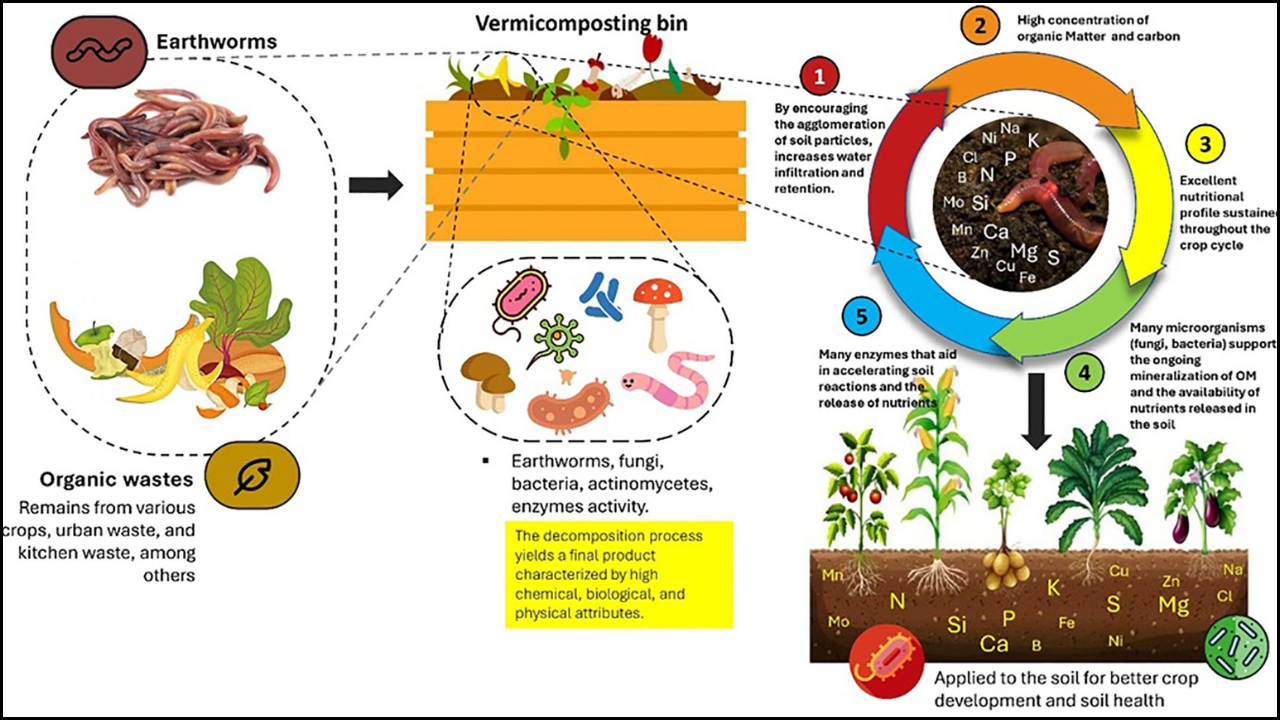
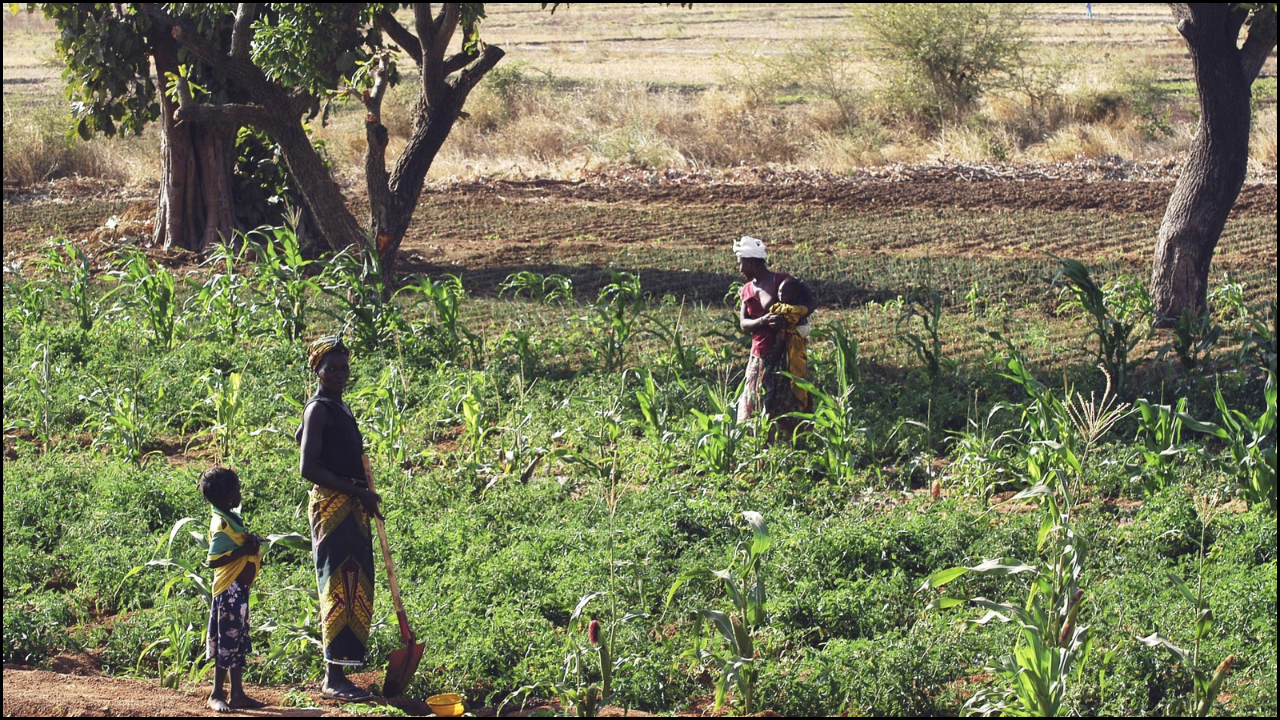
Soil health stands as the foundation of sustainable agriculture, influencing productivity, biodiversity, and ecosystem balance. Continuous monocropping and excessive chemical use have degraded soil quality in many regions. The use of cover crops—plants grown primarily to protect and improve the soil rather than for harvest—has emerged as a key sustainable practice. These crops enhance soil fertility, prevent erosion, and promote microbial activity. This article explores how cover crops contribute to soil health improvement, their types, management practices, and the overall benefits they bring to farming systems.
Table of Contents
Meaning and Purpose of Cover Crops
Cover crops are non-cash crops planted between main cropping cycles to cover and protect the soil surface.
The purpose is to enhance soil fertility, control weeds, conserve moisture, and prevent erosion.
Types of cover crops include legumes, grasses, and brassicas, each serving unique ecological functions.
Integration into crop systems ensures better nutrient recycling and long-term sustainability.
Aspect
Description
Definition
Crops are grown mainly to improve and protect soil health rather than for harvest.
Major Purpose
Soil enrichment, erosion control, and nutrient management.
Common Examples
Clover, rye, vetch, mustard, oats, alfalfa, and radish.
Planting Period
Between two cash crop cycles or during the off-season.
Main Benefit
Promotes ecological balance and sustainable farming.
Types of Cover Crops and Their Roles
Leguminous cover crops such as clover and vetch fix atmospheric nitrogen, enriching soil fertility.
Grass cover crops like rye and barley provide excellent erosion control and organic matter.
Brassica crops such as mustard and radish break compacted soil layers and suppress pests.
Mixed cover crops combine multiple species for multi-functional benefits.
Seasonal selection depends on local climate, soil type, and crop rotation plans.
Type of Cover Crop
Example
Primary Function
Legume
Clover, Vetch, Alfalfa
Nitrogen fixation and fertility improvement
Grass
Rye, Oats, Barley
Erosion control and organic matter addition
Brassica
Mustard, Radish
Soil aeration and pest suppression
Mixed Species
Clover + Rye
Balanced nutrient and structure improvement
Seasonal Crops
Buckwheat (summer), Rye (winter)
Adapted to regional climatic needs
Nutrient Cycling and Fertility Enhancement
Nitrogen fixation by legumes enriches the soil without synthetic fertilizers.
Decomposition of residues releases essential nutrients like phosphorus and potassium.
Deep-rooted crops recycle nutrients from lower soil layers to the surface.
Balanced nutrient profile supports successive crop growth and yield.
Nutrient Function
Cover Crop Contribution
Nitrogen
Fixed naturally by leguminous crops.
Phosphorus
Mobilized through organic acid release by roots.
Potassium
Returned to the surface layers after biomass decomposition.
Micronutrients
Enhanced through improved microbial activity.
Organic Carbon
Increased by residue incorporation into the soil.
Soil Structure and Organic Matter Improvement
Root networks of cover crops enhance soil aggregation and prevent compaction.
Organic matter buildup leads to better soil texture and moisture retention.
Microbial activity increases as decomposing biomass provides energy sources.
Enhanced porosity allows better air exchange and root penetration.
Improved infiltration reduces runoff and erosion potential.
Soil Property
Impact of Cover Crops
Aggregation
Stabilized through root exudates and organic matter.
Texture
Improved by decomposing biomass.
Porosity
Enhanced by extensive root systems.
Water Holding Capacity
Increased due to humus formation.
Soil Density
Reduced through deep-rooted crop action.
Erosion Control and Water Management
Surface cover prevents soil particles from being washed or blown away.
Dense vegetation slows down water runoff, promoting infiltration.
Deep-rooted crops anchor soil and reduce gully formation.
Moisture conservation improves through residue mulching.
Reduced sedimentation maintains water quality in nearby ecosystems.
Parameter
Effect of Cover Crops
Water Runoff
Significantly decreased by surface vegetation.
Soil Erosion
Minimized through root binding and canopy protection.
Water Retention
Enhanced by organic matter buildup.
Groundwater Recharge
Increased through slow infiltration.
Soil Crusting
Prevented by continuous plant cover.
Weed and Pest Suppression
Thick canopy shades the soil, reducing weed germination.
Allelopathic compounds released by some cover crops inhibit weed growth.
Disruption of pest cycles occurs by eliminating host plants.
Brassica residues produce bio-fumigants that suppress soil-borne pathogens.
Beneficial insects find habitat in diverse cover crop systems, supporting natural pest control.
Issue
Cover Crop Solution
Weed Competition
Reduced through shading and allelopathy.
Nematode Infestation
Controlled by brassica and marigold cover crops.
Fungal Diseases
Decreased by improving soil microbial diversity.
Insect Pests
Reduced through habitat disruption.
Herbicide Use
Lowered due to natural weed suppression.
Soil Biological Activity and Microbial Health
Root exudates from cover crops stimulate microbial growth and enzyme production.
Diverse plant species encourage a balanced soil microbiome.
Decomposition of organic matter supports beneficial fungi and bacteria.
Earthworm populations increase under cover cropping systems.
Improved soil respiration reflects a biologically active ecosystem.
Biological Indicator
Effect of Cover Crops
Microbial Biomass
Increased due to organic substrate availability.
Earthworm Count
Enhanced under residue cover.
Enzyme Activity
Boosted by organic matter decomposition.
Soil Respiration
Elevated, indicating biological health.
Pathogen Balance
Maintained through microbial competition.
Carbon Sequestration and Climate Benefits
Cover crops capture atmospheric carbon dioxide and store it in soil organic matter.
Increased carbon sequestration helps mitigate greenhouse gas emissions.
Reduced soil disturbance minimizes CO₂ release during decomposition.
Improved soil resilience aids in adapting to extreme weather conditions.
Sustainable land management supports long-term climate goals.
Environmental Aspect
Contribution of Cover Crops
Carbon Storage
Enhanced through biomass accumulation.
Greenhouse Gas Reduction
Lowered by reduced fertilizer need.
Climate Resilience
Improved by better moisture and nutrient retention.
Ecosystem Stability
Maintained through biodiversity.
Air and Water Quality
Protected from nutrient runoff and erosion.
Economic and Agronomic Benefits
Reduced fertilizer costs due to natural nutrient replenishment.
Lower pesticide expenses from pest suppression effects.
Enhanced crop yield through improved soil fertility.
Long-term profitability is achieved by maintaining productive soil.
Increased sustainability attracts support from eco-friendly markets.
Benefit Type
Specific Advantage
Economic
Lower input costs and long-term productivity.
Agronomic
Higher yield potential through better soil conditions.
Environmental
Reduced erosion and pollution.
Social
Improved food security and farmer resilience.
Sustainability
Promotes regenerative agriculture.
Challenges in Cover Crop Utilization
Seed cost and availability can limit adoption by small farmers.
Timing conflicts with main crop planting schedules.
Water usage concerns in arid regions.
Need for technical knowledge to select suitable crop species.
Short-term economic returns may discourage large-scale implementation.
Challenge
Impact
Seed Cost
Limits affordability for smallholders.
Water Competition
It may affect main crops in dry seasons.
Labor Requirement
Additional management for planting and termination.
Lack of Awareness
Slows the adoption of best practices.
Market Incentives
Insufficient policy support for ecological farming.
In Summary
Cover crops play a crucial role in restoring and maintaining soil health, offering both agronomic and environmental advantages. Their contribution to nutrient cycling, erosion control, and biological activity makes them indispensable for sustainable farming systems. Although challenges such as cost and management persist, the long-term benefits outweigh short-term limitations. Through proper selection, management, and policy support, the utilization of cover crops can strengthen soil fertility, increase farm resilience, and ensure food security for future generations.
She is a creative and dedicated content writer who loves turning ideas into clear and engaging stories. She writes blog posts and articles that connect with readers. She ensures every piece of content is well-structured and easy to understand. Her writing helps our brand share useful information and build strong relationships with our audience.