Soil protection and efficient moisture management are essential for sustainable agricultural productivity. Continuous tillage, exposure to high temperatures, and water scarcity often degrade soil quality and reduce crop yield. Mulching, an age-old yet scientifically proven practice, provides an effective solution to these problems. By covering the soil surface with organic or inorganic materials, mulching helps suppress weeds, conserve moisture, regulate temperature, and enhance soil fertility. This article explains the different types of mulch, their mechanisms, and their role in weed control and soil moisture conservation.
Table of Contents
Meaning and Importance of Mulching
Mulching refers to the process of covering the soil surface with natural or synthetic materials to improve its physical, chemical, and biological properties.
The objective is to maintain soil moisture, reduce weed growth, and protect the soil from erosion and temperature fluctuations.
Materials used include crop residues, straw, leaves, plastic films, and gravel.
Importance lies in promoting sustainable farming by reducing input requirements and enhancing crop performance.
Aspect
Description
Definition
The practice of covering the soil surface with protective materials to conserve moisture and suppress weeds.
Main Purpose
Moisture conservation, temperature moderation, and weed suppression.
Common Materials
Straw, grass clippings, plastic sheets, compost, and polythene films.
Application Time
After sowing or transplanting crops.
Core Benefit
Enhances soil health and plant growth sustainability.
Types of Mulching Materials
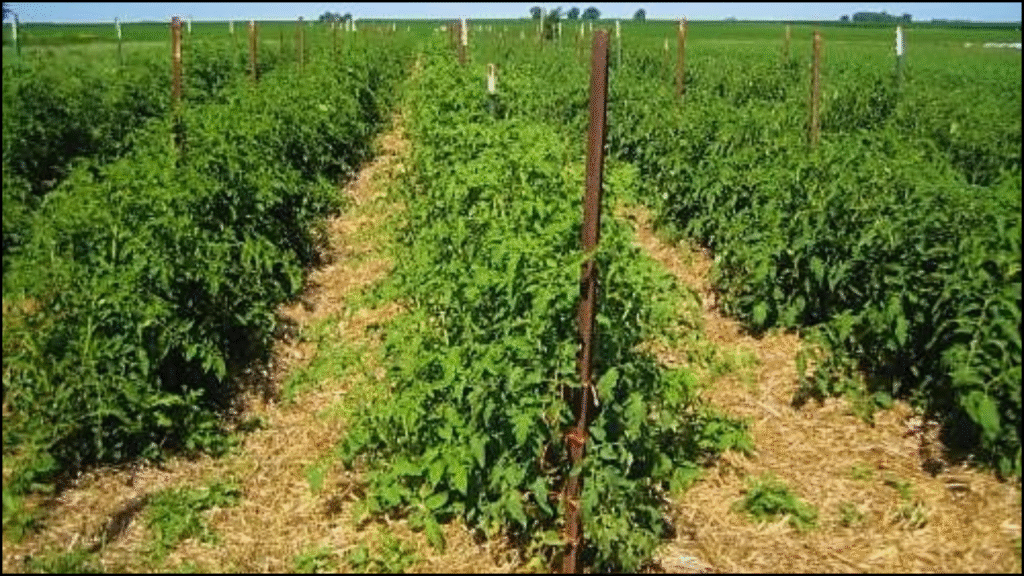
Organic mulch includes biodegradable materials like straw, wood chips, leaves, compost, and crop residues.
Inorganic mulch consists of non-degradable materials like black plastic, gravel, and geotextiles.
Living mulch involves growing low-growing cover plants to protect the soil naturally.
Reflective mulch is used to control pests and regulate temperature.
Selection depends on crop type, climate, and cost considerations.
Type of Mulch
Examples
Key Features
Organic Mulch
Straw, husk, compost, leaves
Improves fertility and soil structure.
Inorganic Mulch
Plastic films, gravel
Effective in water conservation and weed control.
Living Mulch
Clover, grasses
Provides natural cover and nitrogen fixation.
Reflective Mulch
Silver or white plastic
Repels insects and moderates soil temperature.
Biodegradable Mulch
Paper mulch, starch films
Eco-friendly and decomposes naturally.
Mechanism of Weed Suppression through Mulching
Light interception prevents weed seed germination by blocking sunlight.
A physical barrier restricts weed emergence and growth.
Temperature regulation creates unfavorable conditions for weed development.
Allelopathic effects from organic residues inhibit weed seed activity.
Reduced soil disturbance limits weed seed exposure to light and air.
Weed Control Mechanism
Description
Light Blocking
Prevents photosynthesis and seed germination.
Physical Suppression
Restricts weed emergence by acting as a barrier.
Temperature Effect
Creates unfavorable conditions for weed survival.
Allelopathic Chemicals
Released from decomposing mulch materials to inhibit weeds.
Moisture Competition Reduction
Reduces water access for weeds.
Role of Mulching in Soil Moisture Conservation
Evaporation reduction occurs as mulch prevents direct sunlight and air contact with the soil.
Improved infiltration results from reduced surface crusting and better soil porosity.
Increased water retention maintains moisture availability for crops during dry spells.
Reduced runoff ensures that more water remains within the root zone.
Microclimate regulation helps crops survive under extreme weather conditions.
Moisture Conservation Mechanism
Effect on Soil and Crops
Reduced Evaporation
Maintains soil moisture for longer periods.
Improved Infiltration
Enhances groundwater recharge.
Surface Protection
Minimizes water loss from direct sunlight.
Organic Matter Addition
Increases water-holding capacity.
Temperature Regulation
Reduces moisture loss due to heat stress.
Effect of Mulching on Soil Properties
Temperature stability ensures consistent root growth and nutrient uptake.
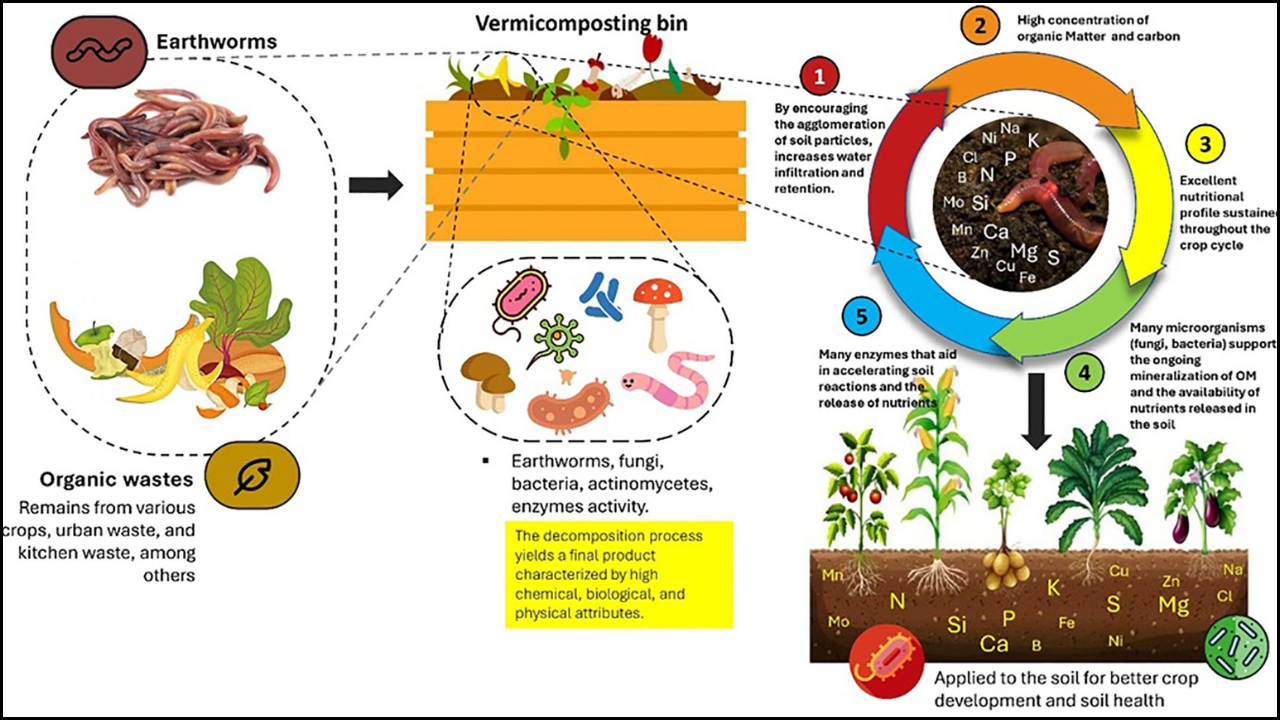
Enhanced organic matter from decomposing mulch improves soil texture.
Microbial activity stimulation boosts nutrient cycling and soil health.
Reduced erosion protects topsoil from wind and water loss.
Better soil structure enhances root development and plant vigor.
Limited awareness among small-scale farmers about long-term benefits.
Challenge
Impact on Implementation
Cost of Material
Restricts adoption among small farmers.
Labor Intensity
Increases operational workload.
Pest Infestation
Shelter for insects and rodents under mulch.
Plastic Waste
Environmental pollution after disposal.
Knowledge Gap
Lack of technical awareness and training.
Best Practices for Effective Mulching
Selection of appropriate material depending on crop and climate.
Uniform mulch thickness of 5–10 cm ensures efficient soil coverage.
Proper timing of application after sowing to retain moisture.
Maintenance of the mulch layer during crop growth for continued effectiveness.
Integration with drip irrigation for maximum water-use efficiency.
Practice
Expected Outcome
Material Selection
Balanced nutrient addition and moisture retention.
Thickness Management
Prevents over-heating and under-coverage.
Timely Application
Maximizes soil protection benefits.
Residue Recycling
Reduces cost and improves fertility.
Integration with Irrigation
Prevents overheating and under-coverage.
The Bottom Line
Mulching plays a vital role in improving soil health by conserving moisture, reducing weed growth, and enhancing biological activity. Whether organic or synthetic, mulch materials act as protective shields that maintain ideal soil conditions for plant growth. Their contribution to water conservation, yield improvement, and soil protection makes them indispensable in sustainable farming systems. With proper management and awareness, mulching can significantly enhance agricultural productivity while safeguarding natural resources for future generations.
She is a creative and dedicated content writer who loves turning ideas into clear and engaging stories. She writes blog posts and articles that connect with readers. She ensures every piece of content is well-structured and easy to understand. Her writing helps our brand share useful information and build strong relationships with our audience.