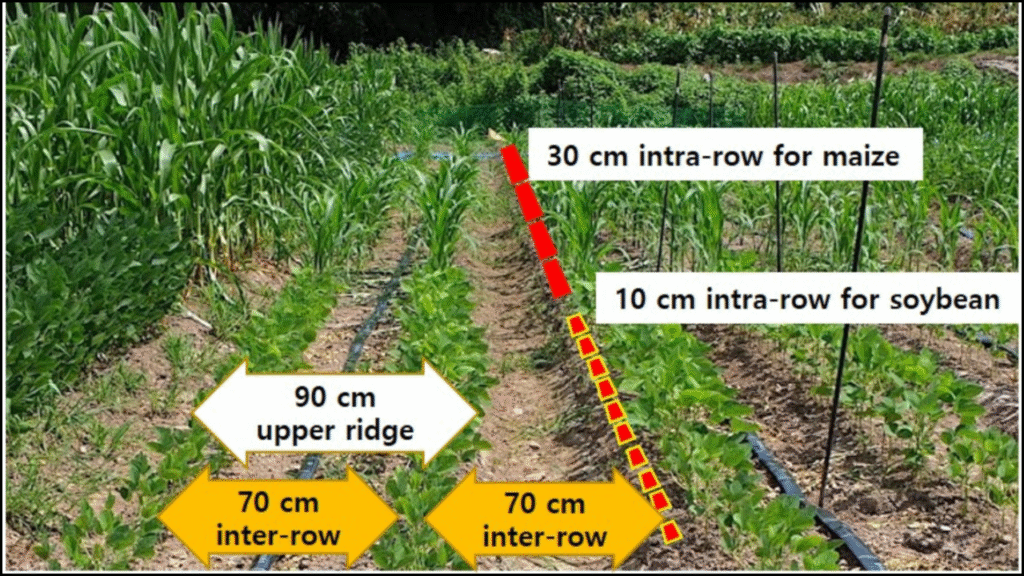
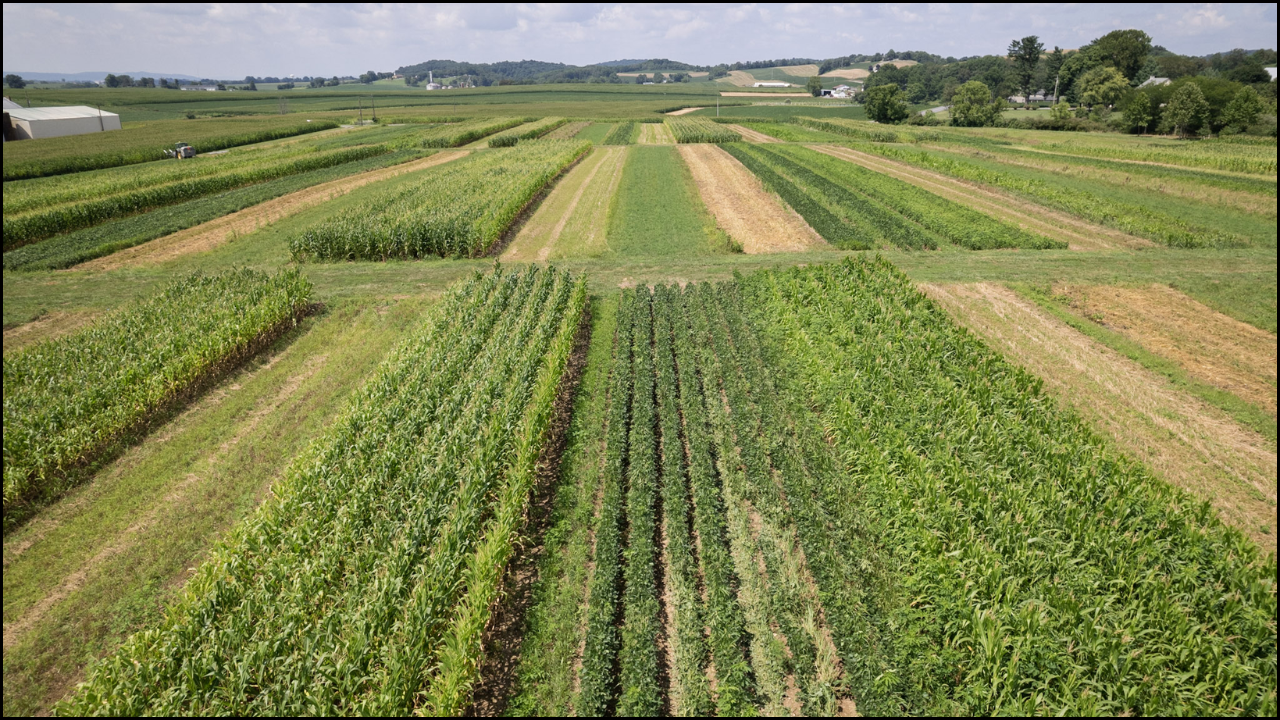
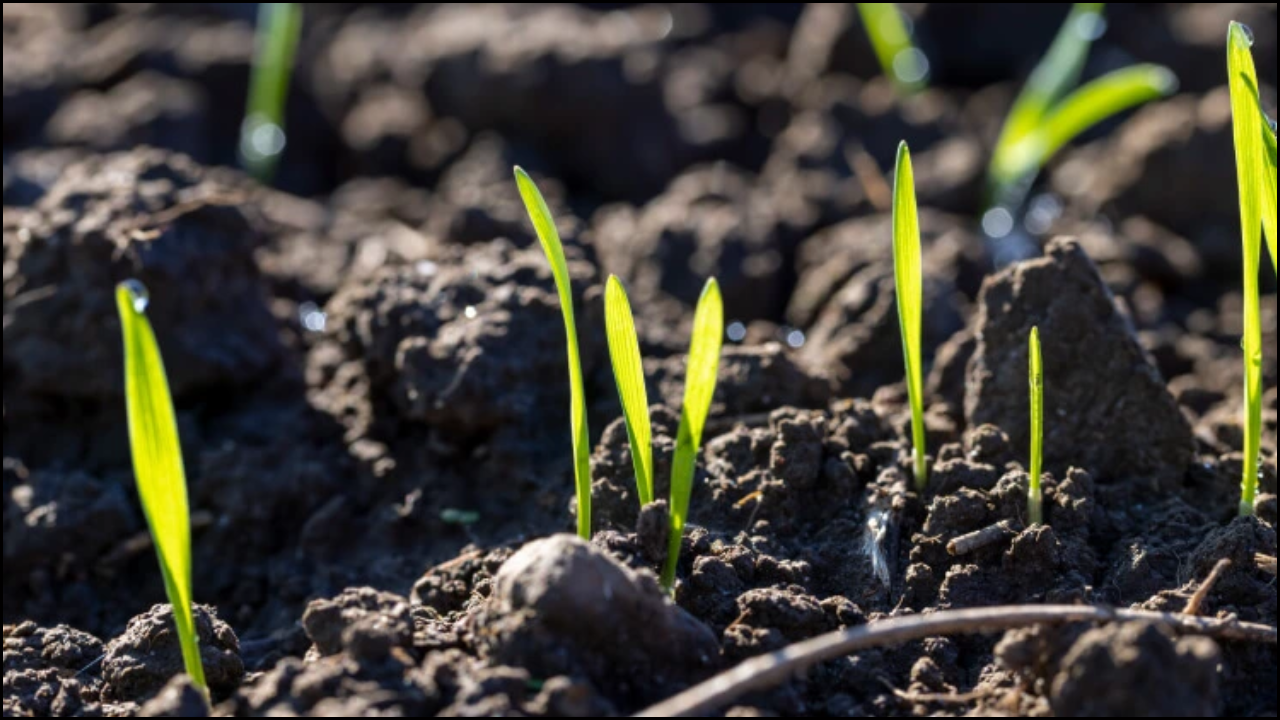
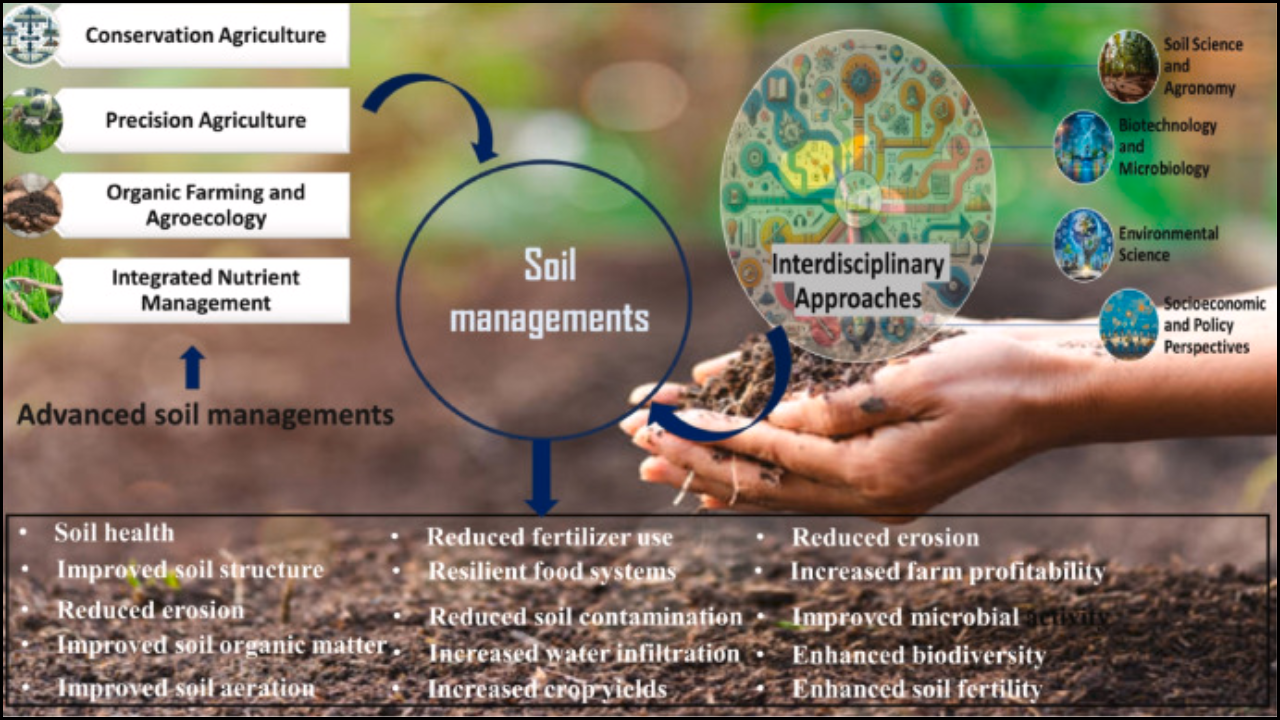
Soybean productivity depends on several factors, and planting time plays a crucial role among them. The timing of sowing determines how effectively the crop utilizes sunlight, temperature, and soil moisture throughout its growth cycle. Early or delayed sowing often results in yield variations due to differences in vegetative growth, flowering, and grain filling. Understanding the relationship between planting time and soybean performance is vital for optimizing yield, maintaining soil fertility, and improving resource use efficiency. This article presents a detailed analysis of how planting time influences soybean productivity through environmental, physiological, and agronomic perspectives.
Table of Contents
Importance of Planting Time in Soybean Cultivation
Planting time directly influences the crop’s exposure to favorable or adverse weather conditions.
Optimal timing ensures proper germination, nodulation, and balanced vegetative and reproductive growth.
Temperature and day length affect flowering and seed development stages.
Moisture availability during planting influences stand establishment and root growth.
Timely planting helps synchronize crop growth with the best climatic conditions for maximum yield.
Aspect
Significance
Germination
Depends on soil temperature and moisture during sowing.
Vegetative Growth
Requires moderate temperatures and longer daylight.
Reproductive Phase
Sensitive to temperature and photoperiod.
Yield Determination
Affected by the duration between flowering and maturity.
Disease & Pest Exposure
Reduced under optimal planting schedules.
Environmental Factors Affecting Planting Time Response
Temperature variation influences emergence rate and growth duration.
Rainfall pattern determines soil moisture availability for germination.
Photoperiod sensitivity affects flowering initiation and maturity.
Soil type and drainage impact early root establishment.
Regional climate guides the recommended sowing windows for different soybean varieties.
Environmental Factor
Impact on Soybean Growth
Temperature
Ideal range (20–30°C) ensures healthy seedling growth.
Rainfall
Adequate early rainfall improves germination and nodulation.
Photoperiod
Controls flowering and reproductive duration.
Soil Moisture
Crucial for early establishment and nutrient uptake.
Wind & Humidity
Affects pollination and disease development.
Effect of Early Planting on Soybean Yield
Early planting allows the crop to utilize the full growing season efficiently.
Higher biomass accumulation occurs due to longer vegetative periods.
Early-flowering varieties benefit most from timely sowing.
Improved yield results from better pod setting and seed filling.
Risks include frost damage or pest attack if planting is too early.
Benefit/Drawback
Description
Yield Advantage
Maximized due to the prolonged photosynthetic period.
Root Development
Stronger roots due to favorable soil moisture.
Pest Risk
Slightly higher in early stages.
Flowering Synchronization
Better under optimal climatic conditions.
Frost Sensitivity
Risk in cooler regions during early sowing.
Impact of Late Planting on Soybean Productivity
Delayed planting shortens the growing period, reducing yield potential.
Temperature rise during later stages accelerates maturity, leading to smaller seeds.
Reduced canopy development limits light interception.
Higher pest and disease incidence often occurs in late-sown crops.
Moisture stress during flowering and pod filling reduces productivity.
Effect
Consequence on Crop Performance
Shorter Vegetative Period
Reduces biomass and pod number.
Accelerated Maturity
Decreases grain filling duration.
Heat Stress
Impairs photosynthesis and flower retention.
Reduced Root Activity
Limits nutrient uptake.
Lower Seed Weight
Results in overall yield decline.
Growth and Developmental Stages Affected by Planting Time
The germination phase depends on suitable soil temperature and moisture.
Vegetative growth requires extended daylight and moderate heat.
Flower initiation is sensitive to day length; delayed planting often causes premature flowering.
Pod filling benefits from adequate sunlight and moisture balance.
Maturity phase shortens under high-temperature conditions.
Growth Stage
Influence of Planting Time
Germination
Early planting enhances uniform emergence.
Vegetative Growth
Longer under timely planting, shorter with delay.
Flowering
Timely sowing ensures a balanced transition to reproduction.
Pod Formation
Higher in early sowing due to the extended reproductive phase.
Maturity
Early planting allows complete seed development.
Physiological and Yield Components Influenced by Planting Time
Leaf area index (LAI) increases in optimally planted crops, enhancing photosynthesis.
Number of pods per plant and seed weight decline under delayed planting.
Root nodulation and nitrogen fixation are affected by temperature and soil aeration during planting.
Chlorophyll content and biomass accumulation peak when sowing coincides with ideal temperature conditions.
Harvest index reflects the plant’s efficiency in converting biomass into grain yield.
Parameter
Early Planting
Late Planting
Leaf Area Index
High
Low
Pod Number per Plant
Increased
Decreased
Seed Weight
High
Low
Nodulation Activity
Enhanced
Reduced
Harvest Index
Balanced
Declines due to stress
Regional and Climatic Variations in Optimum Sowing Time
Tropical regions favor soybean planting at the onset of monsoon rains.
Temperate regions benefit from spring sowing once frost risk subsides.
Semi-arid zones require sowing just before reliable rainfall to ensure moisture use efficiency.
Cold regions prefer early summer planting for full-season growth.
Adapted varieties should be selected according to local climate and day length.
Region Type
Recommended Sowing Period
Key Consideration
Tropical
Early monsoon (June–July)
Rainfed moisture availability.
Temperate
Late spring (May–June)
Avoid frost damage.
Semi-Arid
Pre-monsoon (May–June)
Utilize early rains.
Cold
Early summer (June)
Ensure full maturity before frost.
Humid
Late spring to early summer
Disease management.
Interaction Between Planting Time and Variety Maturity Group
Early-maturing varieties require prompt planting to reach full yield potential.
Photoperiod-insensitive varieties perform more uniformly across planting dates.
Genotype-environment interaction determines final yield outcomes.
Variety selection based on regional temperature and rainfall improves adaptability.
Maturity Group
Response to Planting Time
Early Maturity
Sensitive to delay; early sowing gives the best yield.
Medium Maturity
Performs well within a moderate planting window.
Late Maturity
Can tolerate slight delays but needs a long season.
Photoperiod-Insensitive
Stable performance under variable sowing dates.
High-Temperature Tolerant
Suitable for late planting regions.
Effect on Pest and Disease Incidence
Timely planting minimizes pest exposure by avoiding peak insect periods.
Late planting coincides with high humidity and temperature, favoring disease development.
Soybean rust, stem borer, and leaf spot are common threats in delayed sowing.
Early planting supports faster canopy closure, reducing weed competition.
Integrated pest management (IPM) is necessary to maintain productivity.
Factor
Early Planting
Late Planting
Pest Attack
Moderate
High
Disease Prevalence
Low
Increased due to humidity.
Weed Competition
Lower
Higher due to open canopy.
Insect Lifecycle Synchrony
Misaligned, reducing damage.
Aligned, increasing risk.
Overall Crop Health
Better
Compromised under stress.
Economic Implications of Planting Time
Timely sowing reduces the need for replanting and extra input costs.
Delayed planting leads to yield loss and increased pest management expenses.
Labor scheduling and equipment use efficiency improve with proper timing.
Higher profitability is achieved when sowing aligns with the region’s optimal window.
Market timing benefits farmers who harvest early and sell at premium prices.
Economic Aspect
Early Planting
Late Planting
Input Efficiency
High
Reduced
Labor Requirement
Balanced
Often increased
Yield Output
Maximum
Decreased
Production Cost
Lower overall
Higher due to pest control
Profit Margin
Improved
Declined
Management Recommendations for Optimal Soybean Planting
Soil testing before planting ensures balanced nutrient availability.
Seed treatment with biofertilizers and fungicides promotes early vigor.
Weather forecasting should guide planting decisions.
Variety selection based on local climate and maturity duration optimizes yield.
Moisture conservation practices like mulching and residue retention improve germination.
Practice
Purpose
Timely Sowing
Ensures synchronization with a favorable climate.
Use of Certified Seed
Guarantees high germination and vigor.
Field Preparation
Facilitates proper seed-soil contact.
Moisture Management
Reduces risk of poor establishment.
Integrated Crop Management
Enhances yield stability.
Parting Insights
Planting time exerts a profound influence on soybean growth, development, and yield potential. Proper timing aligns crop growth stages with favorable climatic conditions, enhancing moisture use, nutrient uptake, and seed filling. Early planting generally results in higher yields due to extended growing periods, while delayed planting reduces productivity through stress and shortened crop duration. By selecting suitable varieties and adopting region-specific sowing schedules, farmers can maximize soybean productivity sustainably and economically.
She is a creative and dedicated content writer who loves turning ideas into clear and engaging stories. She writes blog posts and articles that connect with readers. She ensures every piece of content is well-structured and easy to understand. Her writing helps our brand share useful information and build strong relationships with our audience.