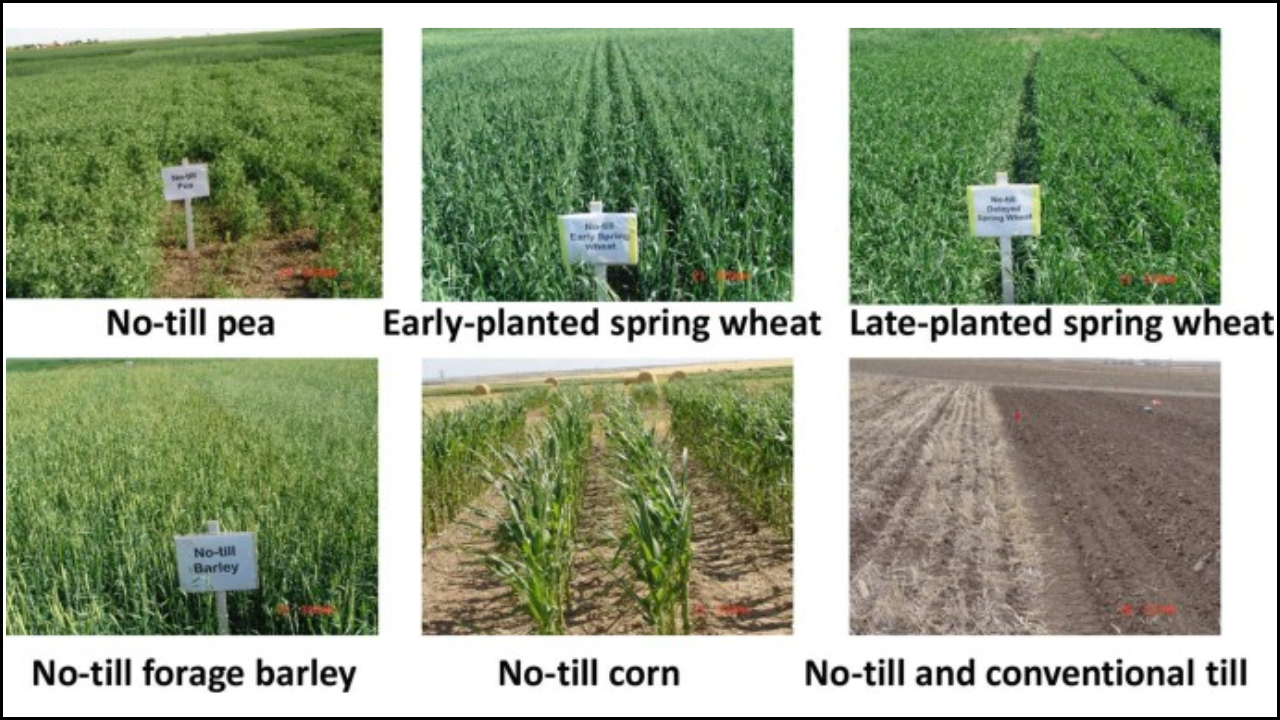
The Turkish Journal of Field Crops represents one of the most reputable scientific journals in agricultural science, particularly focusing on field crop research. The publication provides a strong platform for researchers and scientists to share original findings, innovations, and experiments related to crop breeding, agronomy, biotechnology, and plant utilization. Managed by the Society of Field Crops Science, the journal serves as a bridge between scientific discovery and practical agricultural applications. It plays an essential role in disseminating knowledge to improve crop productivity, sustainability, and genetic diversity.
Aims and Scope of the Journal
The Turkish Journal of Field Crops (Turk J Field Crops) aims to promote high-quality scientific research and technological advancements in the field of crop science. The journal encourages studies that enhance understanding of crop behavior, genetics, physiology, and management systems under various climatic and environmental conditions.
Key focus areas include:
- Breeding and Genetics: Research in this section explores the development of improved crop varieties with higher yields, resistance to diseases, and adaptability to diverse climates. Studies also emphasize molecular breeding techniques and genetic diversity.
- Agronomy: This section covers scientific methods to improve field management, soil fertility, irrigation, and sustainable crop production systems.
- Physiology: Studies address how plants respond to biotic and abiotic stresses, photosynthetic efficiency, and nutrient utilization.
- Forage Crops: Articles in this field focus on the production and management of crops used for animal feed, emphasizing quality, yield, and environmental sustainability.
- Medicinal and Aromatic Plants: Research investigates the cultivation, chemical properties, and applications of plants used for pharmaceutical or aromatic purposes.
- Biotechnology: Studies present advancements in genetic modification, tissue culture, and molecular biology techniques to enhance crop productivity.
- Utilization: This segment highlights innovative uses of field crops, post-harvest technology, and value-added product development.
Journal Management and Publication
The Turkish Journal of Field Crops is owned and managed by the Society of Field Crops Science, reflecting its commitment to promoting agricultural science in Turkey and beyond. It is published twice a year and welcomes submissions from researchers worldwide.
Editorial and Contact Information
| Position | Details |
|---|---|
| Owner | Prof. Dr. Emre İLKER |
| Affiliation | Ege University, Faculty of Agriculture, Department of Field Crops |
| Editor-in-Chief | Prof. Dr. Metin Birkan YILDIRIM |
| Address | 848 sok. 2. Beyler İşhanı No:72, Kat:3 D.313, 35000 Konak-Izmir, TURKEY |
| contact@field-crops.org | |
| Telephone | +90 232 3112679 |
| Tel/Fax | +90 232 3432474 |
Indexing and Abstracting Information
The journal enjoys wide visibility due to its inclusion in several prestigious indexing and abstracting databases. These recognitions reflect the journal’s credibility and contribution to scientific advancement.
| Index / Abstracting Service | Details |
|---|---|
| Science Citation Index (SciSearch) | Indexed in the Web of Science Core Collection by Clarivate |
| Journal Citation Reports (JCR) | Included in the Science Edition |
| CABI Abstracts | Indexed under multiple categories including Crop Physiology, Field Crops, Grasslands and Forage, Plant Breeding, and Seed Abstracts |
| ULAKBIM | Indexed under the Scientific and Technological Research Council of Turkey |
| ISSN | 1301-1111 |
Impact and Ranking Details
The Turkish Journal of Field Crops has consistently contributed to the dissemination of valuable agricultural research. Its citation performance demonstrates the journal’s impact within the scientific community.
| Metric | Value |
|---|---|
| Overall Impact Factor | 6.44 |
| Impact Factor (2022) | 0.8 |
| Five-Year Impact Factor | 1.2 |
| h-index (Overall) | 23 |
| Quartile | Q4 |
| Acceptance Rate | 15% |
| Ranking (2022) | 16th among 53 Turkish Journals indexed by ISI |
These figures illustrate that the journal maintains a competitive standing, emphasizing quality and scientific rigor. The 15% acceptance rate reflects a selective peer-review process ensuring that only high-quality and innovative research is published.
Publication Frequency and Accessibility
The Turkish Journal of Field Crops follows a biannual publication schedule, typically releasing issues twice each year. This periodicity allows the journal to focus on well-curated research, balancing quality with timely dissemination. Articles are often made accessible online to ensure wide readership and citation across different research institutions.
Significance of the Journal in Global Research
The journal plays an influential role in the international agricultural research community. Through its interdisciplinary approach, it connects traditional agronomic studies with modern biotechnological innovations. The global scope of its research contributions enhances its value as a reliable academic reference for scientists, educators, and policymakers.
Key Contributions of the Journal
- Promotion of Sustainable Agriculture: The journal’s studies emphasize sustainability in crop management, reducing the environmental impact of intensive farming.
- Innovation in Breeding Programs: Research in genetics and biotechnology supports the creation of high-yielding and resilient crop varieties.
- Advancement of Regional Agriculture: The journal provides data relevant to Turkey’s agricultural conditions, serving as a model for other developing agricultural economies.
- Collaboration Among Scientists: Its publication network encourages collaboration between universities, government bodies, and agricultural organizations.
- Enhancement of Knowledge Dissemination: By maintaining accessibility through multiple indexing platforms, the journal expands the global exchange of agricultural knowledge.
Scope for Future Research
Future directions for the journal include:
- Integrating climate change studies in crop production research.
- Expanding research on digital agriculture and precision farming.
- Encouraging interdisciplinary collaborations between geneticists, ecologists, and agricultural economists.
- Promoting open-access initiatives to enhance the visibility of research.
Future Implications
The Turkish Journal of Field Crops stands as a crucial publication for advancing agricultural sciences, particularly in breeding, agronomy, and biotechnology. Its commitment to quality research, strong editorial management, and international indexing ensures its continued influence in the global academic community. As agriculture faces modern challenges such as climate variability and food security, the journal remains a trusted source for innovative solutions and sustainable practices. Through its biannual issues, it continues to strengthen the bridge between research findings and real-world agricultural improvements, contributing to the global effort toward sustainable crop production and scientific excellence.
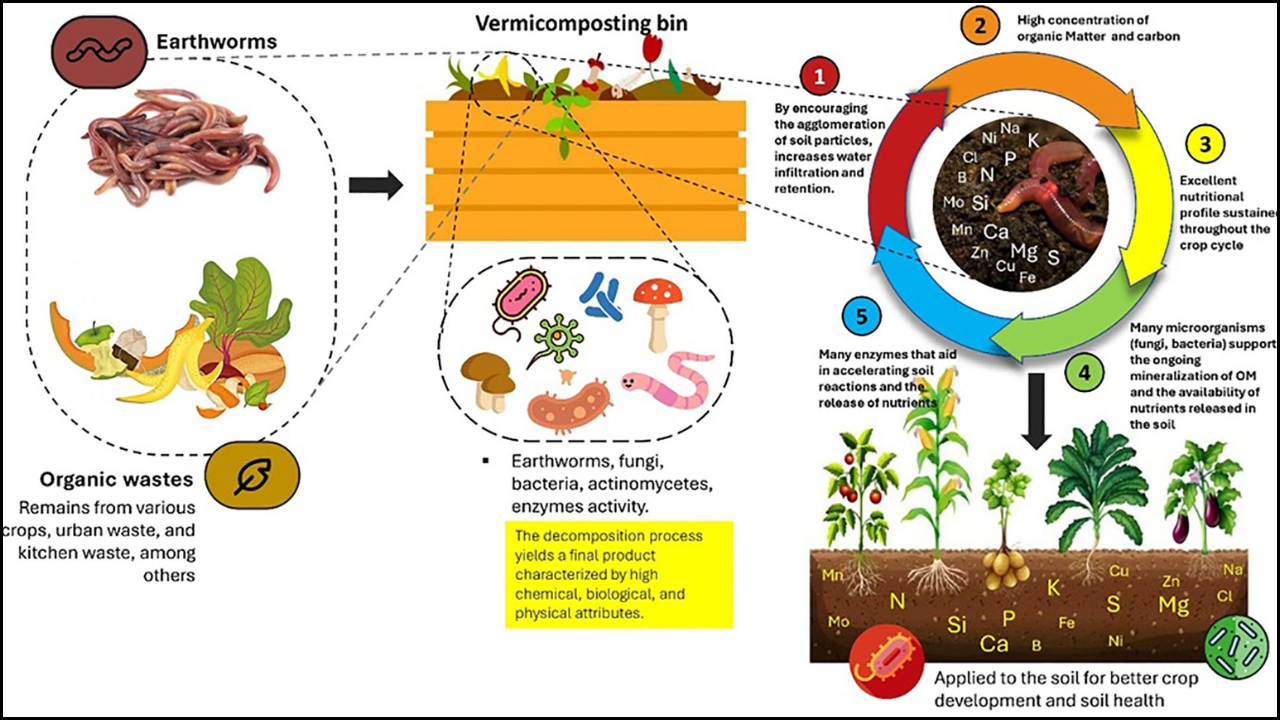
Integrating Organic and Inorganic Fertilizers for Sustainable Crop Yield: A Case Study

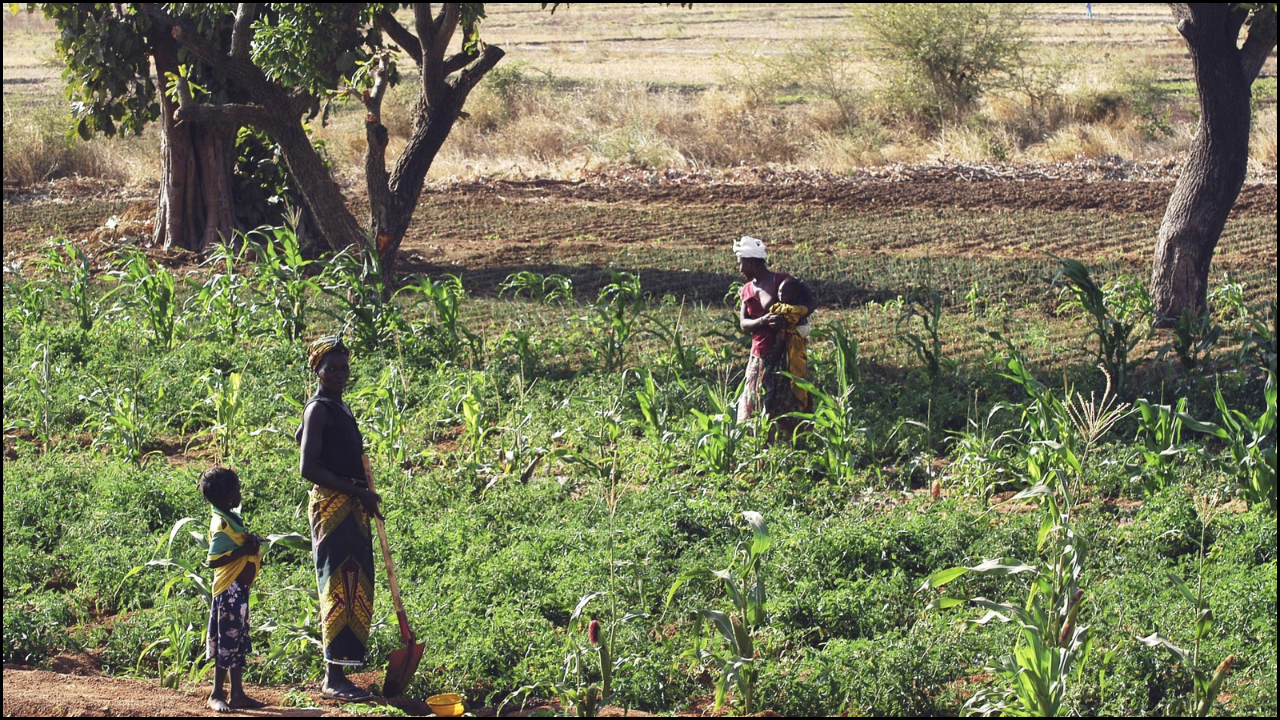
Adoption of Integrated Soil Fertility Management (ISFM) by Smallholder Farmers
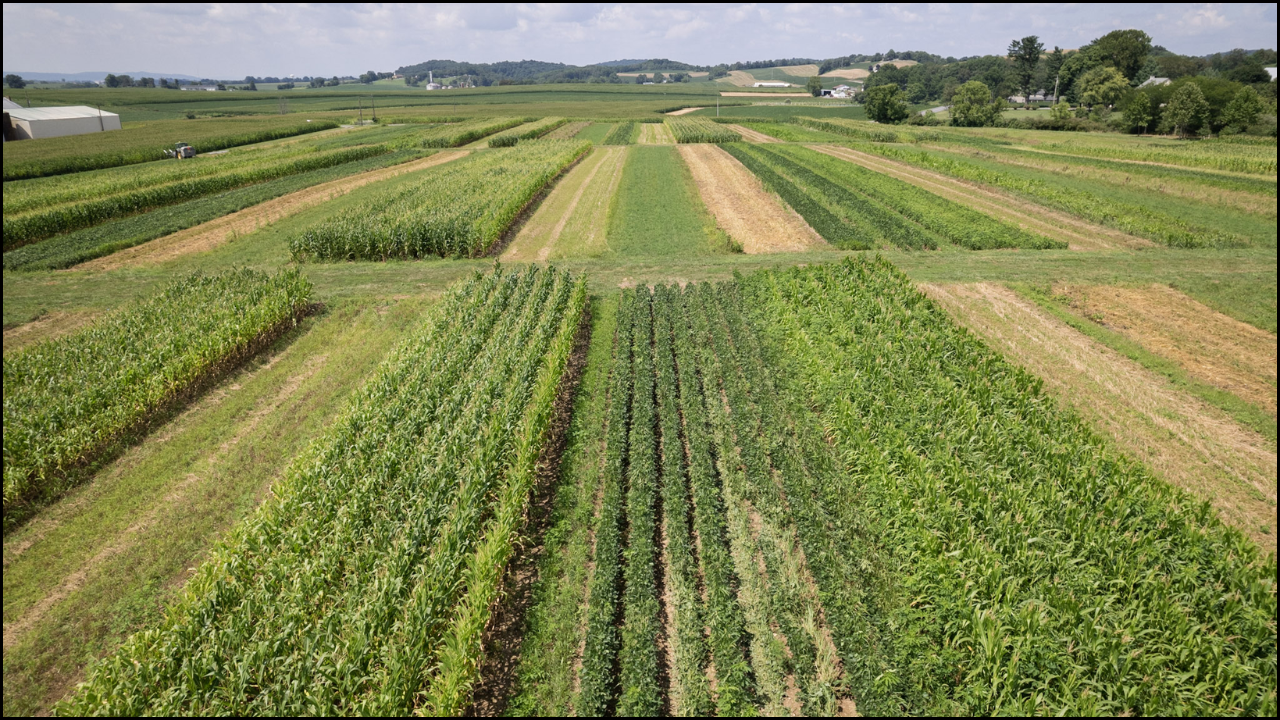
Crop Rotation, Legume Intercropping and Soil Fertility: How Crop Choices Shape Nutrient Cycles
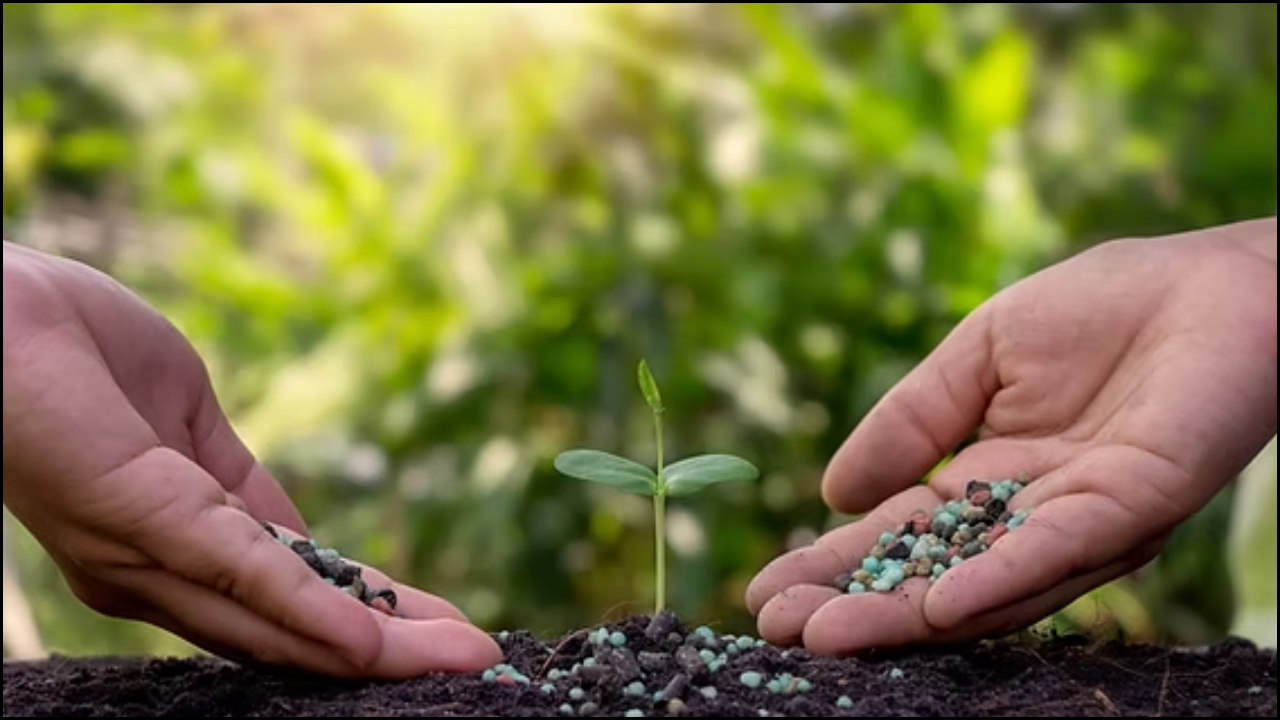
Fertilizer Use Efficiency: Reducing Input Costs While Maintaining Soil Health
Soil Fertility Decline and the Role of Conservation Practices in Crop Systems
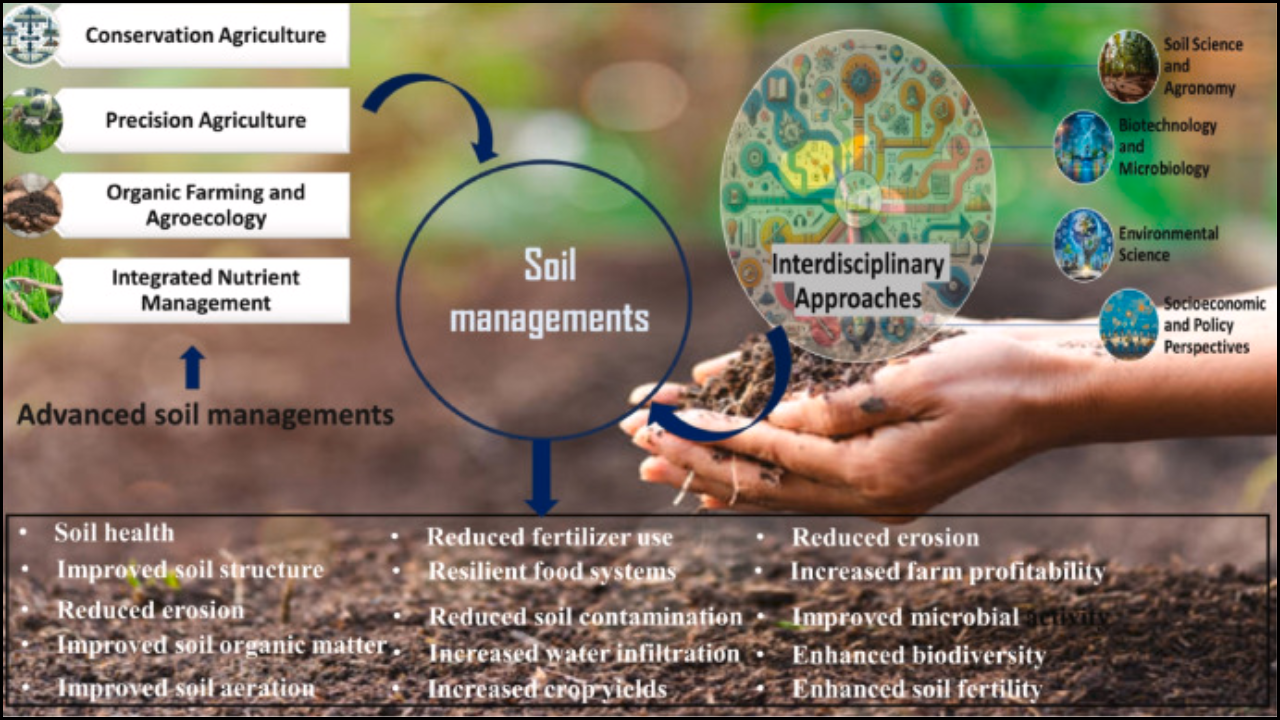
Assessing Crop Yield Variability in Response to Soil Fertility Management Under Climate Variability
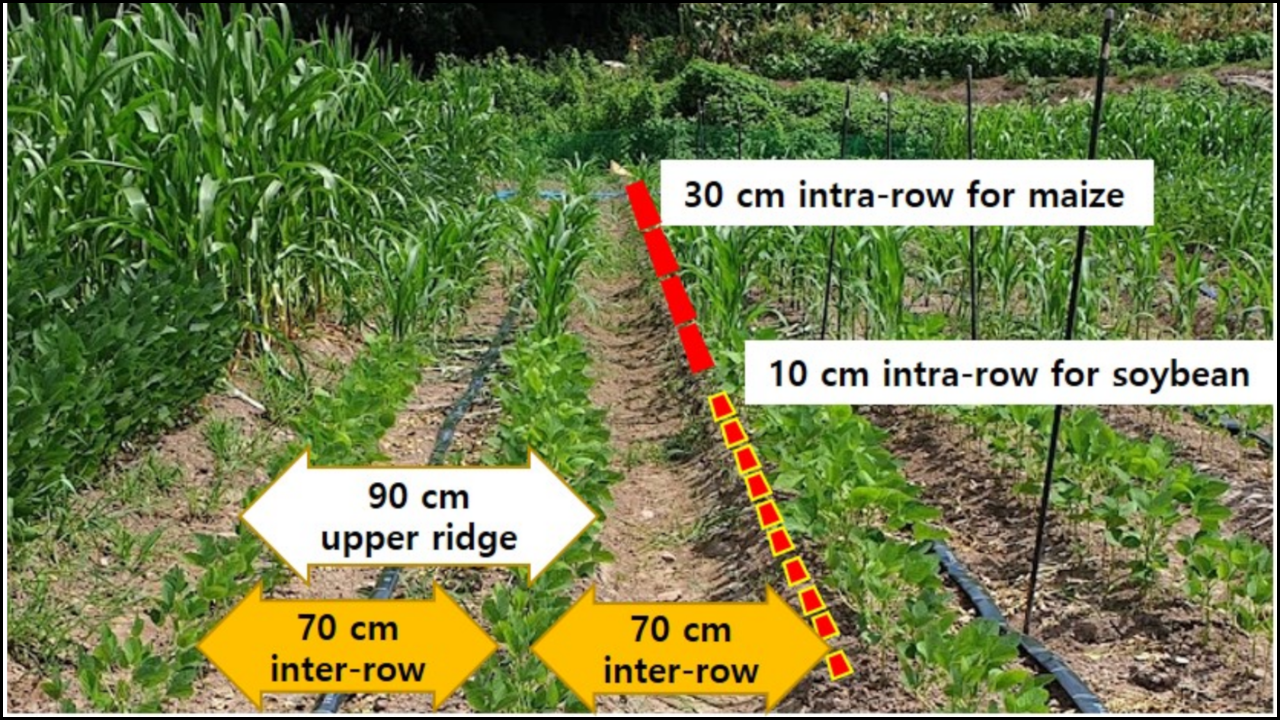
Influence of Planting Time on Soybean Productivity
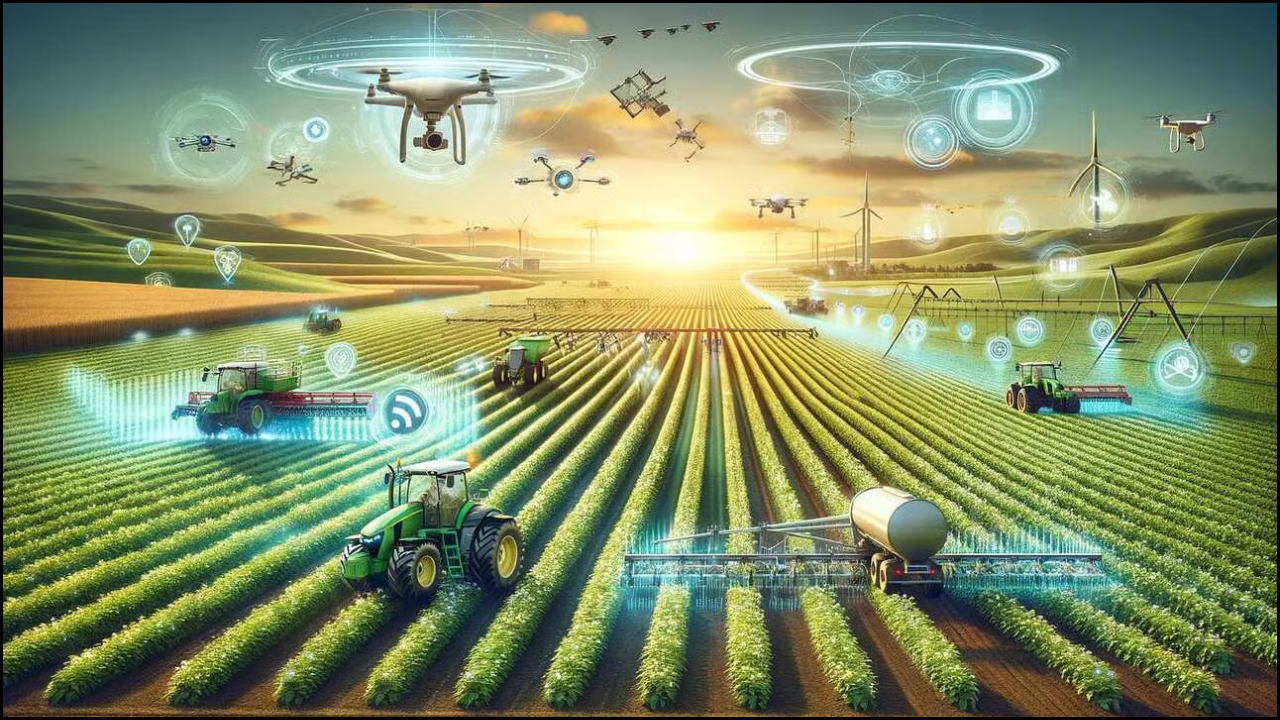
Advancements in Precision Agriculture for Field Crops
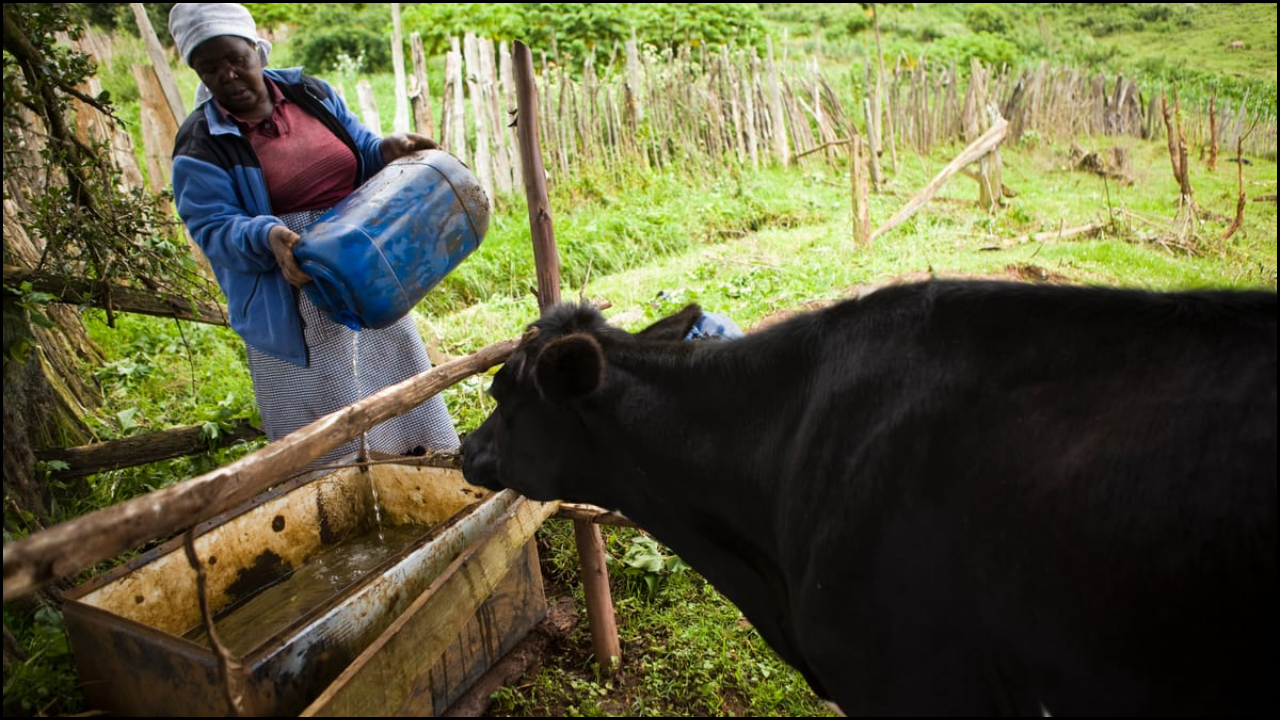
Assessment Of Crop-Livestock Integration Systems
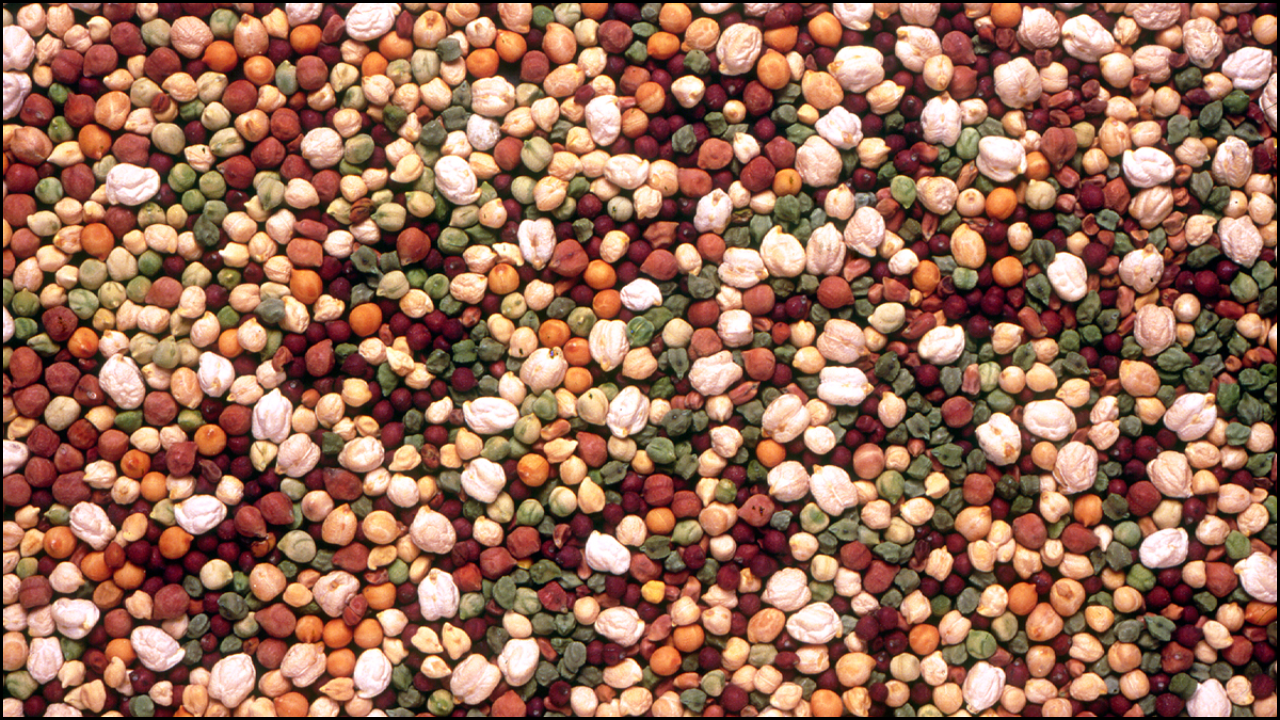
Genetic Diversity In Turkish Chickpea Varieties
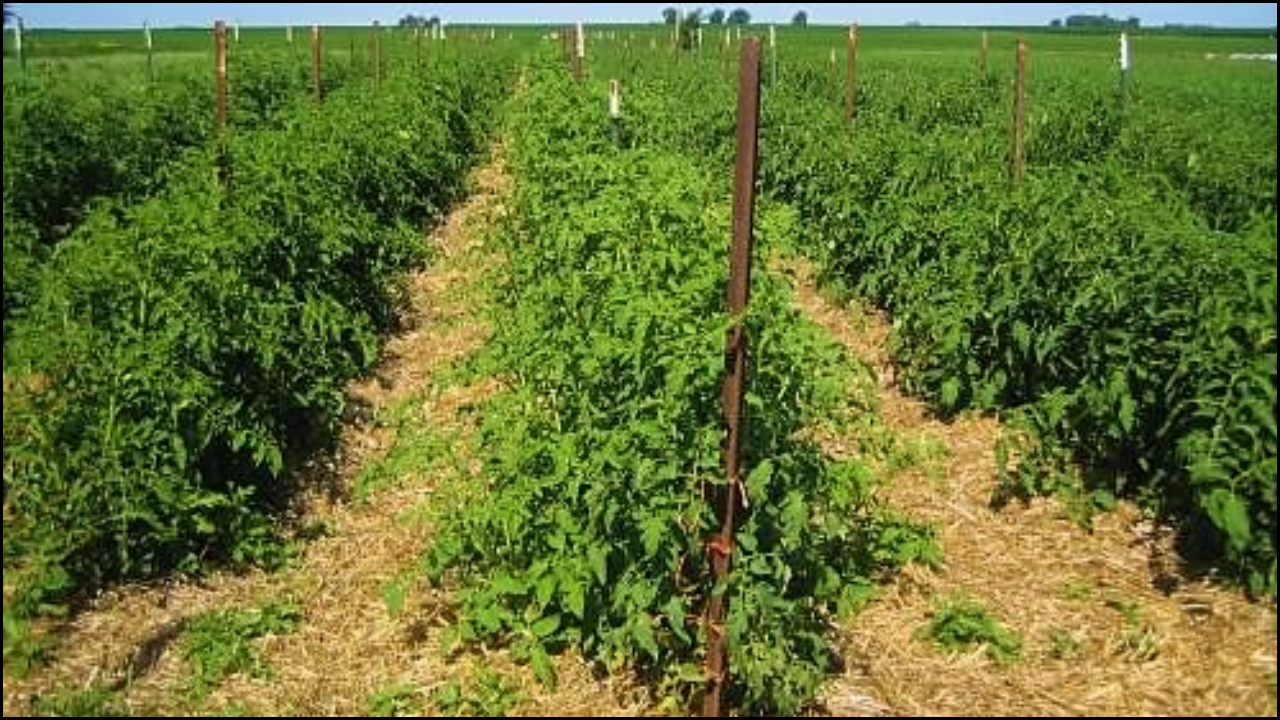
Role of Mulching in Weed Control and Soil Moisture Conservation